




Last Updated:
April 16th, 2026
Alcohol addiction: Signs, symptoms and side-effects
In the UK in 2023, there were over 10,000 deaths caused solely by alcohol, and more than a million alcohol-related hospital admissions in England alone. And yet, alcohol is the one drug that many of us still use on a regular basis. Alcohol is legal, cheap, and available everywhere in Britain, and sadly, alcohol addiction has been a huge public health concern for decades. If you are struggling with alcohol addiction, it can be hard to imagine life without drinking. But there are many people just like you who have successfully completed treatment and are now maintaining a sober life after rehab.
Defining alcohol addiction
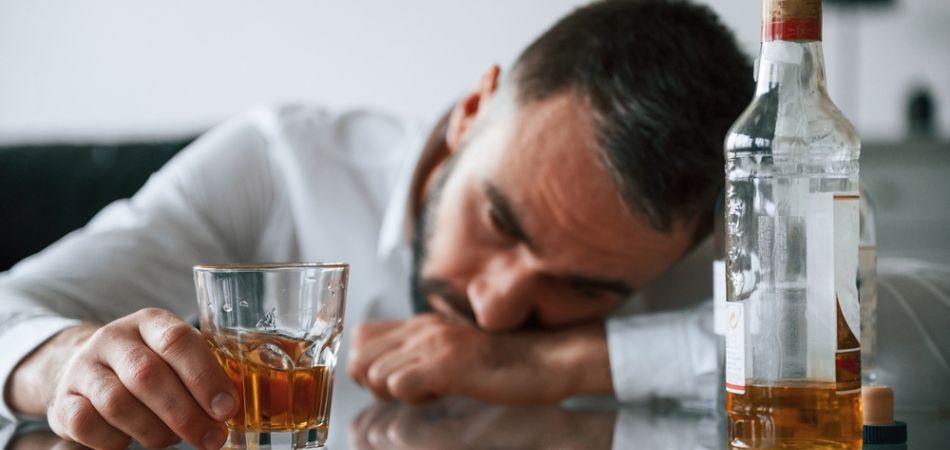
You may think that alcohol addiction is just about how much someone drinks, but this isn’t true. Alcohol addiction is when alcohol becomes something a person feels they cannot control their drinking, no matter the harm caused.
It is this loss of control that sets addiction apart from social or occasional drinking. Many people in the UK drink regularly, and some even drink a lot regularly, but alcohol addiction is when drinking becomes a need. This compulsion feels stronger than willpower alone.
It is hard to know for sure how many people are addicted to alcohol because many people don’t come forward for help. Alcohol addiction statistics show that 94,173 people began treatment in England in the year 2022-2023, but it is estimated that as many as 600,000 people may be alcohol dependent.
The stages of alcohol addiction
Alcohol addiction builds over time, moving through stages that gradually take more and more control over a person’s life. Understanding how these stages develop can help you recognise alcohol addiction signs early:
How to spot alcohol addiction signs
You may have a picture in your head of what someone with an alcohol addiction looks like or how they act. But being a “functioning alcoholic” is more common than you may think, with even close friends and family missing the red flags. If you are worried about your own drinking, or that someone you know is in addiction denial, here are some common alcohol addiction signs:
- You plan to only have a couple of drinks or go home early, but end up drinking more or for longer than planned.
- You crave alcohol at certain times of the day or when life feels overwhelming.
- Your tolerance has gone up, so it takes more to feel the effects.
- Without alcohol, you feel shaky, anxious, or unhappy.
- Drinking gets in the way of your work, studies, or family responsibilities.
- You drink in secret or lie about how much you’re drinking.
- Your health is starting to be affected by the amount of alcohol you are drinking.
- You have spotted these alcohol addiction signs, but still can’t stop.
Why is alcohol addictive?
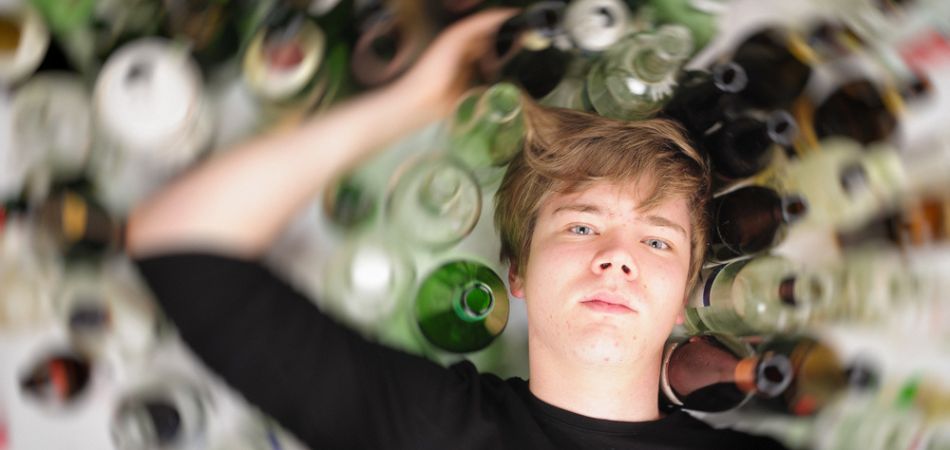
Alcohol addiction is usually the result of a combination of personal struggles, life circumstances, and the way alcohol is used to cope. Not everyone has all these causes, but understanding how they overlap helps show why it can be so hard to quit:
Alcohol side effects and addiction dangers
Alcohol addiction affects almost every system in the body, and the longer it continues, the more severe the damage becomes. Here are just some of the possible dangers:
Finding help if you have an alcohol addiction
Effective treatment for alcohol addiction should always begin with a medical alcohol detox. Stopping drinking suddenly can be dangerous, but a professionally planned detox can lessen the impacts of serious alcohol withdrawal symptoms.
Alcohol rehab then follows, which helps you put the pieces back together. Rehab provides different types of therapy to make sense of the stress, habits, and personal issues that kept you drinking, so you can make positive changes.
After rehab, ongoing support may include relapse prevention planning, aftercare sessions, alumni services, sober-living arrangements, and local support groups, such as AA meetings.
If you want to know more about alcohol addiction or need help choosing a rehab centre, please contact us today. Recovery.org has helped thousands of people find the right treatment path, and we are here to help you, too.
Frequently Asked Questions
(Click here to see works cited)
- Office for National Statistics. Alcohol-Related Deaths in the United Kingdom: Registered in 2023. ONS, 2024, https://www.ons.gov.uk/peoplepopulationandcommunity/healthandsocialcare/causesofdeath/bulletins/alcoholrelateddeathsintheunitedkingdom/registeredin2023.
- UK Health Security Agency. Alcohol Profile: Short Statistical Commentary, February 2025. GOV.UK, 2025, https://www.gov.uk/government/statistics/alcohol-profile-february-2025-update/alcohol-profile-short-statistical-commentary-february-2025.
- UK Government Department of Health and Social Care. Adult Substance Misuse Treatment Statistics 2023 to 2024 Report. GOV.UK, 2024, https://www.gov.uk/government/statistics/substance-misuse-treatment-for-adults-statistics-2023-to-2024/adult-substance-misuse-treatment-statistics-2023-to-2024-report.
- Alcohol Change UK. Alcohol Statistics. Alcohol Change UK, 2024, https://alcoholchange.org.uk/alcohol-facts/fact-sheets/alcohol-statistics.