



Last Updated:
January 29th, 2026
Amphetamine addiction: Signs, symptoms and side-effects
Some big-name UK celebrities have opened up about their ADHD diagnoses and the medicines they take, including Ant McPartlin and Johnny Vegas. While this has helped to educate people about the condition, amphetamine addiction and abuse have become a growing concern in Britain. When you are struggling with any stimulant addiction, it can be hard to admit it to yourself, let alone to anyone else. But learning more about the symptoms, signs, and treatment options is the first step toward taking your life back.
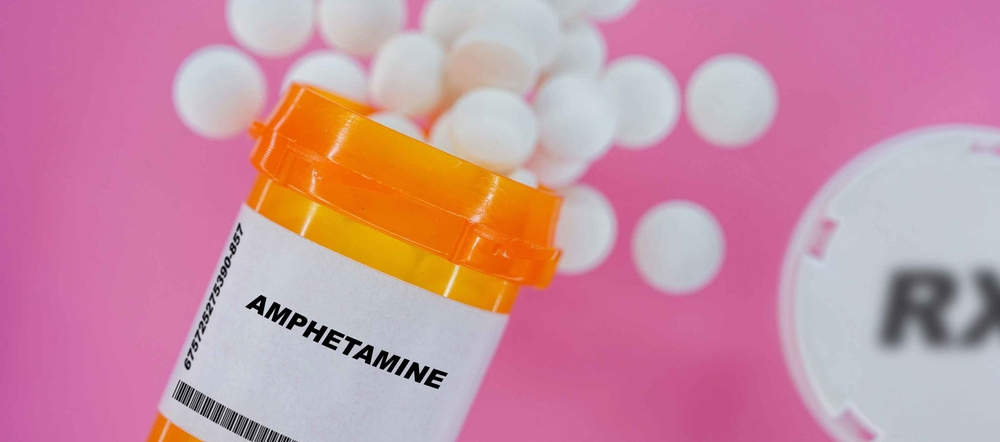
Defining amphetamine addiction
Amphetamines are stimulant drugs that speed up how the brain and body work. Amphetamine addiction is a type of prescription drug addiction, where you have lost control over your amphetamine use, and keep taking them even though the harm is obvious.
Amphetamines are most often prescribed to treat ADHD or sleep disorders like narcolepsy, but amphetamine abuse and misuse have become increasingly common. This can mean medical amphetamine use that gradually gets out of control, or taking the drugs recreationally for weight loss, athletic performance, or focus at school or work.
Part of the issue is that amphetamines have become so easily available. In just the last eight years, the number of patients prescribed central nervous system (CNS) stimulants and ADHD amphetamine medicines has more than doubled to roughly 233,000 people each year. Amphetamines can also be found all over the internet and are being sold as street drugs, making them easy to buy, abuse, and become addicted to.
Some of the most addictive amphetamines seen in Britain and around the world include:
The stages of amphetamine addiction
No one wakes up one morning addicted to amphetamines. It is a slow slide that starts with a genuine prescription or “minor” amphetamine misuse, but ends with a life that feels completely taken over. Understanding how it develops can help you see where you are on the path and why getting help now can stop things from getting worse:
How to spot amphetamine addiction signs
It is easy to tell yourself that you’re just using amphetamines because you need them or that things aren’t as bad as they seem. This is called addiction denial, and it’s one of the biggest barriers to getting help. If you are beginning to have concerns about yourself or someone you know, here are some of the most common amphetamine addiction signs to look for:
- Taking more than your prescribed dose or running out of amphetamines early
- Needing amphetamines to start your day or cope with stress
- Feeling agitated, depressed, or confused when you don’t take amphetamines
- Going without sleep, then crashing for days
- Neglecting your relationships, work, or studies
- Hiding or downplaying your amphetamine use when people ask
Why is amphetamine addictive?
Amphetamine addiction usually starts with the medicine being used to fix or cope with some issue or issues under the surface. Everyone has their own personal story, but some of the biggest causes of amphetamine addiction include:
- Stress and pressure: Many people become addicted to amphetamines when trying to keep up with long hours at work, school deadlines, or expectations they feel like they can’t meet alone.
- Social influence: In workplaces, universities, or social circles where amphetamine abuse is common, it’s easy to start doing it yourself and become addicted before you realise it.
- ADHD and addiction: For people with ADHD, prescribed stimulants can genuinely help, but misuse or rising doses can quickly cross into amphetamine addiction.
- Amphetamine addiction and mental health issues: Anxiety, depression, or past trauma can all feed amphetamine abuse, with co-occurring issues affecting the majority of people in prescription drug rehab.
- Genetics: Some people are just more likely to develop a drug or alcohol addiction because of inherited differences in how their brains work.
Amphetamine side effects and addiction dangers
Amphetamine addiction can damage every part of life, including your work, education, relationships, and future prospects. But the health effects can be particularly severe and sometimes even life-threatening, with some of the biggest dangers including:
- Amphetamine overdose: Taking too much or mixing amphetamines with alcohol or other drugs can cause a racing heart, high blood pressure, fits, or even stop your heart. Without medical help, an amphetamine overdose can be fatal, and there were 111 amphetamine-related deaths in 2023.
- Heart strain: Long-term amphetamine misuse can lead to an increased risk of fatal heart attacks or strokes.
- Mental health: Many people develop anxiety, paranoia, or depression that can last long after stopping.
- Sleep loss: Amphetamines can make you stay awake for days, which can seriously harm your physical and mental health.
- Skin and teeth problems: Sores and tooth decay are both common with heavy amphetamine abuse.

Finding help if you have an amphetamine addiction
When you are choosing an addiction treatment centre, look for one that offers a safe amphetamine detox, where your body can rest and recover under professional care.
After detox, a full amphetamine rehab therapy programme is then needed to give you the chance to understand how amphetamines took over. You will look at the patterns, the stress, and the feelings that kept you stuck, and work out how to handle all of that without amphetamines.
The best rehab programmes will offer both of those stages as one inpatient plan with no gaps between them. They should also provide ongoing advice and support, which may include outpatient group therapy, relapse prevention planning, help finding local NA meetings, and alumni resources and events.
If you need help choosing a rehab programme or centre, Recovery.org is here for you. Contact us today, and we can match you with some of the UK’s top amphetamine addiction recovery options.
Frequently Asked Questions
(Click here to see works cited)
- Statista. Drug Poisoning Deaths by Amphetamine in England and Wales from 1993 to 2023. Statista, 2024, https://www.statista.com/statistics/470819/drug-poisoning-deaths-by-amphetamine-in-england-and-wales/?srsltid=AfmBOoq3SDcuzMzGSFsyhU6iT3QttB1ayyGVUq3CUHTJe7TZrk0sBj6o.
- The Pharmaceutical Journal. “Special Report: Charting the Rise in ADHD Prescribing.” The Pharmaceutical Journal, Royal Pharmaceutical Society, 2024, https://pharmaceutical-journal.com/article/feature/special-report-charting-the-rise-in-adhd-prescribing.