



Last Updated:
January 30th, 2026
Ketamine addiction: Signs, symptoms and side-effects
In 2023–24, 3,609 people in England and Wales entered treatment for ketamine misuse, eight times more than in 2014–15. That number alone tells you something serious has changed, and that what was once seen as a fringe “club drug” has grown into something far more dangerous. Ketamine is everywhere now, and many people don’t realise how quickly they can fall into the trap of addiction. Ketamine addiction affects not only you but also the people you love, causing huge problems to your health and tearing apart your relationships. The good news is that there are fantastic ketamine rehab options across Britain that can help repair the damage.
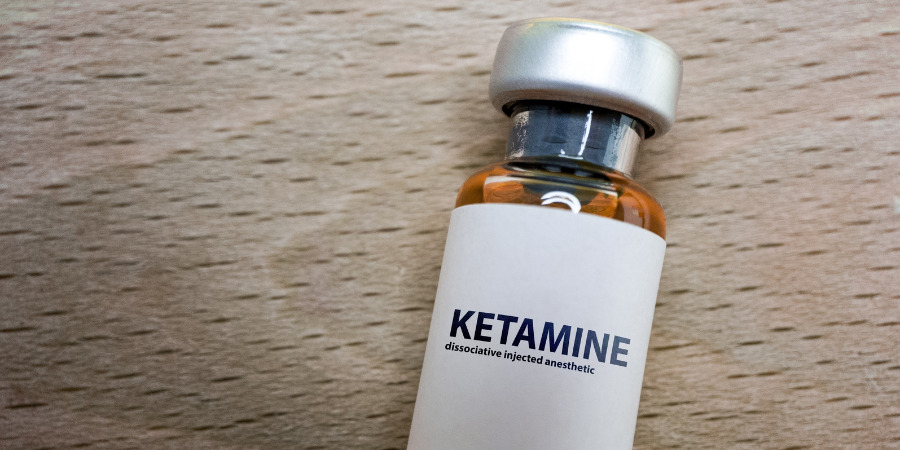
Defining ketamine addiction
Ketamine addiction means you have reached a point where stopping feels impossible, even when you want to. This shift can happen much quicker than you can imagine, and many people who thought they were in control suddenly find their lives being ruined by ketamine drug addiction.
The number of adults in treatment for ketamine addiction rose to 2.3% in 2023–24, compared with 1.6% in the previous year. Ketamine addiction statistics show that children and young people are at particular risk, with the number entering treatment that same year reaching 1,201, more than double the total just two years earlier.
If you are struggling with ketamine addiction, the important thing to remember is that it’s not your fault. It is a recognised illness just like any other, and there is effective treatment available.
The stages of ketamine addiction
Most people start using ketamine on the weekend at parties, clubs or with their friends. Not everyone who does this will end up becoming addicted, but those who do usually pass through three stages:
1. Ketamine abuse
This is the “early harm” stage, when you are still telling yourself ketamine is just for a night out or to switch off, but you’re using more often, in bigger amounts, or mixing with other drugs or alcohol. It is also when the problems begin, like arguments at home, early health issues, vague memory gaps and risky choices you wouldn’t make sober.
2. Ketamine dependence
This is a physical change inside you where your brain begins to expect ketamine to be present all the time. Ketamine is unique among hallucinogenic drugs, as most others don’t produce physical dependence. At this point, if you haven’t taken ketamine for a while, withdrawal symptoms and cravings hit. This is when you stop using ketamine for fun or to relax, and start using it to prevent withdrawal or get through daily life.
3. Ketamine addiction
As explained above, this is when you can’t stop taking ketamine no matter what it is doing to your health, finances, job, education, and relationships. But even if you are already at that point, recovery is still possible, especially if you begin drug detox and rehab now.
How to spot ketamine addiction signs
Ketamine addiction doesn’t always look obvious, and many people continue to live outwardly happy, productive lives. Others may be visibly struggling, but are in ketamine addiction denial, and can’t admit they need help. If you are starting to worry about yourself or someone close to you, look out for these ketamine addiction signs:
- You forget conversations, nights out, or whole weekends after using ketamine.
- You feel numb or detached, like you’re watching your life from the outside.
- Your bladder hurts, or you need the toilet far more often than before.
- You mix ketamine with alcohol or pills to stretch the high.
- You are spending money meant for bills, food, or rent on ketamine.
- Your friends or family say you’ve changed.
- Work, school or home life are starting to fall apart because you can’t focus.
- You try to stop, but within days, the emptiness and cravings pull you back to ketamine.
It is easy to miss these patterns when you’re in them, but seeing them for what they are is often the first step toward getting help.
Why is ketamine addictive?
Ketamine blocks NMDA receptors, which disrupts how your brain processes pain, mood and memory. The short, dissociative “switch-off” can feel pleasurable or provide relief from worries or stress, but it fades fast, creating a powerful urge to use ketamine again.
But these chemical causes aren’t the whole story. For most people, ketamine addiction sticks because of something deeper:
Ketamine side effects and addiction dangers
Ketamine dulls pain and disconnects you from your body, and this can sometimes hide just how much harm it is causing. But the dangers of ketamine can be incredibly serious:
- “K-hole”: A completely dissociated state where sound, sight, and time lose all meaning.
- Nausea, vomiting, and dizziness
- Confusion, slurred speech, or loss of coordination
- Visual and auditory hallucinations
- Dangerous accidents or injuries while detached from reality
- Severe anxiety, paranoia, or panic during comedowns
- Ketamine bladder syndrome: A painful inflammation that can lead to permanent bladder damage or even the need for surgical removal
- Kidney damage
- Stomach pain, liver problems, incontinence and internal bleeding
- Memory loss, confusion, and poor concentration
- Persistent depression or emotional numbness
- Damaged relationships
- Problems at work and school
- Legal issues: Ketamine is currently a Class B drug, but the government is considering reclassifying it to Class A.
Finding help for ketamine addiction
Recovering from ketamine addiction starts with getting the drug safely out of your system, through ketamine detox. While it can be tempting to do this on your own at home, a medical drug detox at a professional recovery centre is far safer and more likely to be effective long-term.
After detox, ketamine rehab then helps you get to the bottom of why you keep going back. By taking part in different types of drug rehab therapy, you can talk through the stress, pressure, and pain that’s been buried underneath, so you don’t need ketamine to cope.
Once rehab is done, ongoing support is crucial to protect your progress. Many people benefit from aftercare counselling, ketamine relapse prevention planning, and local support like 12-step and NA meetings.
If you’re ready to stop using ketamine and need help choosing a rehab, Recovery.org can be your guide. We can connect you with trusted rehab centres across Britain that offer every stage of effective treatment. Contact us today, and we can help you build a whole new life.
Frequently Asked Questions
(Click here to see works cited)
- Office for National Statistics. Drug Misuse in England and Wales: Year Ending March 2024. ONS, 2024, https://www.ons.gov.uk/peoplepopulationandcommunity/crimeandjustice/articles/drugmisuseinenglandandwales/yearendingmarch2024
- UK Government Department of Health and Social Care. Adult Substance Misuse Treatment Statistics 2023 to 2024 Report. GOV.UK, 2024, https://www.gov.uk/government/statistics/substance-misuse-treatment-for-adults-statistics-2023-to-2024/adult-substance-misuse-treatment-statistics-2023-to-2024-report
- UK Government Department of Health and Social Care. Children and Young People’s Substance Misuse Treatment Statistics 2023 to 2024 Report. GOV.UK, 2024, https://www.gov.uk/government/statistics/substance-misuse-treatment-for-young-people-2023-to-2024/children-and-young-peoples-substance-misuse-treatment-statistics-2023-to-2024-report
- NHS. Ketamine. NHS, 2024, https://www.nhs.uk/live-well/addiction-support/ketamine/