



Last Updated:
January 30th, 2026
Prescription drug addiction
Prescription drug addiction has long been a public health crisis in Britain. Opioids were involved in 47% of all drug poisoning deaths registered in England and Wales in 2024, while benzodiazepines produce the most dangerous withdrawal symptoms of any substance. Sleeping pills, stimulants, and antidepressants all have high prescription rates, and many people who would never touch illegal drugs find themselves dependent on medication their doctor gave them. Understanding what prescription drug addiction is and what help looks like is crucial for getting effective treatment and support.
What is prescription drug addiction?
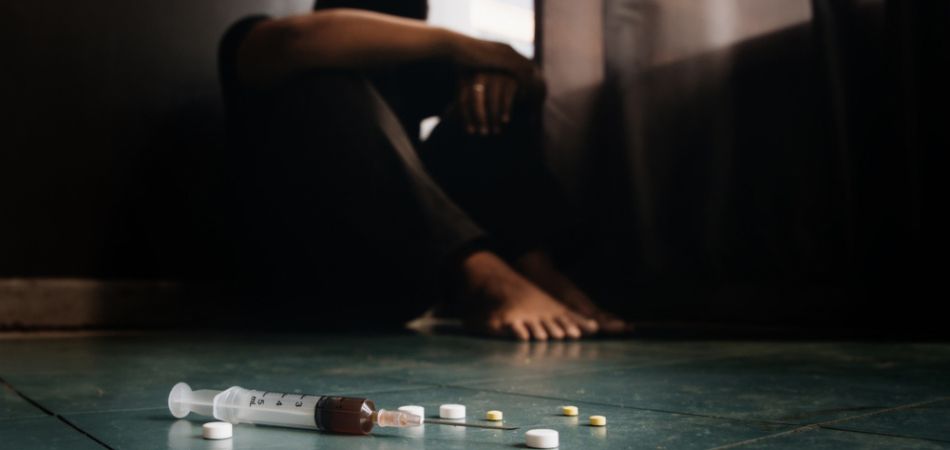
Prescription drug addiction is when you can’t stop taking medication even after the original medical need has passed, or when it is not harming rather than helping you.
Most prescription pill addiction begins entirely innocently. You may be given medication that works at first, but when tolerance develops, you take a little more. This doesn’t seem problematic at first, but before long, you may start taking far more than anyone intended.
What happens then is that your body and brain expect the drugs to be there, and stopping triggers withdrawal symptoms that drive you back to using. The line between appropriate use and prescription drug addiction misuse is crossed gradually. Taking an extra pill during a bad day may not feel like “real” drug abuse, and finishing your prescription a few days early may not even worry your doctor at first. The problem is that each step normalises the next one, until the medication completely controls your life.
Prescription drugs with a high risk of addiction
Not all prescription medications carry equal addiction risk, but several categories are particularly problematic:
Opioid addiction
This develops from opioid painkillers, which provide powerful pain relief but create intense physical dependency. Many people prescribed opioids for short-term pain find themselves trapped in long-term addiction, including: Codeine addiction, Tramadol addiction, Morphine addiction, Fentanyl addiction, OxyContin addiction, Methadone addiction
Benzodiazepine addiction
This stems from anti-anxiety medications, which are prescribed for anxiety, sleep, or panic disorders, but can be very addictive. Benzodiazepine withdrawal can be dangerous and always requires medical supervision. Some of the most common addictions to benzos include: Valium addiction, Xanax addiction, Ativan addiction, Clonazepam addiction
Sleeping pill addiction
Also sometimes called “sedative addiction, this involves very sleeping pills which are first taken for insomnia, but can become a nightly and eventually daily necessity. It includes: Zopiclone addiction , Zolpidem addiction, Zaleplone addiction
Antidepressant addiction
This can look a little different from other types of drug addiction, but it often creates a strong physical dependence. Stopping suddenly can cause antidepressant discontinuation syndrome with symptoms including dizziness, flu-like feelings, rebound depression, and electrical sensations in the brain, known as “brain zaps”.
Antidepressant addiction
Stimulant addiction
This is an addiction to ADHD medications, which can develop both in people taking them for a real medical condition and in people who are misusing them. Both groups may experience: Ritalin addiction, Adderall addiction, Dexmethylphenidate addiction
What are the signs of prescription drug addiction?
Prescription drug addiction symptoms can be subtle at first, especially when you have a real medical need. However, there are some prescription drug addiction symptoms that can show you when you’re in addiction denial:
- Preoccupation with your next dose
- Anxiety when supplies run low
- Irritability if you can’t take medication on schedule
- Insisting you need the medication, even when that problem has long since resolved
- Running out of prescriptions early
- Visiting multiple doctors for the same medication
- Becoming secretive about your pill use
- Continuing to take the medication even though the problems are clear and getting worse
It is important that these signs are taken seriously because prescription drug addiction can take a dangerous turn incredibly quickly.
What are the dangers and side effects of prescription drug addiction?
The longer prescription drug addiction continues, the more damage it does. Prescription drug addiction side effects vary substance to substance, but some of the biggest risks include:
- Prescription drug addiction overdose, particularly with opioids and benzodiazepines, or when combining medications with alcohol.
- Impaired thinking and coordination, leading to accidents
- Co-occurring prescription drug addiction and mental health problems
- Organ damage
- Disrupted hormones
- Suppressed immune system
- Slowed or stopped breathing
- Increased risk of heart attacks and strokes
- Blood pressure and heart rate dangers
- Increased risk of dementia and other cognitive dangers
- Personal, financial, legal, and educational issues
Treatment and support options for prescription drug addiction
Catching prescription drug addiction early makes recovery significantly easier. Acting early gives you a chance to reverse what could become irreversible harm, reduces your risk of a prescription drug addiction overdose, and helps you begin repairing relationships. You should look for comprehensive prescription drug rehab programmes that offer:
How long you will need depends on the medication involved and how far the dependency has progressed, but you should be able to find everything from a 10-day package to a 28-day package to a full 90-day package.
Relapse prevention planning is especially important in rehab for prescription drugs because the medication remains legally available and may even be offered again by well-meaning doctors.

How to prevent a prescription drug addiction?
Preventing prescription drug addiction starts with awareness. Ask your doctor about addiction potential before starting any new medication. Take your prescriptions exactly as directed, and never increase doses or frequency without telling your doctor first. Always be honest with healthcare providers about any history of substance problems in yourself or your family. If medication stops being effective, talk to your doctor rather than taking more.
Finding help for prescription drug addiction
If you’re worried about your relationship with prescription medication, help is available. Recovery.org can guide you toward the best programmes and centres and help you understand all the options open to you. Reach out to us and we will be happy to help.
Frequently Asked Questions
(Click here to see works cited)
- Curtis, Helen J., et al. “Opioid Prescribing Trends and Geographical Variation in England, 1998–2018: A Retrospective Database Study.” The Lancet Psychiatry, vol. 6, no. 2, Feb. 2019, pp. 140–50, doi.org/10.1016/S2215-0366(18)30471-1.
- Office for National Statistics. “Deaths Related to Drug Poisoning in England and Wales: 2024 Registrations.” ONS, 17 Oct. 2025, www.ons.gov.uk/peoplepopulationandcommunity/birthsdeathsandmarriages/deaths/bulletins/deathsrelatedtodrugpoisoninginenglandandwales/2024registrations.
- Public Health England. “Dependence and Withdrawal Associated with Some Prescribed Medicines: An Evidence Review.” GOV.UK, 10 Sept. 2019, www.gov.uk/government/publications/prescribed-medicines-review-report.