




Last Updated:
January 30th, 2026
Oxycodone addiction: Signs, symptoms and side-effects
Oxycodone is a powerful opioid prescribed for severe pain and is often associated with the North American Opioid Crisis. While Britain hasn’t seen the same scale of devastation, many people here struggle with oxycodone addiction. As strong as morphine, it can quickly create physical and psychological dependence. Whether taken illegally or on prescription, extreme caution is needed to avoid addiction or overdose.
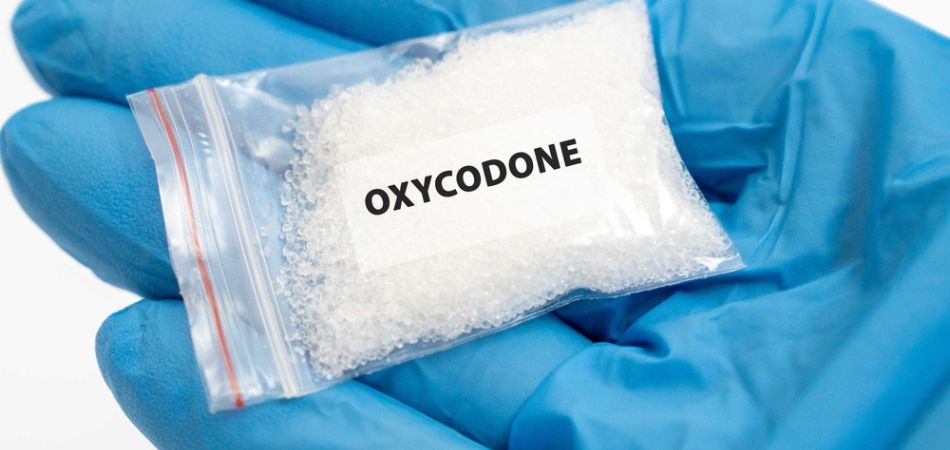
What is oxycodone addiction?
Oxycodone addiction is a compulsive pattern of drug use that you can’t stop, no matter what is happening to you. One of the biggest dangers with oxycodone is how easily prescription use can become addiction. It is usually prescribed after surgery, for an injury, or for ongoing pain, and taking it exactly as directed can really work. But oxycodone has the same effects as morphine in your body, and the powerful high is a major reason for oxycodone abuse.
There are various ways to abuse oxycodone, such as:
- Taking more than you were prescribed
- Taking it without a prescription
- Crushing, injecting or snorting OxyContin, the time-release version, so you feel the effects straight away
- Taking oxycodone when you don’t have any pain
Oxycodone abuse saturates your systems, creating a physical oxycodone dependence that can develop in a matter of weeks or even days. Oxycodone withdrawal can be brutal, with drenching sweats, vomiting, diarrhoea, bone-deep pain, crushing anxiety, and relentless cravings. Oxycodone abuse then becomes mostly about avoiding these symptoms, even if you don’t realise that’s what is happening.
When a proper oxycodone addiction advances, as well as being physically dependent, you become reliant on oxycodone for everything from stress to sleeping properly at night. Getting more, hiding your use, and never running become all you think about, and no matter how high your problems pile up, you cannot stop.
Recognising oxycodone addiction signs
As oxycodone usually comes from the GP, many people struggle to realise they have become addicted. Even if you started using without a prescription, you can still be in addiction denial, refusing to admit how bad things have got. But recognising oxycodone addiction signs early is crucial, because things can go from bad to worse frighteningly quickly:
- Finding GPs who prescribe more readily or online pharmacies with no checks
- Misusing OxyContin tablets to bypass their time-release design (very common in the development of OxyContin addiction)
- Spending money you don’t have to buy oxycodone
- Lying to family, friends, or your GP about what is going on
- Trying to stop or cut down but failing repeatedly
- Continuing oxycodone abuse despite obvious harm
Why is oxycodone addictive?
The physical part of every form of opioid addiction comes from the drugs’ effects. Oxycodone latches onto the brain and spinal cord’s opioid receptors and produces pain relief and a euphoric high by triggering a huge surge of dopamine. This feels great, and if you keep taking oxycodone, your brain assumes you always will. It then stops making any of your own painkillers, so if oxycodone use ends, your brain goes into crisis.
But physical dependence will only become a full drug addiction when there are other factors involved. Everyone has their own mix, but they may include:
When a proper oxycodone addiction advances, as well as being physically dependent, you become reliant on oxycodone for everything from stress to sleeping properly at night. Getting more, hiding your use, and never running become all you think about, and no matter how high your problems pile up, you cannot stop.
Oxycodone side effects and addiction dangers
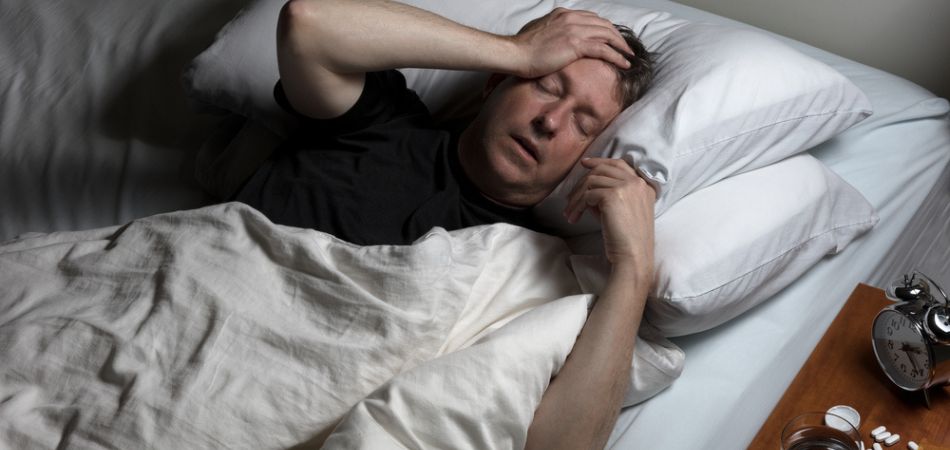
Oxycodone carries serious risks that only intensify the more you use and the longer you go without getting help:
Oxycodone overdose symptoms include unconsciousness or sleepiness, blue fingernails and lips, and breathing problems. Get emergency medical help immediately if you see any of these.
What does oxycodone addiction recovery involve?
Oxycodone addiction recovery requires experienced medical support as withdrawal is severe, relapse risk is high, and attempting it alone usually fails. Treatment happens in three phases for the best results:
1. Prescription drug detox
A professionally planned and monitored drug detox manages oxycodone withdrawal safely. Key features include:
- Tapering your dose under medical supervision
- Transitioning to buprenorphine or methadone
- Withdrawal symptom support
2. Opioid rehab
Inpatient drug rehab looks at the non-physical part of oxycodone addiction. Look for oxycodone rehab programmes that offer:
- A wide range of evidence-based therapies
- Residential care
- Holistic treatment options
- Both group therapy and individual counselling
- Relapse prevention planning
- Aftercare and alumni services
3. Post-rehab steps
As well as any ongoing services provided by your rehab centre, you can also:
- Continue medication-assisted treatment (MAT) if needed
- Seek further private therapy
- Join NA meetings or alternative local support groups
- Seek pain management support
- Regular counselling sessions
If you are struggling with oxycodone addiction, you don’t have to face it alone. The right support is crucial because home detox is dangerous, and without therapy, it is rarely effective. Contact us today, and let’s begin your recovery journey together.
Frequently Asked Questions
(Click here to see works cited)
- Centers for Disease Control and Prevention. “Understanding the Opioid Overdose Epidemic.” CDC, 2023,
https://www.cdc.gov/opioids/basics/epidemic.html - Medicines and Healthcare products Regulatory Agency. “Oxycodone: Risk of Addiction and Overdose.” GOV.UK, 2022, https://www.gov.uk/drug-safety-update/oxycodone-risk-of-addiction-and-overdose
- NHS. “Oxycodone.” NHS, 2023,
https://www.nhs.uk/medicines/oxycodone/ - Office for National Statistics. “Deaths Related to Drug Poisoning in England and Wales: 2023 Registrations.” ONS, 23 October 2024, https://www.ons.gov.uk/peoplepopulationandcommunity/birthsdeathsandmarriages/deaths/bulletins/deathsrelatedtodrugpoisoninginenglandandwales/2023registrations
- Talk to Frank. “Oxycodone.” Talk to Frank, 2024,
https://www.talktofrank.com/drug/oxycodone