



Last Updated:
January 30th, 2026
Dihydrocodeine addiction: signs, symptoms and side-effects
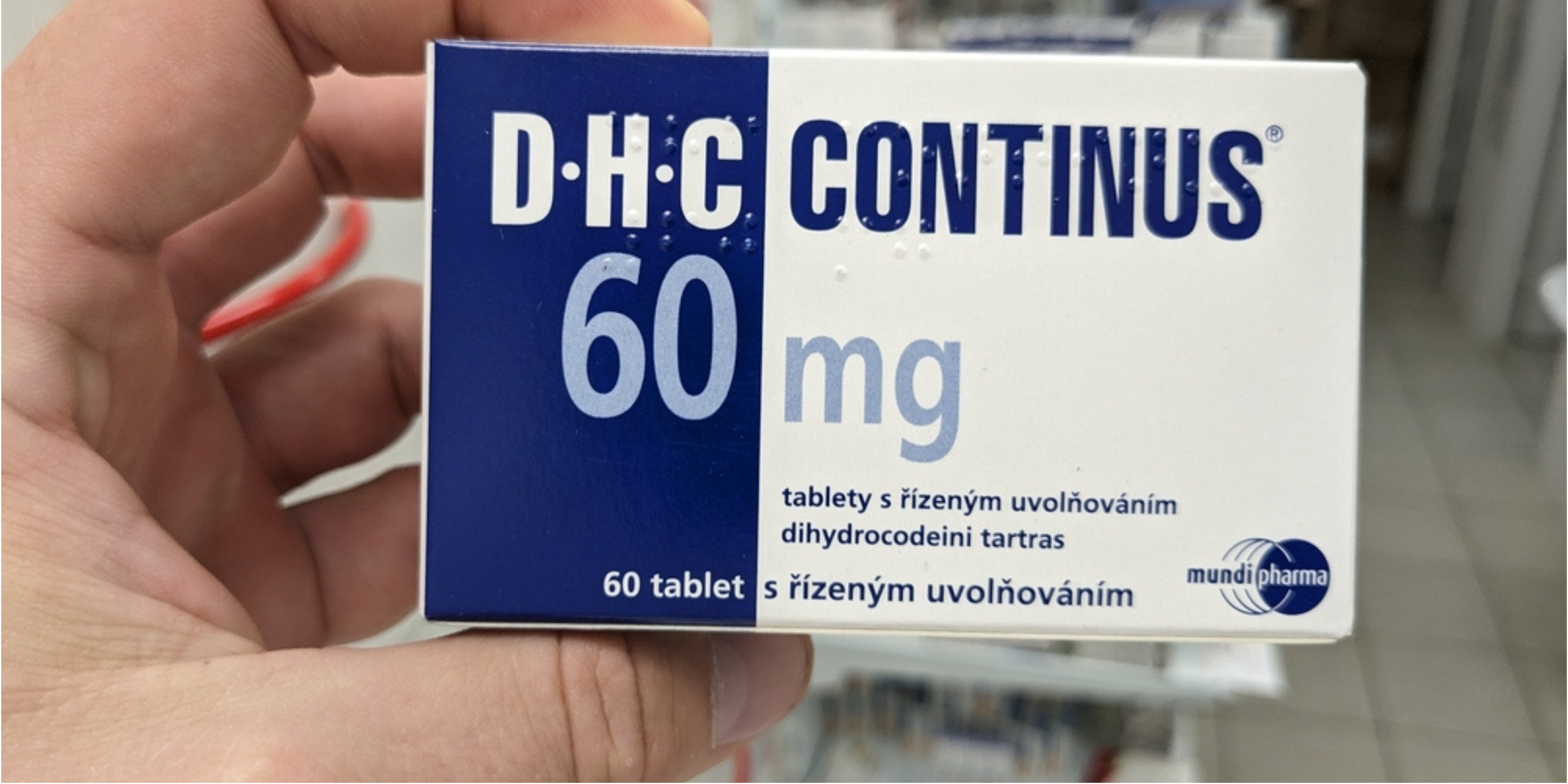
Dihydrocodeine is prescribed for moderate to severe pain, often as tablets like DHC Continus or in combination products such as co-dydramol. Dihydrocodeine is an opioid, which means strong pain relief potential, but also a real risk of addiction and overdose. Anyone prescribed dihydrocodeine or caring for someone taking it needs to know the dangers and signs of dihydrocodeine addiction and abuse.
What is dihydrocodeine addiction?
Dihydrocodeine addiction means losing control over how you use the medicine. At first, dihydrocodeine can take the edge off your pain, so you can feel comfortable and able to live a normal life again.
However, dihydrocodeine can also bring a deep calm that can feel increasingly hard to live without. When that feeling fades, it can be very tempting to use more, even if you’re not due another dose. Your body then quickly adjusts to this increased use, leading to dihydrocodeine dependence. This is when stopping or even trying to lower your dose too suddenly brings aching, sweating, restlessness and a low, crawling anxiety that only another tablet seems to fix.
After a while, you stop thinking about whether you need dihydrocodeine anymore and take it because it has become a compulsion or a crutch. It is this loss of all control and reliance that is the final step in the journey from dihydrocodeine abuse to prescription drug addiction.
How to spot dihydrocodeine addiction signs
Dihydrocodeine often starts as a genuine pain treatment, which makes the line between “treatment” and “problem” hard to see. Addiction denial can also be understandably strong when you are afraid of pain returning. These dihydrocodeine addiction signs can help you be straight with yourself:
- You take more dihydrocodeine than your prescription allows or top up between scheduled doses.
- You ask your GP for stronger or more frequent doses.
- You visit different clinics or A&E to describe pain and get extra dihydrocodeine.
- You crush modified-release tablets to get a faster hit.
- You feel unwell, anxious, or aching when you try to wait longer between doses.
- You hide packets, delete order histories, or lie about where all your dihydrocodeine has gone.
- You spend money you can’t spare to keep up your supply.
- You keep using despite all of these dihydrocodeine addiction signs.

What causes dihydrocodeine addiction?
Dihydrocodeine acts on opioid receptors, easing your pain and relaxing your mind and body. Your system then adjusts, so the same dose doesn’t do as much. That is when cravings grow and you develop a dihydrocodeine dependence. But the dihydrocodeine drug effects are not the whole reason for opioid addiction. It is also the pressures in your life, and other personal factors that trap you:
Dihydrocodeine side-effects and addiction dangers
Despite being seen as a “weaker” opioid by some people, dihydrocodeine carries serious risks, especially when misused or mixed with other substances. Some of the biggest dangers of dihydrocodeine misuse and addiction include:
Finding help for dihydrocodeine addiction
You may feel torn about asking for help, especially if you are scared of living with pain without dihydrocodeine. But dihydrocodeine addiction requires professional care both to break your dependence and to keep you safe while the drug is leaving your body.
Prescription drug detox helps you stop without risking a dangerous withdrawal or a rapid relapse. Drug detox teams may use replacement medicines like methadone or buprenorphine and plan steady dose reductions. Inpatient detox is usually best, as you can be supported with sleep, fluids, and blood pressure changes.
The best rehab programmes pick up right after detox in the same treatment centre. Opioid rehab programmes explore the pain, stress, and habits that have really been fuelling dihydrocodeine abuse, so you don’t need to lean on the drug to face daily life.
Once drug rehab is done, you will need to look to the future. A top rehab programme will include relapse prevention planning, aftercare, and alumni events, but you may also benefit from pain management therapy, continued opioid replacement treatment, NA meetings and other similar local support.
We can help identify the right treatment path for you. Contact us today, and our team will listen, answer your questions, and help you work out what comes next.
Frequently Asked Questions
(Click here to see works cited)
- “Dihydrocodeine: medicine for treating moderate to severe pain.” NHS, 2022, https://www.nhs.uk/medicines/dihydrocodeine/
- “Opioid medicines and the risk of addiction: information for patients.” GOV.UK, 2020, https://www.gov.uk/drug-safety-update/opioids-risk-of-dependence-and-addiction
- Rock, K. L., et al. “Deaths following use of dihydrocodeine in England (2001–2020).” Drug and Alcohol Dependence, vol. 236, Mar. 2022,
https://kclpure.kcl.ac.uk/portal/en/publications/highlighting-the-hidden-dangers-of-a-weak-opioid-deaths-following - Misuse of Drugs Act 1971, Schedule 2 (Class B listing: dihydrocodeine). 1971, https://www.legislation.gov.uk/ukpga/1971/38/schedule/2
- “Opioid painkillers.” Talk to Frank, 2024,
https://talktofrank.com/drug/opiateopioid-painkillers