




Last Updated:
January 30th, 2026
Dilaudid addiction: Signs, symptoms and side effects
Dilaudid, the brand name for hydromorphone, is among the most potent opioids prescribed in Britain. It is given for severe cancer pain, palliative care, and for pain where other painkillers just aren’t strong enough. This extreme potency means addiction can develop quickly, and the risk of fatal overdose is significantly higher than with weaker opioids. Anyone prescribed Dilaudid or caring for someone taking it needs to know the extreme dangers of Dilaudid addiction and the signs to look out for.
What is Dilaudid addiction?
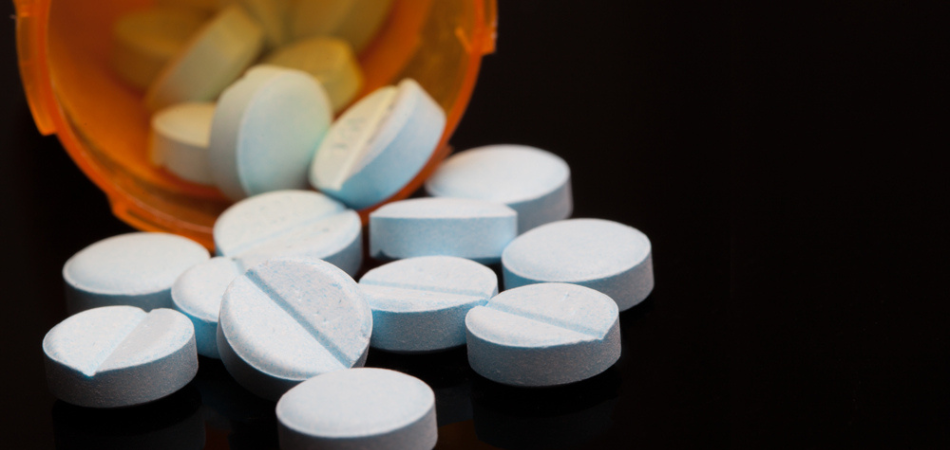
Dilaudid addiction happens when you can’t stop using hydromorphone despite wanting to or knowing the damage it causes. Dilaudid is five to seven times stronger than morphine, so it can relieve pain more effectively than any drug you have used before. This can be life-changing in itself, but as well as this relief, Dilaudid can also make you feel super relaxed, at peace, and happy. It can then be very tempting to start slowly using more pills than you are supposed to.
How does Dilaudid addiction develop?
Like other types of opioid addiction, Dilaudid addiction usually goes through stages of abuse, dependency, and eventual addiction. In most cases, it begins with legitimate medical use, with users slowly upping their Dilaudid dose as they become tolerant to its effects or start to enjoy the “high”.
Eventually, this overload of hydromorphone causes a Dilaudid dependence when you feel like you can’t do anything without the drug and go into withdrawal if you don’t take any. Hydromorphone withdrawal is more intense than with weaker opioids, begins within 3-4 hours, and can overwhelm even the best intentions to stop.
Eventually, Dilaudid addiction takes complete hold, hydromorphone use becomes compulsive, and you continue to take it even though you are putting your life at risk.
What are the warning signs of Dilaudid addiction?
As Dilaudid addiction often develops in people with legitimate medical needs, it is easy for addiction to go unrecognised. For people who are in serious pain without Dilaudid, addiction denial can be strong, as they don’t want to admit there is a problem because they are scared of the pain coming back if they have to quit. These Dilaudid addiction signs are crucial for seeing the situation more clearly:
- Taking more Dilaudid than you were prescribed or using it illegally without a genuine prescription.
- Finishing prescriptions days or weeks early.
- “Doctor shopping” or visiting multiple A&E departments claiming severe pain to obtain hydromorphone.
- Crushing and snorting tablets, or dissolving them for injection to intensify their effects.
- Needing Dilaudid constantly throughout the day, and dosing every few hours.
- Isolating yourself from family and friends who are expressing real concern about your medication use.
- Developing tolerance so extreme that doses previously considered dangerous now feel necessary.
- Continuing to take Dilaudid or alternative drugs despite the quite obvious problems.
Why is Dilaudid addictive?
Hydromorphone attaches to opioid receptors more efficiently than almost any other opioid. Your brain’s reward system responds powerfully, and natural endorphin production shuts down within just a few days of use, leading to physical dependence on Dilaudid. Once dependent, these personal factors can put you at an increased risk of a full Dilaudid addiction:
Dilaudid side effects and addiction dangers
Dilaudid’s extreme potency makes every risk more severe than with weaker opioids:
Warning signs of Dilaudid overdose include blue lips and fingernails, breathing that has nearly stopped, and unconsciousness. Call 999 right away if these symptoms are present. Naloxone can reverse a Dilaudid overdose, but it may require more than one dose because hydromorphone is so potent.
What does Dilaudid addiction recovery require?
Recovering from Dilaudid addiction takes careful medical care and therapeutic support. The process focuses on safety first, then on understanding why you needed the drug, and finally on staying well once you’re free of it:
Prescription drug detox
A professional drug detox is the safest way to withdraw from Dilaudid. Doctors may switch you to longer-acting medicines like methadone or buprenorphine so withdrawal happens gradually. They will also watch your heart rate, fluids, and blood pressure, and give medicine for pain, sickness, and anxiety. This close care prevents complications and lowers the risk of fatal relapse once tolerance drops.
Opioid rehab
Prescription drug rehab takes an honest and sometimes difficult look at what has been driving your Dilaudid use. When weighing up different rehab programmes, consider those which offer a wide range of therapy types, relapse prevention planning, inpatient care, and extensive aftercare and alumni support.
Post-rehab recovery
Life after rehab needs care and connection. As well as ongoing support from your rehab centre, local support like NA meetings gives you a circle of people to lean on when cravings or doubts return. You may also need to remain on a replacement opioid and get help for ongoing physical pain.
Contact us today if you’re ready to discuss your situation and explore all of your recovery options.
Frequently Asked Questions
(Click here to see works cited)
- British National Formulary. “Hydromorphone Hydrochloride.” BNF, 2024, https://bnf.nice.org.uk/drugs/hydromorphone-hydrochloride/
- U.S. Drug Enforcement Administration. “Hydromorphone.” DEA, https://www.dea.gov/factsheets/hydromorphone
- Medicines and Healthcare products Regulatory Agency. “Opioids: Risk of Dependence and Addiction.” GOV.UK, 2020, https://www.gov.uk/drug-safety-update/opioids-risk-of-dependence-and-addiction
- National Institute for Health and Care Excellence. “Palliative Care for Adults: Strong Opioids for Pain Relief.” NICE, 2023,
https://www.nice.org.uk/guidance/cg140 - Office for National Statistics. “Deaths Related to Drug Poisoning in England and Wales: 2023 Registrations.” ONS, 23 October 2024, https://www.ons.gov.uk/peoplepopulationandcommunity/birthsdeathsandmarriages/deaths/bulletins/deathsrelatedtodrugpoisoninginenglandandwales/2023registrations
- Talk to Frank. “Opioids.” Talk to Frank, 2024,
https://www.talktofrank.com/drug/opioids - UK Government. “Misuse of Drugs Act 1971.” Legislation.gov.uk, 1971, https://www.legislation.gov.uk/ukpga/1971/38/contents