


Last Updated:
February 2nd, 2026
Buprenorphine (Subutex) addiction: signs, symptoms and side-effects
Buprenorphine, taken as Subutex (alone) or Suboxone (with naloxone), is prescribed to treat opioid addiction and helps many people stabilise. But it also carries risks, including the danger of becoming addicted to the drug intended to help. Anyone taking or supporting someone on buprenorphine needs to know what Subutex addiction looks like, how it develops, the dangers to watch for, and where to get help.
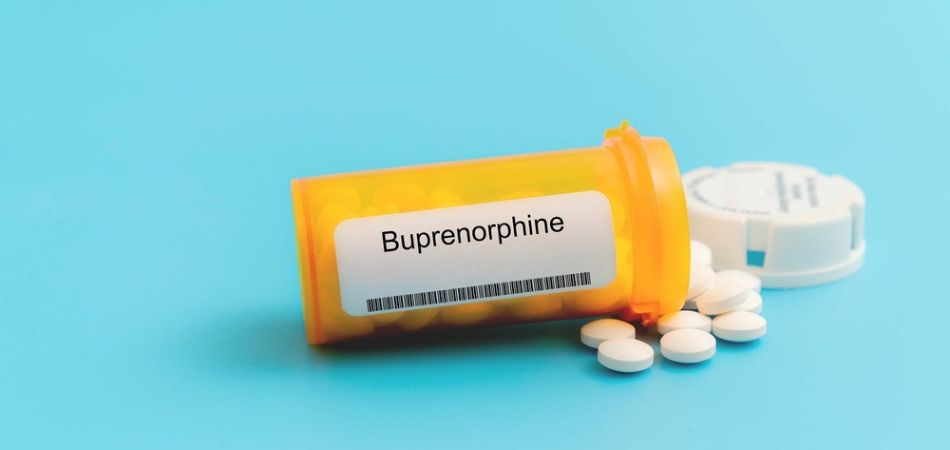
What is buprenorphine addiction?
Buprenorphine addiction means you are no longer in control of how you use your medication. It often starts well, with your dose evening out the day and cutting cravings for heroin, oxycodone, or other opioids.
However, you may start to experience a mood lift if you take buprenorphine at certain times, like when you’re feeling stressed. Buprenorphine abuse is subtle, with some people pretending they have swallowed their tablet at the clinic, pocketing it for later, or sourcing extra pills.
If you continuously ramp up your dose, you can develop a buprenorphine dependence that is just like the one you had for previous drugs. When a dose is late, your body goes into withdrawal and you feel edgy, achy, and agitated.
As this grows, buprenorphine begins to control your life like any other drug addiction. This is a very risky place to be, and without professional help, you can fall back into the dangers that buprenorphine was supposed to protect you from.
How to spot buprenorphine addiction signs
Buprenorphine is meant to help you stabilise, so it is easy to tell yourself there cannot be a problem. Rehab centres see many cases of Subutex addiction denial, often from a fear of ending treatment and going back to other drugs. But it is important to be honest and look out for these buprenorphine addiction signs:
- You take more buprenorphine than prescribed or bring doses forward to feel a lift.
- You “cheek” supervised doses, then spit them out later to save for injecting or snorting.
- You miss appointments or change pharmacies to avoid questions about missing doses.
- You mix Subutex with alcohol, gabapentin, pregabalin, or benzodiazepines to amplify the effect.
- You delay starting your dose after using heroin because you fear precipitated withdrawal, then binge to “bridge the gap.”
- You feel jittery, sweaty, or unable to sleep when you try to stretch the time between doses.
- You trade or sell part of your prescription and then scramble to find enough to avoid feeling rough.
- You hide wrappers or lie about where your tablets went.
- You keep using even after warnings from your care team.
Why does buprenorphine addiction develop?
Buprenorphine sits on the brain’s opioid receptors so that cravings ease, pain quiets, and you feel level-headed. With time, your system adapts, and the same amount of Subutex doesn’t work, so you look for boosted effects through buprenorphine abuse. But there are various underlying factors which increase Subutex addiction risks:
Buprenorphine side-effects and addiction dangers
Buprenorphine was designed to be safer than heroin or methadone, but “safer” doesn’t mean harmless. Understanding buprenorphine side effects and the dangers is very important for anyone using it:
Finding help for buprenorphine addiction
You should never feel ashamed about becoming addicted to buprenorphine or like you have failed in recovery. Owning it is a brave step and the safest way forward.
Prescription drug detox is the next step in recovery. Some people taper Subutex slowly under supervision, while others may need to switch to a different plan. Your detox team can guide you on safe timing and dose reductions, and can also help with withdrawal symptoms.
You will then need to begin opioid rehab to unpick what was left unresolved the last time. This will look at why extra buprenorphine doses became a habit and how stress, sleep, depression, or old routines kept it going. Drug rehab therapy gives you solid ways to cope so you can finally put these issues behind you.
Recovery then needs to continue after formal treatment. Relapse prevention work before you leave rehab can teach you how to spot early warning signs and handle high-risk moments. Local support and recovery groups, like aftercare therapy sessions, rehab alumni networks, and
NA meetings can all keep you connected to people who understand.
If you wish to seek help for drug addiction, contact us today, and we can help you find the right support to rebuild your life.
Frequently Asked Questions
(Click here to see works cited)
- NHS Borders. Long-acting injectable buprenorphine (Buvidal®) protocol. NHS Borders, 2024. https://rightdecisions.scot.nhs.uk/nhs-borders-clinical-guidelines/mental-health-learning-disabilities/long-acting-injectable-buprenorphine-buvidal-protocol/
- Medicines and Healthcare products Regulatory Agency. “Opioids: risk of dependence and addiction.” GOV.UK, 2020, https://www.gov.uk/drug-safety-update/opioids-risk-of-dependence-and-addiction
- National Institute on Drug Abuse. “Medications for Opioid Use Disorder – Buprenorphine.” NIDA, 2025, https://nida.nih.gov/research-topics/medications-opioid-use-disorder
- UK Government. Misuse of Drugs Act 1971, Schedule 2 (Class B listing: buprenorphine). Legislation.gov.uk, 1971,
https://www.legislation.gov.uk/ukpga/1971/38/schedule/2