




Last Updated:
January 30th, 2026
PCP addiction: signs, symptoms and side effects
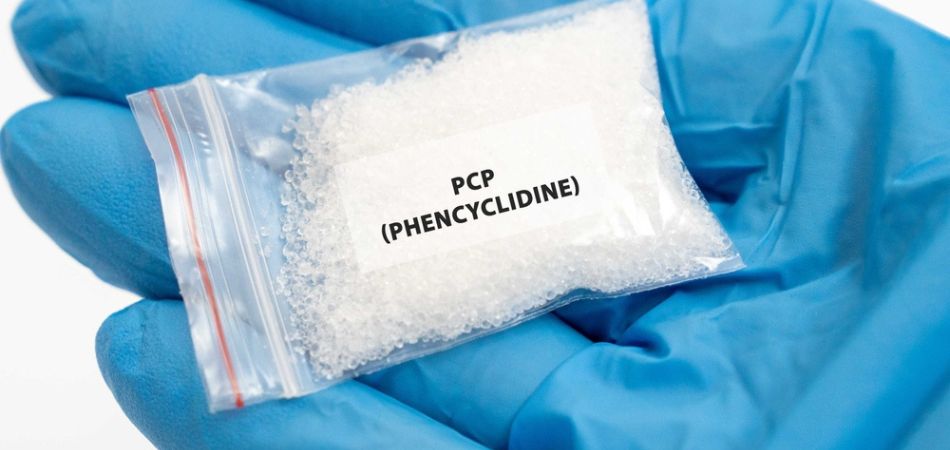
Phencyclidine is a hallucinogenic dissociative that was first used as an anaesthetic in the 1950s but was quickly withdrawn because it caused violent confusion and psychosis. Opioids are the leading cause of drug-related deaths in Britain, but hallucinogenic drugs like PCP are rising in police seizures and hospital admissions. Even small doses can cause permanent mental health problems or violent reactions, and extended use can lead to addiction. If you are frightened by how your use has changed, or by what you’ve done while high, it is crucial to understand what PCP addiction looks like.
What is PCP addiction?
PCP addiction means the drug has taken control of your choices. PCP dulls pain, distorts time, and can make you feel detached from reality or from your own body. Some people chase that distance when life feels unbearable, while others try PCP for a thrill or to escape an unpleasant life situation.
At first, PCP can feel almost mystical, producing shimmering colours, distorting pain, and giving you a sense of satisfaction or spiritual enlightenment. Soon, the same amount of PCP no longer reaches that height, so you take more, stay high longer, and lose track of time. When sober, your mind can feel confused or heavy, so you think using again might “fix” it. That is how PCP addiction forms, through cycles of chaos and relief that feed each other.
Unlike heroin or alcohol, PCP does not create strong physical dependence. Instead, PCP dependence is more of a mental reliance as your mind learns to associate the drug with positive feelings. While your body may not shake or vomit when you stop, your mood can crash into anxiety, anger, and confusion, making relapse feel like the only relief.
How to spot PCP addiction signs
Because PCP isn’t that common in the UK, it can be hard to notice the symptoms of PCP abuse and addiction. Even when you are the one using, it is easy to be in addiction denial because PCP addiction is never talked about in the news. However, these PCP addiction signs should ring alarm bells:
- You take PCP more often or in larger doses than you used to or intended to at the start of a drug session.
- You mix PCP with cannabis, alcohol, or benzodiazepines to intensify the high or calm the crash.
- You keep using PCP after terrifying experiences such as hallucinations, violent outbursts, or blackouts.
- You have been taken to hospital or arrested because of PCP use, but still use it again.
- You forget or can’t recall long stretches of time after dosing.
- You act recklessly when you are on PCP.
- You feel empty, restless, or paranoid when you go without PCP.
- You isolate yourself from people who question your use or hide paraphernalia from family or friends.
What causes PCP addiction?
PCP blocks a chemical pathway called the NMDA receptor, which helps your brain process pain, memory, and emotion. When the receptor is blocked, alongside the dopamine surge that PCP creates, you experience a rush of power and peace. Your brain can get used to this, and so you feel like you need to keep using it.
But not everyone who uses PCP and experiences these effects becomes addicted. For that to happen, there is often a combination of underlying risk factors:

PCP side-effects and addiction dangers
Every drug has risks, but PCP side effects are unusually unpredictable. The dangers of PCP misuse can unfold within minutes and sometimes last for days:
Finding help for PCP addiction
PCP is such a powerful drug, and those using it are often taking other drugs too, so professional treatment and support are very important. This usually involves an initial stay in inpatient drug rehab, which has two residential parts:
1. Drug detox
There is no single detox medication for PCP withdrawal, but you still need professional guidance and detox planning. Detox treatment focuses on rest, hydration, nutrition, and close observation for agitation, psychosis, or overheating.
2. Drug rehab
Rehab treatment should immediately come after detox, so there is no gap where relapse becomes more likely. Structured rehab therapy helps you understand why you were attracted to PCP and how it was able to take over your life. Effective rehab programmes offer a range of therapies, grounding techniques, and relapse prevention planning.
After formal treatment, you will then begin post-rehab recovery. Your rehab centre may provide alumni and aftercare services, and local support like 12-step, SMART recovery and NA meetings can all offer extra advice and accountability.
If you need advice regarding drug addiction or where to seek treatment, contact us today to talk about your needs so we can explore all your options together.
Frequently Asked Questions
(Click here to see works cited)
- “PCP.” Talk to Frank, 2024,
https://www.talktofrank.com/drug/pcp - Journey, J. D., et al. “Phencyclidine Toxicity.” StatPearls, updated 2023, National Center for Biotechnology Information,
https://www.ncbi.nlm.nih.gov/books/NBK507865/ - “List of most commonly encountered drugs currently controlled under the Misuse of Drugs legislation.” GOV.UK, 1 Apr 2025, https://www.gov.uk/government/publications/controlled-drugs-list–2/list-of-most-commonly-encountered-drugs-currently-controlled-under-the-misuse-of-drugs-legislation
- Misuse of Drugs Act 1971, Schedule 2 (Class A listing), https://www.legislation.gov.uk/ukpga/1971/38/schedule/2