




Last Updated:
January 30th, 2026
Librium addiction: signs, symptoms and side effects
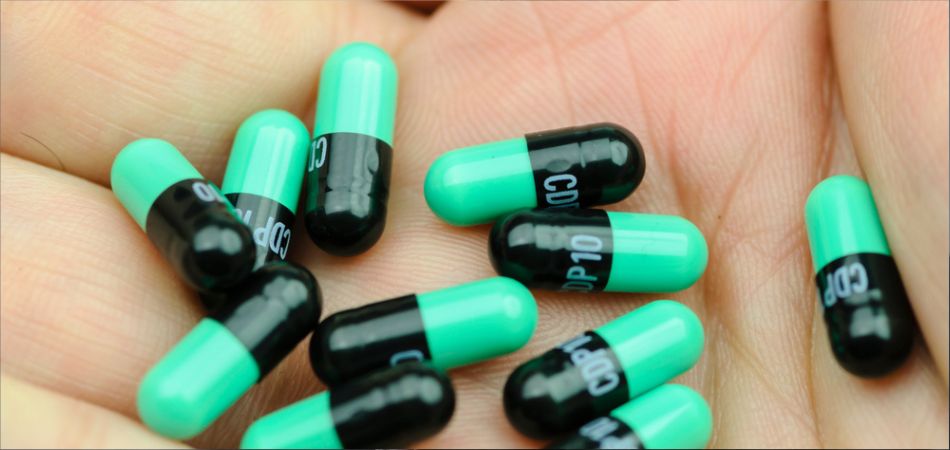
Librium, the brand name for chlordiazepoxide, is one of the oldest benzodiazepines still prescribed in Britain. It is most often used to treat anxiety and alcohol withdrawal, and when used short-term and sparingly, Librium can calm the body and steady the mind. But long-term use or misuse can lead to addiction and serious health dangers. There are hundreds of benzodiazepine-related deaths in the UK every year, many of which started with a genuine prescription. If you are worried about your Librium use, understanding the symptoms, causes, and dangers of Librium addiction can show you that it’s time to get help right now.
What is Librium addiction?
Librium addiction means you can’t stick to safe or intended use even when the harm is obvious. As with all forms of benzodiazepine addiction, nobody plans to become addicted to Librium, and few people plan to abuse it.
At first, Librium really can help with anxiety, sleep troubles or alcohol detox symptoms, but Librium is very strong and your body can become more and more tolerant to its effects. Gaps between doses can then start to feel rough, and you wake up early, tense and shaky, and only settle after another pill. That is called Librium dependence, and to satisfy the physical need, you start ramping up the levels of Librium abuse.
Once this happens, Librium can become the only way you can live with other problems in your life, like stress, mental health conditions or even fear of returning to alcohol addiction. This emotional and psychological reliance is Librium addiction, and it can be life-threatening without professional intervention.
How to spot Librium addiction signs
It is easy to think, “The doctor gave me Librium, so it must be safe.” This is a common reason for addiction denial, but it can stop you from getting the help you need. Take a moment to look at yourself honestly, and check for these Librium addiction signs:
- You take Librium without a prescription, or more than your prescription says to take.
- You keep using after the detox or medical need is over.
- You top Librium up with alcohol, codeine, pregabalin, or other sedatives to feel stronger effects.
- You save Librium tablets from supervised times or request early repeats from different clinicians.
- You have gaps in your memory.
- You have fallen over or had an accident because you were sedated.
- You hide Librium boxes or blister packs and avoid people who challenge your use.
- You keep using Librium despite arguments, missed responsibilities, or warnings from your doctors.
Why is Librium addictive?
Librium boosts GABA activity, which calms your muscles, thoughts, and fears. As explained above, with repeated use, your brain adjusts, so the same dose does less. You then have to take extra to reach the old calm, which is how physical Librium dependence builds.
But most people who also become psychologically dependent are often struggling with other issues under the surface:
Librium side-effects and addiction dangers
When used short-term and as prescribed, Librium can be helpful. But Librium misuse can quickly turn help into real harm. Here are some of the biggest dangers:
Finding help for Librium addiction
If you are worried that you have lost control of your Librium use, it isn’t a failure, but a sign to seek help before harm grows.
With benzodiazepine recovery, safety always comes first. This means a prescription drug detox with medical planning at a residential rehab centre. Librium tapers are planned and slow, and some people switch to a long-acting equivalent to reduce dosage over weeks or months. During this time, a professional drug detox team can monitor for any complications and keep you safe and supported.
The most effective rehab programmes are the ones that follow detox immediately with a programme of drug rehab therapy. Librium addiction is complex, so look for a benzodiazepine rehab programme that incorporates both holistic and traditional therapies, relapse prevention planning, and aftercare support.
Once you leave rehab, you should also look at what local support is available. Across the country, you will find NA meetings, 12-step programmes, and SMART recovery groups, and all of these can play a big part in staying Librium-free.
Contact us today for a confidential chat about what you need and where to find it, you are not alone.
Frequently Asked Questions
(Click here to see works cited)
- NHS. “Treatment – Alcohol misuse.” NHS, https://www.nhs.uk/conditions/alcohol-misuse/treatment/.
- Mind. “Chlordiazepoxide – tranquilliser.” Mind, https://www.mind.org.uk/information-support/drugs-and-treatments/sleeping-pills-and-minor-tranquillisers-a-z/chlordiazepoxide/.
- Medicines and Healthcare products Regulatory Agency. “Benzodiazepines and opioids: reminder of risk of potentially fatal respiratory depression.” Drug Safety Update, GOV.UK, 18 Mar. 2020, https://www.gov.uk/drug-safety-update/benzodiazepines-and-opioids-reminder-of-risk-of-potentially-fatal-respiratory-depression.
- Stewart, Conor. “Number of drug-related deaths due to benzodiazepine use in England and Wales from 1993 to 2022.” Statista, 29 Jan. 2024, https://www.statista.com/statistics/470844/drug-poisoning-deaths-benzodiazepine-in-england-and-wales/.