




Last Updated:
January 30th, 2026
Klonopin addiction: Signs, symptoms and side effects
Clonazepam, sold as Klonopin, is a benzodiazepine prescribed for epilepsy, panic disorder, and severe anxiety. It lasts longer than other benzos, making it useful for steady symptom control. However, it carries serious medical risks and addiction potential. Dependence can develop in just 2–4 weeks of daily use, and stopping without supervision can trigger life-threatening seizures. This page explains how Klonopin addiction develops and where to get help.
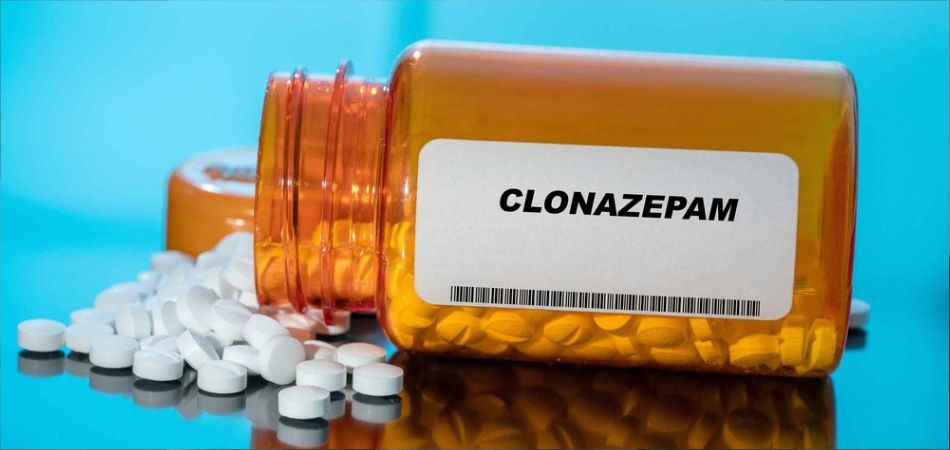
What is Klonopin addiction?
Klonopin addiction means clonazepam controls your life, and you can’t cut down or stop, even when it’s obviously damaging your life. Most people start with a prescription for managing seizures or panic attacks, and the initial course can be life-changing.
Problems begin, however, when Klonopin’s effectiveness drops off and your original dose doesn’t dampen symptoms anymore. The best thing to do at this point is to tell your doctor so they can assess your options, but some people start taking more Klonopin than they were prescribed. This is called Klonopin abuse, and it raises the levels of clonazepam in your body to dangerous levels. You then develop a Klonopin dependence, which is what causes Klonopin cravings and life-threatening withdrawal symptoms.
The next stage of Klonopin addiction is when you start using it for things it was never medically intended for. It means Klonopin use becomes your automatic response to any stressful situation, locking you into a cycle of drug addiction and abuse, regardless of consequences.
How can I spot Klonopin addiction signs?
People often ignore Klonopin addiction signs because a doctor prescribed it. But catching problems early can make treatment easier and far safer. Watch for these Klonopin addiction signs, even if you are taking it on prescription:
- Finishing Klonopin prescriptions early and taking tablets closer together than instructed
- Visiting multiple GPs to get extra prescriptions or refills without raising suspicions
- Taking Klonopin for any uncomfortable feeling instead of just prescribed conditions
- Lying about how much Klonopin you take or hiding supplies
- Combining it with alcohol or other drugs when the usual dose stops working
- Ongoing memory problems
- Ignoring your doctor’s advice to cut down or stop
- Failed quit attempts because Klonopin withdrawal felt unbearable
Why is Klonopin addictive?
Your brain makes a calming chemical called GABA, but clonazepam releases far more GABA than your brain would make naturally, stopping panic and seizure symptoms fast. However, when you take Klonopin all the time, your brain stops making enough GABA on its own. If you quit suddenly, your brain can’t compensate fast enough, and you are hit with all the old symptoms plus new, dangerous withdrawal effects.
While anyone can become dependent on Klonopin because of this mechanism, there are other contributing factors to benzodiazepine addiction:

Klonopin side effects and addiction dangers
Ongoing Klonopin abuse leads to health damage that keeps building without treatment:
What does treatment for Klonopin addiction involve?
Recovery starts with prescription drug detox in a residential treatment centre. Doctors may switch you to diazepam first because it clears out more slowly, and then lower the doses bit by bit. Staff will observe you for seizures, heart issues, anxiety spikes, and mood changes and may give other medicine to avoid these dangers.
After detox finishes, benzodiazepine rehab begins, with therapy that digs into why you have reached this point. The safest rehab programmes offer drug detox and rehab back-to-back, so every aspect of addiction is addressed in one residential stay.
Aftercare and relapse prevention planning provided by your drug rehab centre can keep you stable once you leave treatment, and you can also join local support programmes like NA meetings so you’re not left alone to struggle.
If you’re not sure where to begin, Contact us today, and we can help you take the first step.
Frequently Asked Questions
(Click here to see works cited)
- NHS. “Clonazepam.” NHS,
https://www.nhs.uk/medicines/clonazepam/ - Office for National Statistics. “Deaths Related to Drug Poisoning in England and Wales: 2023 Registrations.” ONS, 23 October 2024, https://www.ons.gov.uk/peoplepopulationandcommunity/birthsdeathsandmarriages/deaths/bulletins/deathsrelatedtodrugpoisoninginenglandandwales/2023registrations
- Talk to Frank. “Benzodiazepines.” Talk to Frank, 2024, https://www.talktofrank.com/drug/benzodiazepines
- Medicines and Healthcare products Regulatory Agency. “Benzodiazepines and Opioids: Reminder of Risk of Potentially Fatal Respiratory Depression.” GOV.UK, 18 March 2020, https://www.gov.uk/drug-safety-update/benzodiazepines-and-opioids-reminder-of-risk-of-potentially-fatal-respiratory-depression