



Last Updated:
January 30th, 2026
Zopiclone addiction: Signs, symptoms and side effects
Zopiclone is a sleeping pill for treating severe insomnia. It is available on the NHS and is often considered safer than older sedatives like benzodiazepines. However, you can become addicted to zopiclone within weeks of regular use, and this can lead to overdose, risky and unusual behaviours while you’re asleep, and long-term health complications. If you are taking zopiclone and you can’t stop, you need to understand the life-threatening dangers of zopiclone addiction and begin treatment as soon as possible.
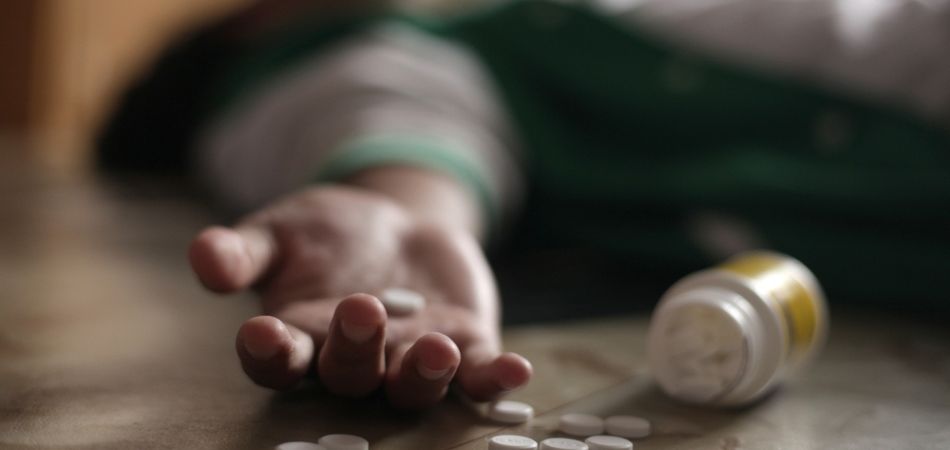
What is Zopiclone addiction?
Zopiclone addiction means an uncontrollable compulsion to use the drug, with harm already being caused to your health or other parts of your life. Zopiclone is designed for short two to four-week courses, usually for chronic insomnia. It is a very powerful sleeping pill, but the short recommended prescriptions are because the amounts of zopiclone that worked initially soon stop having any effect.
Zopiclone changes your brain chemistry, releasing GABA, the chemical that slows you down for sleep, into your brain. Regular zopiclone use, even for just a few days, tricks your brain into thinking that GABA production is being taken care of, so it stops doing that job itself.
This means if you quit or accidentally miss a zopiclone dose, there is suddenly a huge drop in GABA. You are then hit with a tidal wave of anxiety, insomnia, and even hallucinations and seizures. These are withdrawal symptoms, and they show that you have developed a Zopiclone dependence.
Withdrawal is enough to panic and take more zopiclone out of fear, and this can spill over into needing it throughout the day. It is not long before zopiclone abuse becomes your way of managing life’s difficulties, making you emotionally and psychologically dependent, too.
How can I spot zopiclone addiction signs?
Because zopiclone comes from your GP on the NHS, it feels safe, and with very careful use, it can be. The problem is that the line between safe use and dependency is so thin, and addiction denial can be strong even when loved ones can see there is a problem. If you are using zopiclone and people are telling you that they’re worried, look out for these zopiclone addiction signs:
- Taking higher doses of zopiclone than prescribed or after you were supposed to stop
- Switching doctors to get another prescription because your GP wouldn’t prescribe more
- Taking zopiclone during the daytime, instead of just for sleep
- Buying zopiclone online when legal prescriptions run out
- Mixing zopiclone and other substances to sleep because zopiclone alone doesn’t work
- Constantly tasting metal in your mouth from taking higher doses
- Panicking when you count your tablets and realise you’re nearly out
- Ignoring warnings from your GP about the dangers

Why is zopiclone addictive?
The effect that zopiclone has on GABA release is the chemical basis of physical zopiclone dependence. But many people who become physically dependent are able to spot the signs, stop taking it, and never become fully addicted.
Here are some of the aggravating factors that often tip a solely physical dependence into a zopiclone sleeping pill addiction:
Zopiclone addiction and mental health links
Many people who can’t sleep have underlying anxiety disorders, depression, high stress levels or PTSD. Zopiclone masks symptoms at first, but the troubles addiction brings only make them worse later.
Zopiclone side effects and addiction dangers
Long-term zopiclone abuse creates escalating health damage. These are the specific dangers:
Finding help for zopiclone addiction
Safe zopiclone withdrawal requires a medically planned and monitored prescription drug detox. Withdrawal can cause severe insomnia, anxiety, hallucinations, and seizures, so doctors usually taper your dose, and this can take weeks or even months sometimes. During early withdrawal, drug detox nurses or doctors should monitor constantly for any sudden changes.
Once detox completes, sleeping pill rehab explores what is driving your reliance on zopiclone. Different therapies will look at all the things explained above, like chronic anxiety, fear of insomnia coming back, and misconceptions about zopiclone safety. Once these issues have been resolved, relapse prevention planning and aftercare help with a safe transition back home.
You can also strengthen your own long-term recovery by joining local support groups, undergoing therapy for insomnia, and attending regular NA meetings.
This can be a lot to take in all at once, but Recovery.org can connect you with all the help you need. Contact us today, and we will go through all the support available to you so you can get started as soon as possible.
Frequently Asked Questions
(Click here to see works cited)
- NHS. “Zopiclone.” NHS,
https://www.nhs.uk/medicines/zopiclone/ - British National Formulary. “Zopiclone.” BNF,
https://bnf.nice.org.uk/drug/zopiclone.html - Gunja, Naren. “In the Zzz zone: the effects of Z-drugs on human performance and driving.” Journal of medical toxicology : official journal of the American College of Medical Toxicology vol. 9,2 (2013): 163-71.
https://pmc.ncbi.nlm.nih.gov/articles/PMC3657033/ - Hoffmann, Falk. “Benefits and risks of benzodiazepines and Z-drugs: comparison of perceptions of GPs and community pharmacists in Germany.” German medical science : GMS e-journal vol. 11 Doc10. 18 Jul. 2013, doi:10.3205/000178,
https://pubmed.ncbi.nlm.nih.gov/23904824/