



Last Updated:
January 30th, 2026
Gambling addiction: Signs, symptoms and side-effects
Gambling addiction destroys lives without you swallowing a single pill or drinking a drop. Four hundred people kill themselves every year in England due to the strain of gambling, and NHS referrals for gambling addiction doubled in 2024. Unfortunately, Britain has one of the world’s most accessible gambling markets, with apps on your phone, bookies on every high street, and online casinos operating around the clock. It is so important that anyone who is struggling with gambling addiction knows the risks and where to get help, because it can be just as destructive as any drug or alcohol addiction.
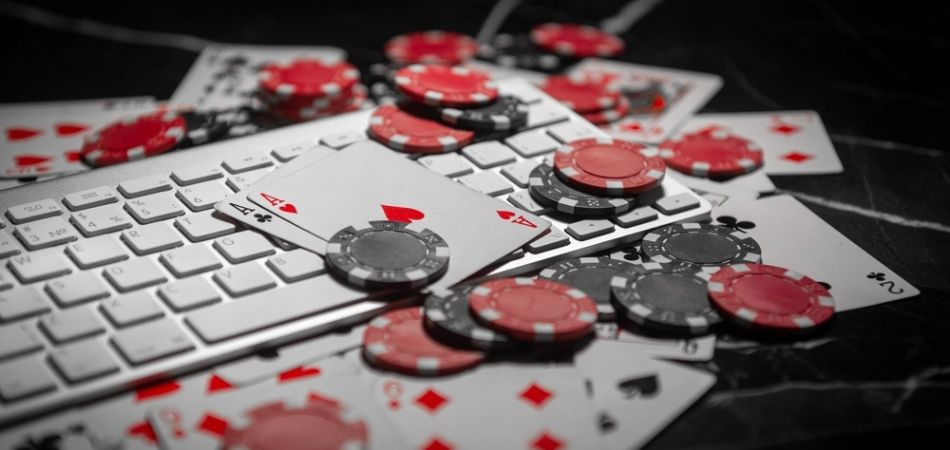
What is gambling addiction?
Gambling addiction means you cannot stop betting even when it has become dangerous to your health, finances, or relationships. It is a recognised mental health condition that requires professional medical treatment like any other illness.
Gambling addiction can start with a flutter on the football results or a few quid on online slots, and when you win, your brain floods with dopamine. This is the same chemical released when you eat chocolate or take drugs, and as with drugs or chocolate, your brain wants that feeling again. This is what creates the desire to keep gambling.
Many people may think that gambling addiction is all about the wins, but it is often the losses that create the first real danger. This is because some people’s brains are convinced that the next bet will fix everything, resulting in “chasing losses”. When you believe you can win back what you’ve lost, you bet more. If you lose again, you then chase that loss, too, then lose again, and chase it, and the dangerous pattern goes on and on.
Recognising gambling addiction signs
Gambling is such a big part of British culture, with adverts everywhere, and little effective regulation. This means you may think you’re gambling safely when really you are in addiction denial. Here are some gambling addiction signs to show that you need help:
- Borrowing money or taking out loans you can’t afford to fund gambling
- Lying about your behaviour or spending on loved ones
- Stealing or committing other crimes to get gambling funds
- Gambling alone, often late at night
- Missing work, family events, or social commitments to gamble
- Feeling unable to stop after winning, and continuing to bet until you lose everything
- Extreme mood swings between elation after wins and depression after losses
Why is gambling addictive?
Repeated gambling rewires your brain’s reward system, and the pathways that release dopamine become oversensitive. When this happens, dopamine surges at just the thought of gambling, rather than only when you win. In fact, your brain can become so addicted to the act of placing a bet itself that losing money triggers a dopamine release almost as powerful as when you win.
There are also various other factors which increase both the chances of individuals becoming addicted and high rates of gambling addiction in specific societies:
Gambling addiction dangers
The consequences of gambling addiction can be catastrophic, with some of the biggest dangers including:
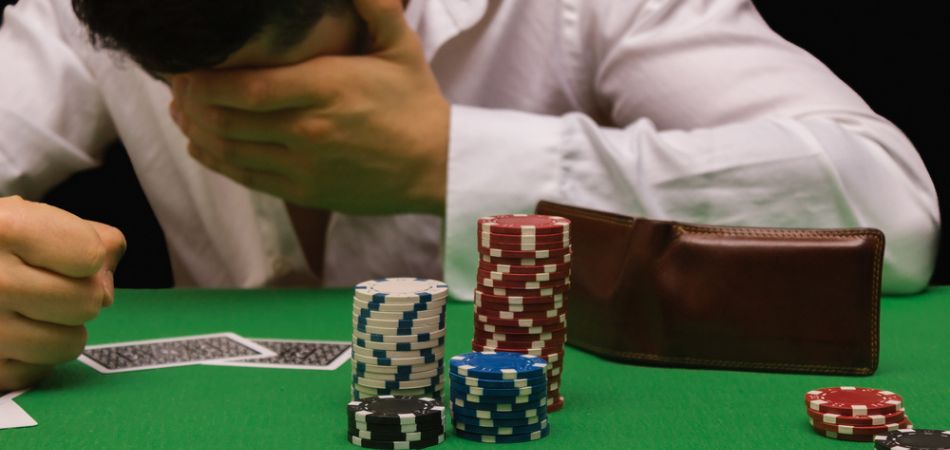
What does gambling addiction recovery involve?
Recovery begins with an honest assessment of your gambling behaviour and mental health. While there is no detox stage with gambling addiction, the early days of quitting can trigger a form of withdrawal, so professional support is needed to prevent a relapse.
Residential behavioural rehab can then help you rebuild your life without gambling. Rehab therapy will help you explore the truth behind the gambler’s fallacy, behaviour patterns like chasing losses, and the underlying personal struggles that you are using gambling to escape from. The aim is to help you develop new ways to manage or resolve these issues so you don’t need to hide from them.
The most successful rehab programmes include relapse prevention planning and alumni and aftercare services, so you have everything you need to return home confidently. You can also join up with local support groups after you leave, like your nearest Gamblers Anonymous meetings.
We have helped many people just like you with proven gambling addiction treatment. Contact us today to explore all the options and take back control of your life.
Frequently Asked Questions
(Click here to see works cited)
- NHS England. “NHS tackles problem gambling amid growing demand.” NHS England, Dec. 2024, https://www.england.nhs.uk/2024/12/nhs-tackles-problem-gambling-amid-growing-demand/.
- NHS Northern Gambling Service. “Gambling Facts.” NHS Northern Gambling Service, 6 Aug. 2025,
https://www.northerngamblingservice.nhs.uk/i-am-looking-for-help/gambling-facts/. - NHS England Digital. “Gambling behaviour.” Health Survey for England 2021, https://digital.nhs.uk/data-and-information/publications/statistical/health-survey-for-england/2021-part-2/gambling.
- GOV.UK. “Gambling treatment: assessing the current system in England.” GOV.UK, 7 Mar. 2024, https://www.gov.uk/government/publications/gambling-treatment-assessing-the-current-system-in-england/gambling-treatment-assessing-the-current-system-in-england.
- World Health Organization. “Gambling.” WHO Fact Sheets, 2 Dec. 2024, www.who.int/news-room/fact-sheets/detail/gambling
- House of Commons Library. “Fixed odds betting terminals.” UK Parliament, 21 Aug. 2025, https://commonslibrary.parliament.uk/research-briefings/sn06946/.
- Chamberlain, Samuel, and Henrietta Bowden-Jones. “Gambling Disorder in the United Kingdom: key research priorities and the urgent need for independent research funding.” Frontiers in Psychiatry, 2020,
https://pmc.ncbi.nlm.nih.gov/articles/PMC7612512/.