



Last Updated:
February 2nd, 2026
Alcohol detox
What is alcohol detox?
Detox of any kind can create instant feelings of worry, and that fear is largely down to the unknown. Some understand alcohol detox to be a process where you’re placed in an environment with no access to alcohol and expected to stop drinking altogether. While some of this is true, it doesn’t quite hit the mark. Yes, alcohol detox is the process of removing alcohol from your system, but you’re not just thrown into a locked room and wished all the best. The aim is to clear alcohol from the body in a medically controlled, calm and safe environment so that the body and the brain can regain stability.
So, why is this step necessary? When someone drinks heavily or even just frequently over a long period of time, their nervous system adapts to the presence of alcohol. The human body is very good at adapting to things that you consistently give it, even if it’s harmful to you, and alcohol is no different.
One of the real reasons detox exists, though, is that, done alone, alcohol detox can be a messy and dangerous business. When you suddenly stop drinking, the body can produce uncomfortable and, in some cases, life-threatening withdrawal effects. Doing this alone opens the door for all sorts of complications, which is why detoxing at a professional detox centre is always advised.
What causes alcohol withdrawal symptoms?
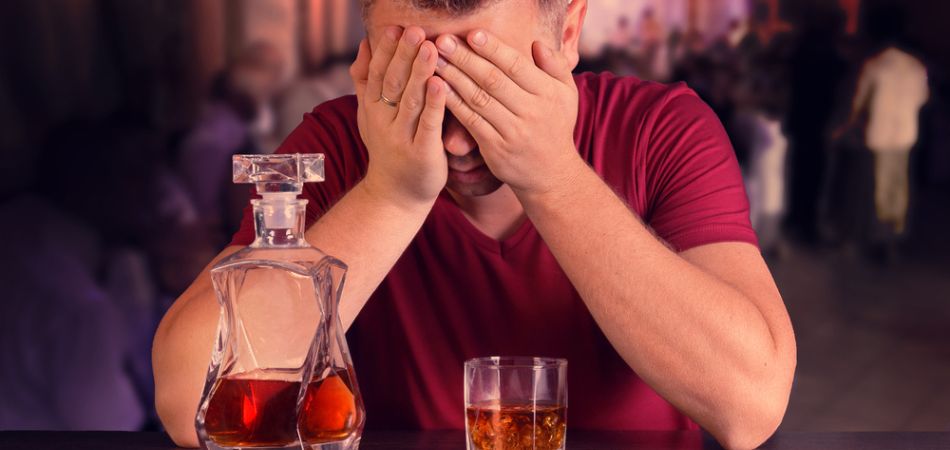
Another part of why some are so worried about alcohol detox is the withdrawal symptoms it can produce. For some people they may have experienced it themselves, even if they weren’t trying to quit alcohol. For example, a person may be dependent on alcohol, and just a few hours away from their normal drinking routine can lead to uncomfortable symptoms, like:
- Anxiety
- Restlessness
- Shaking
- Sweating
- Nausea or vomiting
- Difficulty sleeping
- Irritability
- Headaches
- Rapid heartbeat

This happens because long-term drinking changes the way the brain maintains balance. Alcohol is a depressant, which means it slows down activity in the central nervous system. When someone drinks regularly, the brain adapts to this slowing effect by increasing the production of stimulating neurotransmitters and reducing its natural calming chemistry. These adaptations help the brain function despite the presence of alcohol, but they create a delicate balance that depends on alcohol being there.
When alcohol is suddenly removed, the nervous system becomes overstimulated because the brain has not yet reduced these chemicals. The calming effect that alcohol once provided disappears almost instantly, but the stimulating chemicals remain elevated. This mismatch is what causes alcohol withdrawal, and it’s why medical support is always recommended when detoxing from alcohol.
How can a detox centre help me through alcohol detox?
You may be wondering why we’re putting so much emphasis on not attempting to quit alcohol on your own, but there are important reasons behind this. The best way to show you is how the alcohol detox timeline unfolds and what withdrawal symptoms you may experience. The other aim is to show you how you’re taken care of in a professional rehab centre every step of the way:
In an alcohol detox setting, staff monitor your circulation and check how steady your breathing is. You are encouraged to drink fluids, and your room is kept quiet so the first signs of alcohol withdrawal feel less overwhelming.
An alcohol rehab centre responds by adjusting your care so that symptoms do not escalate. Medication may be offered to settle your system, and staff provide consistent support with hydration and nutrition to prevent your strength from dropping.
Staff observe you frequently and intervene early if symptoms begin to intensify, creating a sense of safety at a time when your body feels unstable.
An alcohol detox centre uses this period to help you rebuild steadiness. You are guided toward regular meals, encouraged to rest properly and given gentle introductions to therapeutic conversations when you feel ready.
What happens after alcohol detox?
Finishing alcohol detox is a significant milestone, but it’s only the first step toward lasting recovery from alcohol addiction. Most alcohol detox centres guide you into the next phase of healing, which focuses on therapy. Detox clears alcohol from your system, yet it doesn’t address the emotional or psychological reasons you became reliant on it. You can think of these reasons as the roots of a tree. Removing alcohol trims the branches, but unless the roots are tackled, the tree eventually grows back. When therapy targets the underlying drivers of your alcohol use, the cycle becomes much harder to repeat.
You might begin with cognitive behavioural therapy, which helps you understand and challenge the patterns of thinking that encourage drinking. If trauma has played a part in your relationship with alcohol, one-to-one counselling provides space to process what you have carried and to reduce the emotional weight that keeps you stuck.
Counselling also helps you build relapse-prevention strategies, giving you practical tools you can rely on during moments of stress when alcohol once felt like the quickest solution.
Because alcohol recovery can be emotionally draining and physically exhausting, many alcohol detox centres complement therapeutic work with holistic support. Approaches such as yoga, mindfulness, art therapy or sound therapy help you reconnect with your body and regain a sense of steadiness after long periods of dysregulation.
Reaching out for help
If alcohol has started to take more from you than it gives and cutting down feels harder than it should, reaching out is an important next step. You don’t need to wait until the situation feels unmanageable. Support is available, and it can be the difference between navigating withdrawal alone and moving through detox with clarity and safety.
Speaking with someone who understands alcohol withdrawal can help you decide what kind of support fits your needs and what your path forward might look like. If you feel ready, reach out today. You deserve to feel grounded again, and you don’t have to face alcohol detox on your own.