




Last Updated:
January 30th, 2026
Crack cocaine rehab: Crack cocaine addiction treatment
Crack cocaine destroys lives and entire communities around the world. Thousands of people across the UK are trapped in crack cocaine addiction, and many have tried stopping countless times on their own. Professional crack cocaine rehab offers something completely different from struggling and failing alone. Rehab includes priceless medical support through withdrawal, proven therapy that addresses why you started using, and guidance on how to stay crack-free in the real world.
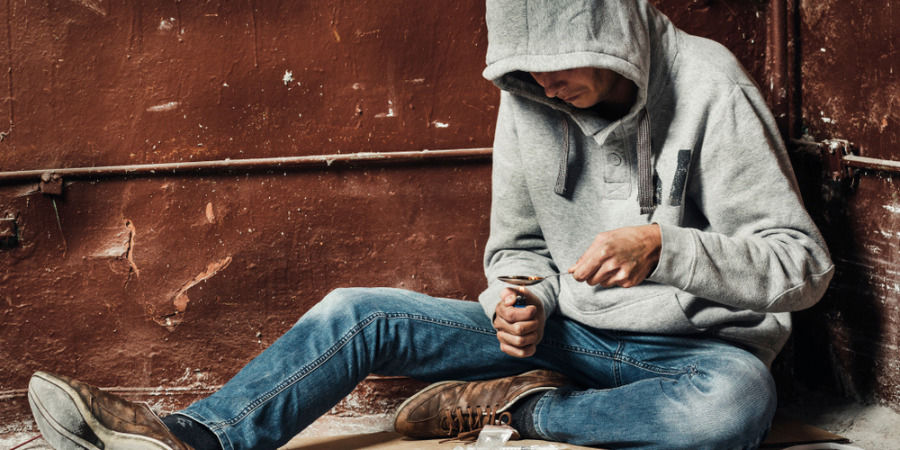
What is crack cocaine rehab?
Crack creates dependency faster than most drugs because of how quickly it hits your brain and how hard you crash afterwards. Within minutes of smoking, you can feel invincible, then suddenly empty and desperate for more. This cycle trains your brain to prioritise crack above everything else in your life, making it nearly impossible to stop through willpower alone.
Crack cocaine rehab addresses both the physical withdrawal and the psychological patterns keeping you stuck. During crack cocaine detox, medical staff help manage the exhaustion, depression, and overwhelming cravings that make the first week so brutal. Drug rehab therapy then unpacks what crack gave you that felt impossible to find anywhere else, which moments trigger your worst cravings, and how to build a life where crack has no place.
When is crack cocaine rehab necessary?
Addiction can convince you that you are still managing when everyone around you can see you are not. You might believe you will stop after this bag, or that you only use crack when things get really bad. But if you want to see clearly through addiction denial, be honest with yourself about these questions:
- Do you smoke crack more often or in larger amounts than you planned?
- Have you sold belongings or borrowed money you cannot pay back to buy crack?
- Do you disappear for days at a time on binges?
- Have you been in dangerous situations or places because of crack use?
- Are your teeth, skin, or overall health visibly getting worse?
- Do you feel paranoid, aggressive, or completely unlike yourself when using or coming down?
- Have people you care about distanced themselves because of your crack use?
- Have you tried quitting before but found yourself smoking again because you couldn’t cope?
Don’t feel too disheartened if these questions are ringing true. Admitting you need help is not giving up; it is choosing to fight back properly.
What are the options for crack cocaine rehab?
The UK offers two main paths for crack cocaine treatment. Crack rehab NHS programmes provide outpatient support, which is free and open to everyone. Unfortunately, outpatient crack cocaine rehab may not be intensive enough if you are heavily addicted and lack real support at home. Residential NHS beds are sadly extremely limited, and you may wait weeks or months to start treatment while continuing to use and put your health in danger.
Private inpatient crack cocaine rehab provides immediate admission to a safe environment completely removed from dealers, friends who use, and the places you associate with crack. The intensity of inpatient care usually yields longer-term results, because you are physically separated from these crack use triggers during the crucial early weeks when relapse risk is highest. Private crack cocaine rehab does cost money, but immediate admission and better outcomes are often worth the investment.

What therapies are used in crack cocaine rehab?
Effective crack cocaine addiction treatment recognises that stopping crack is only half the battle. Just as important is understanding what crack was doing for you, whether that was escaping painful feelings, fitting in socially, or just feeling capable of facing the day. Leading crack cocaine rehab programmes combine several approaches, which may include:
Group therapy
Just being in a room with others fighting drug and alcohol addiction shows you that you are not uniquely broken or hopeless. Group members share strategies that work, warn about mistakes they made, and hold each other accountable.
Individual therapy
Private sessions with your own therapist let you discuss sensitive topics you might not want to share in a group. Your sessions will focus on finding the patterns that keep you using crack and creating clear steps to avoid relapse.
Cognitive behavioural therapy (CBT)
CBT exposes the mental tricks crack addiction plays on you. You learn to spot the thoughts that lead back to using, like “Just once won’t hurt”, and interrupt them before they derail your recovery.
12-step programme
The 12-step approach breaks recovery into achievable stages, starting with admitting you have lost control and gradually building toward a stable, crack-free life. The structure and peer support help many people maintain sobriety years after treatment.
Dialectical behaviour therapy (DBT)
DBT provides concrete skills like mindfulness and healthy communication to repair relationships damaged by drug addiction and get safely through crises without crack.
Family support therapy
Family therapy brings loved ones into the recovery process so everyone can begin healing together. These sessions help relatives understand how drug addiction works, how to set healthy boundaries, and how to offer support without enabling old habits.
What happens in a typical day in crack cocaine rehab?
Life in inpatient crack rehab follows a predictable routine, which brings some peace to what has probably been a chaotic time in your life. Your day starts with breakfast alongside other residents, before you go on to morning therapy.
Lunch then provides a proper break and chance to decompress before you start afternoon sessions. As discharge approaches, afternoons increasingly centre on relapse prevention planning, identifying risky situations you will face, and practising what you’ve learned so far.
Evenings bring dinner, then free time to relax and talk with fellow residents. These friendships matter because your recovery peers often become part of your post-rehab support network. Once you have had a good night’s sleep, it’s time for another day, taking you closer to recovery.
Life after crack cocaine rehab – Crack cocaine addiction relapse prevention
Finishing residential treatment is a major achievement, but recovery continues long after you leave. Private crack rehab programmes should include extensive aftercare support and access to alumni events and online support groups.
Some people benefit from transitioning to sober living accommodations rather than immediately returning home. These drug-free houses provide structure and peer support during the vulnerable early months when old triggers can be most overwhelming.
Alumni networks keep you connected to people from treatment through organised meetups and messaging groups. Having people who understand your struggle provides accountability when you feel shaky and celebration when you reach milestones.
Your rehab centre should also connect you to local support, such as CA meetings or NA meetings. These free, peer-led groups can give you permanent support no matter what life brings.
Seek crack cocaine rehab today
Do you need help with crack cocaine addiction? Our free, confidential service provides expert guidance on all the options and how to get started. Contact us today to reclaim your life from crack cocaine.
Frequently Asked Questions
(Click here to see works cited)
- “Adult Substance Misuse Treatment Statistics 2023 to 2024: Report.” Office for Health Improvement and Disparities, GOV.UK, 28 Nov. 2024, www.gov.uk/government/statistics/substance-misuse-treatment-for-adults-statistics-2023-to-2024/adult-substance-misuse-treatment-statistics-2023-to-2024-report.
- “Crack Cocaine.” FRANK,
www.talktofrank.com/drug/crack-cocaine. - Office for National Statistics. “Deaths Related to Drug Poisoning in England and Wales: 2024 Registrations.” Office for National Statistics, www.ons.gov.uk/peoplepopulationandcommunity/birthsdeathsandmarriages/deaths/bulletins/deathsrelatedtodrugpoisoninginenglandandwales/2024registrations.