




Last Updated:
January 30th, 2026
Sleep/Sleeping pill addiction treatment
Sleeping pills are prescribed to millions of people across the UK each year for short-term insomnia, but many end up using them far longer than recommended. This can be dangerous; drugs like zopiclone, zolpidem, and older sedatives such as benzodiazepines carry a high risk of dependence and are linked to hundreds of deaths annually. These “Z-drugs” can quickly become addictive, especially when used as a coping mechanism for deeper issues. Sleeping pill rehab offers structured, professional support to taper safely, address underlying sleep problems, and work through the personal challenges that may have led to reliance on these medications in the first place.

What is sleeping pill rehab?
Sleeping pill rehab is a safe way to come off long-term nighttime medication with proper support. It is aimed at people using Z-drugs, benzodiazepines and other forms of sedatives who can’t cut down or stop on their own.
Z-drugs were promoted as being a safer alternative to older sleeping pills, but Z-drug and benzodiazepine addiction rates are very similar. Both can cause physical and psychological dependence, which sleeping pill rehab is designed to address. A medical team will manage your taper and check for any complications during detox, while the therapy team helps you with whatever is going on under the surface.
Most people in sleeping pill rehab started with a completely legitimate prescription and slowly ended up stuck. Good rehab programmes recognise that, so alongside therapy, you will also work on simple, healthy ways to improve your sleep and deal with any nighttime anxiety.
The goal of sleeping pill rehab is to leave with a plan, people you can lean on, and a set of habits that make it less likely you will feel forced back onto drugs in the future.
When is sleeping pill rehab necessary?
You don’t have to be awake for days on end to get help with sleeping pill addiction. It is worth looking into rehab if you notice any of these issues:
- You are taking sleeping pills most nights, even when you’re not especially stressed or upset and could possibly fall asleep without them.
- You run out early, double up on bad nights, or need repeat prescriptions sooner than you should.
- You have tried to cut down before and gone straight back because of the rebound insomnia.
- Your first thought about any trip, overnight stay or change in routine is whether you will be able to take sleeping pills.
- You have visited different doctors or exaggerated symptoms to keep the prescriptions coming.
- Your friends or family are noticing serious changes.
- You are scared of what would happen if you ever had to stop suddenly.
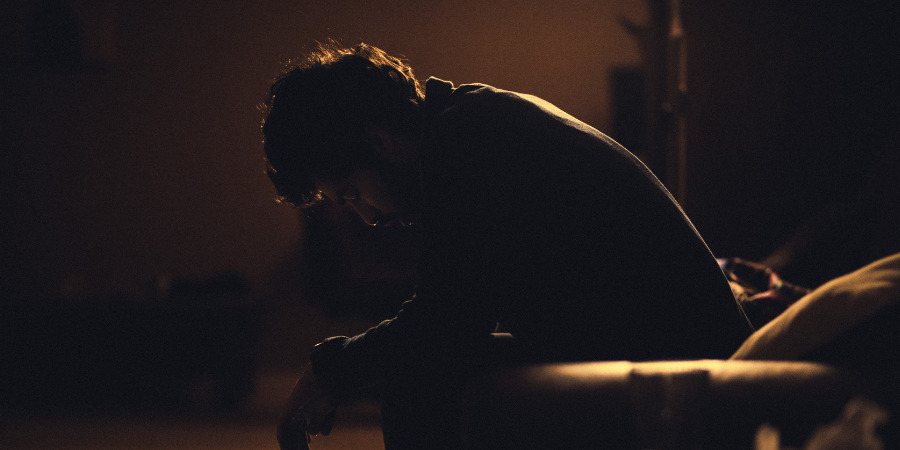
If several of these ring true, it is a sign you are no longer in control and should think seriously about drug rehab.
What are the options for sleeping pill rehab?
Recognising that you are struggling with sleeping pill drug addiction can be scary, but there is a lot of help available. In Britain, this comes from two main sources:
1. Sleeping pill rehab NHS support
On the NHS, you may be able to get free access to detoxification services, reviews with a prescriber, and referrals for talking therapies and support groups. This can be effective if your sleeping pill dose isn’t extremely high and you have a reasonably stable routine. The challenge is that residential drug detox is hard to access on the NHS, and doing therapy while you live at home means you’re attempting in the same place you’ve been using.
2. Private inpatient sleeping pill rehab
Inpatient sleeping pill rehab means moving into a clinic for a while so you’re not trying to juggle work, home and recovery at the same time. Staff support you as your dose comes down and help you build a new sleep routine before you go back home. Private rehab also tends to have a wider range of therapies, including one-to-one sessions, which the NHS does not usually provide.
What therapies are used in sleeping pill rehab?
Sleeping pill rehab involves confronting old worries and emotional struggles, and managing the fear of rebound insomnia. The therapy side of sleeping pill rehab helps you handle all of that, with some of the most important therapies including:
Life after sleeping pill rehab
Finishing sleeping pill addiction treatment doesn’t mean your sleep problems vanish overnight. You will be going home with new habits but less medication, which is why a clear aftercare plan matters so much. A good sleeping pill rehab will usually offer aftercare therapy and alumni services, relapse prevention planning, and sometimes sober living stages.
Outside of these rehab services, you can also join Narcotics Anonymous or other local support meetings, join therapy for anxiety, depression or trauma, and work on your sleep routine with a counsellor. CBT I is one of the most popular and effective therapies for ongoing insomnia, and can help you stay off sleeping pills long-term.
Seek sleeping pill rehab today
If you feel trapped between insomnia and relying on drugs to get by, Recovery.org can help you find the right sleeping pill rehab for you. Everything you share is kept private, and our advice is completely free. Contact us when you’re ready, and we will help you understand what options are available.
frequently asked questions
(Click here to see works cited)
- Hockenhull, Jessica, et al. “Nonmedical use of benzodiazepines and Z-drugs in the UK.” British Journal of Clinical Pharmacology, vol. 87, no. 4, 2021, pp. 1676-1684, https://bpspubs.onlinelibrary.wiley.com/doi/10.1111/bcp.14397.
- “About zopiclone.” NHS, www.nhs.uk/medicines/zopiclone/about-zopiclone/.
- “About zolpidem.” NHS, www.nhs.uk/medicines/zolpidem/.
- Office for Health Improvement and Disparities. Adult Substance Misuse Treatment Statistics 2023 to 2024: Report. GOV.UK, 28 Nov. 2024, https://www.gov.uk/government/statistics/substance-misuse-treatment-for-adults-statistics-2023-to-2024/adult-substance-misuse-treatment-statistics-2023-to-2024-report.
- Office for National Statistics. Deaths Related to Drug Poisoning in England and Wales: 2024 Registrations. ONS, 17 Oct. 2025, https://www.ons.gov.uk/peoplepopulationandcommunity/birthsdeathsandmarriages/deaths/bulletins/deathsrelatedtodrugpoisoninginenglandandwales/2024registrations.