


Music therapy

Music therapy for addiction uses musical activities led by a certified therapist to help you process emotions and build recovery skills. It is an active treatment where a qualified music therapist uses specific techniques to address the reasons you use drugs, drink, gamble, or behave compulsively. Music therapy for drug addiction and other dependencies works whether you’re an aficionado or have never touched an instrument in your life.
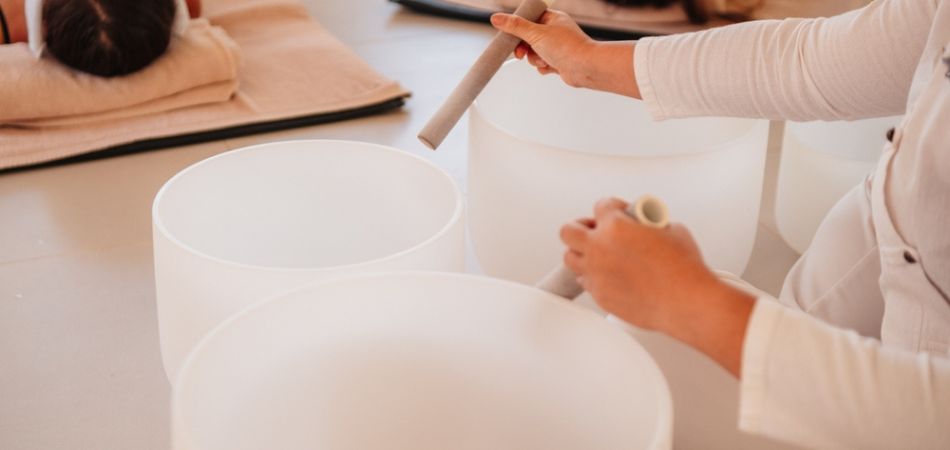
music therapy at rehab

What is music therapy in addiction recovery?

Music therapy is a clinical treatment delivered by therapists trained in both music and psychology. In the UK, music therapists usually complete a degree in music, followed by a postgraduate Master’s in Music Therapy.

Music therapy sessions may involve creating songs about your recovery journey, using drums to express anger you’ve been suppressing, or analysing lyrics that reflect your experiences. Music becomes a tool for exploring feelings that are difficult to express in words.

Music therapy for addiction treatment differs from recreational music activities. While some rehab programmes may offer informal jam sessions or concerts, actual music therapy involves assessment and treatment planning with clear goals. Your therapist will track your progress and adjust activities based on what is helping you the most.

Why music therapy works in addiction recovery

Music accesses parts of your brain that talk therapy misses, providing its own unique benefits. Some of the biggest include:

Emotional release and expression
When you’re making music, you’re not just thinking about emotions, but expressing them directly. This can break through the defences keeping you stuck. Screaming into a microphone while playing aggressive music lets you express trauma safely. Creating a gentle melody on a xylophone may help you access grief that you’ve been avoiding.
Physical and mental calming
The rhythmic aspects of music can help settle your nerves. If you’re anxious or agitated, both common in early recovery, drumming or rhythmic breathing exercises can help calm you. If you’re depressed or feeling low, upbeat music activities can lift your mood.
Building connection and communication
Music therapy activities for substance abuse can also address isolation. Making music with others can create connections without you needing to talk about yourself. If you struggle expressing emotions verbally, music can give you another language. For example, you can share a song that captures how you feel.
Understanding yourself better
Songwriting in particular can help you make sense of your story. Writing lyrics about why you started gambling, or what you hope to regain through drug or alcohol rehab, can make it easier to motivate yourself.
Better coping mechanisms and resistance to cravings
You can also develop new ways to manage stress and cravings that don’t involve substances or addictive behaviours. Engaging actively with music affects the same reward pathways in your brain that drugs do, but in a healthy way. Music therapy can also reduce cravings, or at least distract you until they pass.
Rebuilding identity and self-esteem
Many people in early recovery can really struggle with self-esteem or feel like they’ve destroyed everything. Music therapy can help rebuild your confidence and show you that you are capable. It can be particularly helpful for people who have lost their identity to addiction.

What to expect in music therapy sessions

Music therapy happens in individual sessions, group settings, or both. Individual sessions let you work on personal issues – perhaps writing a song to apologise to your children or processing specific trauma through improvisation. Group music therapy builds connection while teaching you to work with others.

Individual sessions
Your therapist might start by asking what music means to you – what you listened to when using, what reminds you of difficult times, and what brings you comfort. This assessment guides treatment. Sessions typically run 45 minutes to an hour.

Activities vary based on your needs. You might spend one session learning basic guitar chords to play a meaningful song, another making spontaneous music on percussion instruments to express current emotions, and another discussing lyrics that resonate with your recovery.

Group sessions
In group music therapy, you create music together – perhaps spontaneous music-making as an ensemble, writing a group song, or recreating songs that matter to participants. The focus isn’t on sounding good but on the process of creating something collaboratively.

Group work teaches you to listen, take turns, support others’ contributions, and handle the frustration when things don’t go perfectly. These skills transfer directly to relationships outside therapy.

Integration with other treatments
Music therapy runs alongside other therapies. You might process something in individual counselling, then explore those feelings through music therapy, then discuss the experience in group therapy. Each approach reinforces the others.

Some centres schedule music therapy during or after difficult treatment components. A music session following an intense trauma therapy appointment can help you settle before returning to your day.

indian woman doing music therapy

What to look for in music therapy programmes

Music therapy is offered in various treatment settings. Some inpatient alcohol and drug rehab centres offer it several times weekly as a core part of treatment. Others include it occasionally as a bonus offering. Here are some of the most important things to look for when considering music therapy programmes:

Check therapist credentials
Some rehab centres offer activities led by counsellors with musical backgrounds but not formal music therapy training. While potentially beneficial, this isn’t the same as clinical music therapy.

When researching programmes, ask whether they employ professionally registered music therapists. In the UK, qualified music therapists are registered with the Health and Care Professions Council (HCPC). This registration ensures they have completed proper training and meet professional standards.

Consider frequency and integration
Ask how often music therapy sessions occur and whether they’re optional or integrated throughout the programme. Rehab centres that incorporate music therapy into regular treatment schedules tend to produce better outcomes than those offering it as an occasional activity.

Find out if music therapy continues in aftercare. Maintaining musical practice after leaving treatment helps sustain the skills and emotional outlets you’ve developed.

Suitability for different addictions
Music therapy works for all addiction types, including drug and alcohol addiction, gambling addiction, and other forms of behavioural addiction. The activities can be adapted to each person’s situation and the emotions driving their particular issues. Check that the programme has experience with your specific needs.

Next steps

If you are drawn to creative approaches or traditional talking therapies haven’t worked well for you, programmes incorporating music therapy may be a great choice for you. Recovery.org can tell you which programmes employ qualified music therapists and how extensively music therapy features in their treatment. Contact us today to discuss what’s available.

Frequently Asked Questions

What are the five dimensions of recovery?
SAMHSA identifies four major dimensions – Health, Home, Purpose, and Community. Hope is the foundation underlying all four, but some models list it as a fifth dimension. Music therapy addresses multiple dimensions, improving mental health, building community through group music-making, providing purpose through creative expression, and generating hope by helping you create something meaningful when addiction has taken so much away.
What are the four main types of music therapy interventions?
The four types are receptive (listening to selected music), re-creative (learning existing songs), improvisational (creating spontaneous music), and compositional (writing original songs). All four can be used in addiction treatment depending on the programme and participant needs.
Where can music therapy for addiction recovery be accessed?
Music therapy is available in some NHS drug and alcohol services, though not widely. Various private live-in rehab centres increasingly offer it as part of a holistic treatment programme. Some charitable organisations provide music therapy groups, and it is also available through outpatient private sessions. When researching programmes, check whether they employ professionally registered music therapists rather than just offering music activities.

(Click here to see works cited)

  • British Association for Music Therapy. “Training and Qualifications.” BAMT, www.bamt.org/music-therapy-training/training-and-qualifications.html. Accessed 12 Dec. 2025.
    Bruscia, Kenneth E. Defining Music Therapy. 3rd ed., Barcelona Publishers, 2014.
  • Substance Abuse and Mental Health Services Administration. “SAMHSA’s Working Definition of Recovery.” SAMHSA, 2012, store.samhsa.gov/sites/default/files/pep12-recdef.pdf. Accessed 12 Dec. 2025.