




Last Updated:
January 30th, 2026
EMDR therapy in recovery
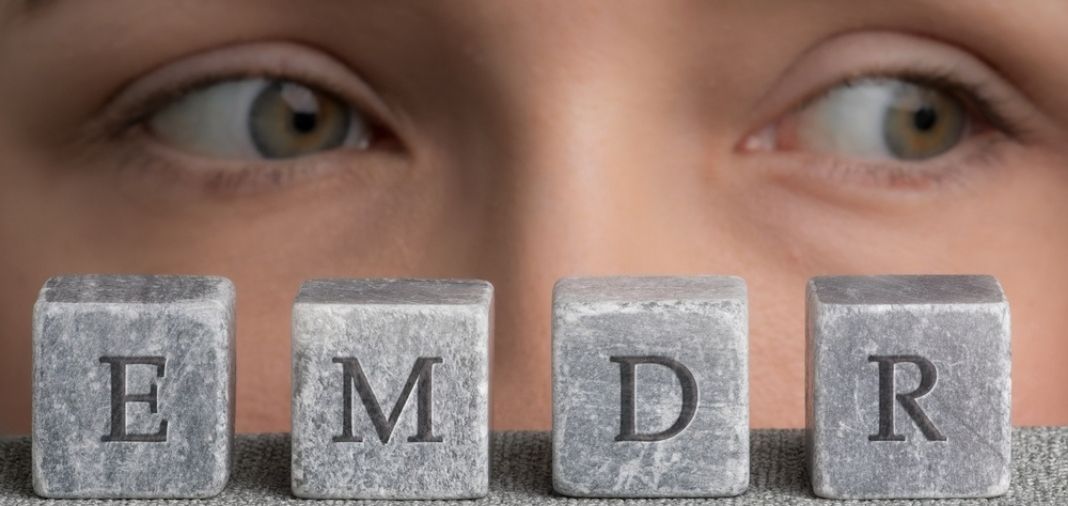
EMDR (Eye Movement Desensitisation and Reprocessing) is a trauma therapy that uses eye movements to help your brain process difficult memories. When trauma causes or worsens addiction, EMDR can reduce the emotional impact of those memories. This often reduces the need to self-medicate with substances, helping people in recovery stay sober. EMDR is offered by a number of rehab programmes in the UK and can be an excellent part of an effective treatment plan.
What is EMDR therapy for addiction?
Francine Shapiro developed EMDR in the late 1980s after noticing that certain eye movements reduced the intensity of disturbing thoughts. The therapy has since become widely recognised for treating PTSD and other trauma-related conditions, including drug and alcohol addiction.
EMDR is based on the idea that trauma memories can get stuck, so a memory from years ago can feel as raw as if it happened yesterday. The therapy uses eye movement and sometimes tapping or sounds to help your brain process these stuck memories.
Many people with addiction have trauma in their past, including childhood abuse, assault, accidents, and grief. EMDR can work for alcohol and drug addiction, and also common types of behavioural addiction like gambling or sex addiction, where the behaviour is used to distract oneself from the symptoms of trauma.
Why does EMDR work for addiction treatment?
There are many unique qualities benefits of EMDR that make it very useful in drug and alcohol rehab treatment. Some of these benefits include:
How EMDR works in addiction treatment
EMDR therapy treatment follows an eight-phase protocol. Alcohol and drug rehab centres sometimes modify this to fit their programme timeframes, but the basic phases are:
Limitations of EMDR treatment
EMDR therapy treatment does have some limitations and doesn’t work for everyone. Here are some things to understand when considering if EMDR for addiction is right for you:

Finding EMDR therapy for addiction
When researching programmes, ask directly about EMDR availability and how it fits into treatment. You then need to check the therapists’ qualifications and ask how experienced they are in using EMDR for addiction.
Some programmes offer EMDR as part of a complete treatment with other therapies. Others specialise in trauma-focused treatment with EMDR at the centre. Neither approach is fundamentally better, so you just need to decide whether each centre’s EMDR programme suits your individual situation.
Next steps
If you have trauma contributing to your addiction, programmes including EMDR can make a huge difference. Recovery.org can explain which substance and behavioural rehab treatment centres offer EMDR therapy and how they incorporate it into treatment. Contact us today to explore what is available and begin the life-changing journey of recovery.