




Last Updated:
January 30th, 2026
Acupuncture for addiction
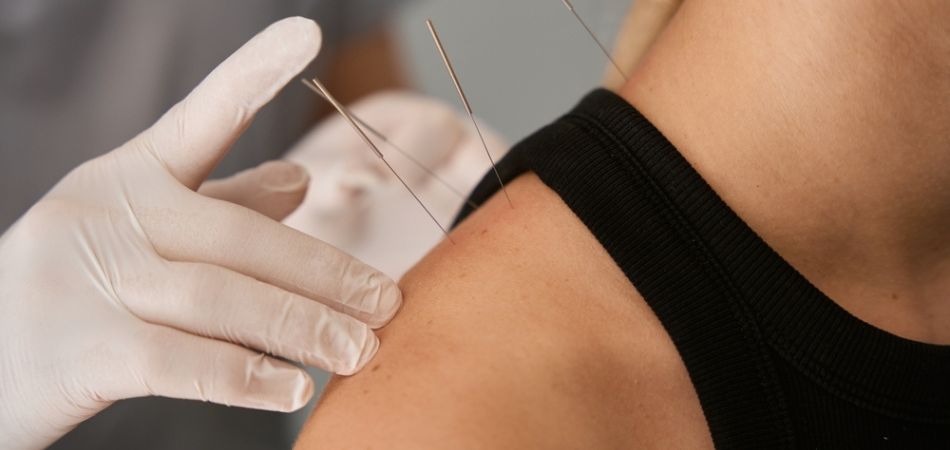
Acupuncture is a form of traditional Chinese medicine that involves inserting fine needles into specific points on the body. It has been used for thousands of years to treat pain, stress, and a wide range of health conditions. The theory behind acupuncture is that the body has pathways of energy, and inserting needles at certain points helps restore balance. Many people in rehab treatment find acupuncture genuinely calming, and there is growing evidence that it can help with withdrawal symptoms, cravings, and the anxiety that often comes with early recovery.

How is acupuncture used in addiction treatment?
In most rehab programmes, acupuncture for addiction is offered as just one part of a full treatment plan. The approach used in most treatment centres is the NADA protocol, developed in the 1970s at Lincoln Memorial Hospital in New York. Clinicians there were looking for ways to help heroin users through withdrawal without relying solely on medication. They developed a standardised treatment using five points on each ear, believed to correspond to the lungs, liver, kidneys, sympathetic nervous system, and a calming point called “Shen Men.”
The protocol was designed to be simple enough that trained non-acupuncturists could deliver it, affordable enough for community programmes, and effective enough to make a noticeable difference. Since then, the use of acupuncture therapy for addiction has spread globally, including to drug and alcohol rehab centres across Britain
What are the main types of acupuncture?
There are two main types of acupuncture:
How is acupuncture for addiction offered?
Acupuncture for addiction recovery can be offered at various stages of treatment, including:
What are the benefits of acupuncture for addiction?
Research on acupuncture for drug addiction and alcoholism is mixed, as some studies show clear benefits, and others are less conclusive. But many people in recovery find that it helps, and the risks are minimal when delivered by trained practitioners. Commonly reported benefits include:
- Reduced anxiety: The calming effect is often noticeable within the first session, and for people whose addiction is tied to anxiety, this can bring huge relief.
- Better sleep: Insomnia is common in early recovery from drug and alcohol addiction, but acupuncture can help people fall asleep more easily and wake less during the night.
- Easing of physical withdrawal symptoms: Acupuncture can potentially reduce sweating, nausea, muscle aches, and restlessness.
- Lower cravings: Some people also find that the urge to use drugs or drink becomes less intense after acupuncture sessions.
- A sense of calm without medication: For people wary of taking more drugs during recovery, acupuncture offers a drug-free way to potentially manage symptoms.
- Improved engagement with other treatment: Someone feels calmer and better rested, they’re often more able to participate in other addiction therapies.
None of this means acupuncture works for everyone, and some people really do feel nothing. But for those the acupuncture does help, it can make the hardest parts of recovery more bearable.
What does acupuncture feel like?
If you have never had acupuncture before, the idea of needles can be off-putting. But acupuncture needles are much finer than injection needles, with most about the width of a human hair.
Most people feel a slight prick as the needle goes in, followed by a dull ache, tingling, or warmth around the point. Some people feel nothing at all. The sensation isn’t usually painful, though certain points can be more sensitive than others.
During an ear acupuncture session in rehab, you will usually sit in a comfortable chair in a quiet room. The practitioner will clean your ears, insert around five needles in each ear, and leave you to rest for 30 to 45 minutes. Many people even doze off during that time. Afterwards, the needles are removed and disposed of safely.
What are the alternatives to needles?
Not everyone is comfortable with needles, and there are alternatives that work on similar principles. If needles are putting you off, ask whether the centre offers any of these alternatives:
- Acupressure: This uses finger pressure on the same points instead of needles. It is gentler, and you can even do it yourself once you know where the points are.
- Ear seeds: These are tiny beads or seeds attached to adhesive tape, placed on ear acupuncture points, and left in place for several days. You can press them yourself when you feel anxious or experience cravings.
- Laser acupuncture: This approach uses low-level light instead of needles. It is painless, but it is less common in UK rehab centres.
- Electro-acupuncture: This is when a mild electrical current flows through the needles to enhance the effect. It is sometimes used for pain or more severe symptoms.
How can acupuncture help after you leave rehab?
Many people who experience benefits from acupuncture continue sessions after rehab. Regular acupuncture can help manage ongoing stress, support sleep, and just provide a regular moment of calm each week. For people dealing with depression or anxiety alongside their recovery, acupuncture can be one more useful tool in the box. The routine itself can also matter, as having a regular appointment to show up for can help keep recovery on track.
Some areas in Britain have low-cost or free NADA clinics run by community organisations or addiction charities. These are worth seeking out if private treatment isn’t affordable long-term.
How can Recovery.org.uk help?
If you’re looking for a rehab that includes acupuncture as part of its programme, we can help you find the right fit. Contact us today and we can talk you through what’s available.
Frequently Asked Questions
(Click here to see works cited)
- “Acupuncture: Effectiveness and Safety.” National Center for Complementary and Integrative Health, U.S. Department of Health and Human Services, Oct. 2022, www.nccih.nih.gov/health/acupuncture-effectiveness-and-safety.
- Carter, Kenneth, and Megan Olshan-Perlmutter. “NADA Ear Acupuncture: An Adjunctive Therapy to Improve and Maintain Positive Outcomes in Substance Abuse Treatment.” Behavioral Sciences, vol. 7, no. 2, 2017, pmc.ncbi.nlm.nih.gov/articles/PMC5485467/.
- Stuyt, Elizabeth, and Claudia Voyles. “The National Acupuncture Detoxification Association Protocol, Auricular Acupuncture to Support Patients with Substance Abuse and Behavioral Health Disorders.” Medical Acupuncture, vol. 28, no. 5, 2016, pmc.ncbi.nlm.nih.gov/articles/PMC5153313/.
- Stuyt, Elizabeth, et al. “NADA Protocol for Behavioral Health: Putting Tools in the Hands of Behavioral Health Providers.” Medical Acupuncture, vol. 30, no. 1, 2018, pmc.ncbi.nlm.nih.gov/articles/PMC5874585/.