




Last Updated:
January 30th, 2026
Yoga therapy
Addiction recovery can be a tough process, both physically and emotionally. Yoga therapy offers something different from other treatments, helping you heal, find calm, and providing a lifelong practise. Yoga therapy for addiction is most effective when it is one part of a full spectrum of treatment, and many rehab programmes in Britain now include yoga therapy in their plans.

What is yoga therapy?
Yoga therapy takes the familiar elements of yoga, like mindful breathing, movement, and meditation, and uses them to address specific health concerns. While a standard yoga class will usually focus on building strength or achieving certain poses, a yoga therapy course is aimed at a certain part of recovery. A trained yoga therapist assesses your situation and designs practices specifically for you. This can include gentle stretching to ease physical tension or breathing techniques to manage anxiety.
For people recovering from drug or alcohol addiction, yoga therapy can be very beneficial. transformative. Addiction often leaves people feeling in poor physical and mental shape. Yoga therapy helps you gently heal and strengthen, and feeling better physically can have a positive mental effect. Yoga can also help connect you to your body and mind, giving you greater control over cravings and emotions.
What is the process for yoga therapy?
Yoga therapy courses usually begin with your therapist wanting to understand your history. They will ask about substance use, whether you have injuries or chronic pain, any emotional or mental struggles, and possibly whether you have tried yoga before (but it doesn’t matter at all if you haven’t).
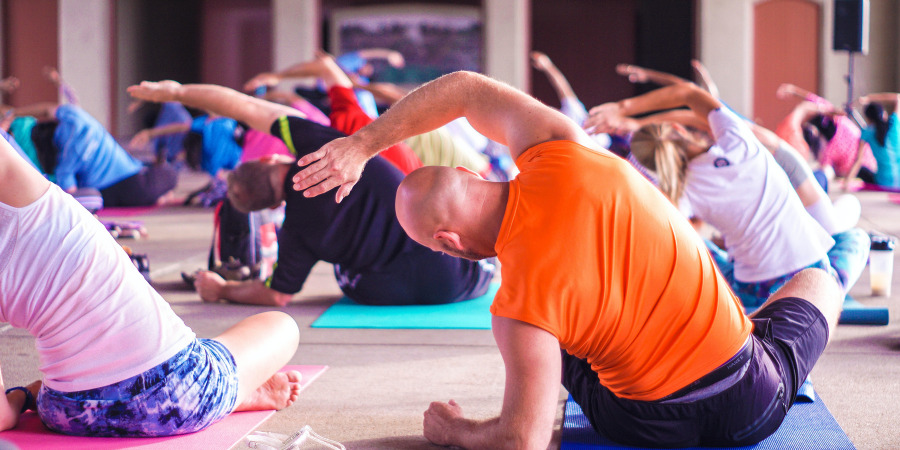
Yoga therapy sessions may start with a quick check-in, like noticing your feet on the floor or the weight of your hands in your lap. From there, your therapist will guide you through movements matched to your needs, such as slow stretches or gentle twists. There will be breathing exercises throughout the sessions, which will usually close with stillness or guided relaxation. You will always have permission to skip something that does not feel right.
How and why is yoga used in addiction treatment?
Research increasingly supports yoga therapy for addiction as something that helps when used alongside other treatments. It can lower stress hormones, help people manage difficult feelings, and possibly even influence your brain chemistry in ways that support recovery.
At a practical level, yoga teaches skills that serve sobriety directly by helping you develop recovery abilities through regular practice. These include learning to observe a craving without giving in to it, sitting with physical discomfort until it passes, and watching feelings come and go without getting swept up in them. All of these skills can be very effective for relapse prevention and long-term recovery.
What are the different types of yoga therapy for addiction?
Several styles of yoga have been adapted for treatment settings. Hatha yoga, which combines physical postures with breathwork, has the most research behind it in addiction contexts. Studies show hatha practices can reduce depression and anxiety while improving the quality of life for people in recovery.
Trauma-sensitive yoga modifies traditional practices for people whose bodies carry the weight of painful experiences. Instructors avoid hands-on adjustments and create environments where participants always maintain control over their own bodies. Given how often trauma and addiction occur together, this approach matters a great deal.
Somatic yoga therapy can also be very useful in rehab. When the body spends months or years in survival mode due to alcohol or drug addiction, it forgets how to let go. Somatic yoga untangles ingrained physical habits through slow, careful movement and paying attention to how things feel. The vagus nerve, a wandering nerve that touches nearly every organ and plays a central role in whether we feel settled or on edge, has been shown to respond particularly well to this kind of practice.
What benefits does yoga therapy offer?
Research has found that even a single yoga session significantly reduced anger, confusion, depression, fatigue, and tension in people recovering from substance use.
Yoga therapy can also provide better sleep, looser muscles, improved digestion, and a clearer sense of what is happening physically. Many people discover that yoga also helps them spot early warning signs that come before cravings or emotional crises, so they can take action before things get worse.
The breathing techniques learned in yoga therapy can also be a powerful way to stay calm. Whenever you are stressed or overwhelmed, just focusing on your breath can give you something concrete rather than needing drugs or alcohol.
Yoga therapy in private and NHS addiction treatment
The availability of yoga therapy varies considerably across treatment settings. Many private drug and alcohol rehab programmes include it, with some offering daily sessions led by qualified therapists. Being in residence means you can practise regularly as part of the schedule, so that by the time you leave, you will be able to try some of the techniques on your own.
Private outpatient alcohol and drug rehab programmes may offer weekly yoga groups, helping people manage recovery alongside work and family responsibilities.
Unfortunately, NHS-funded services are rarely able to incorporate yoga for addiction recovery. If yoga therapy is important to you, then make sure you ask specifically about it when researching treatment options.
How can yoga help you after you leave rehab?
The transition from structured treatment back to ordinary life tests everyone. Yoga requires no special equipment or appointments, but just a few minutes and enough floor space to practise. The techniques learned during treatment fit as easily into your living room as they did into the yoga room at rehab.
Many communities have yoga classes specifically for people in recovery. These spaces understand what you have been through and create welcoming environments free from substances. There are also countless yoga videos online, so you can follow along in your own time at home.
Find yoga therapy for addiction recovery today
Recovery means learning to live differently in your mind and body, and for many people, yoga therapy can help with both. If you or someone you care about is interested in yoga therapy for addiction, Recovery.org can help you find a programme that provides it. Contact us today, and we will discuss your options and help you make the right treatment decision.
Frequently Asked Questions
(Click here to see works cited)
- Walia, Nidhi, et al. “Yoga for Substance Use: A Systematic Review.” Journal of Clinical Medicine, vol. 10, no. 22, 2021. PubMed, pubmed.ncbi.nlm.nih.gov/34535521/.
- Sarkar, Siddharth, and Mohit Varshney. “Yoga and Substance Use Disorders: A Narrative Review.” Asian Journal of Psychiatry, vol. 25, 2017, pp. 191-196, www.sciencedirect.com/science/article/abs/pii/S1876201816303860.
- Singh, Nardev. “Neurobiological Basis for the Application of Yoga in Drug Addiction.” Frontiers in Psychiatry, vol. 15, 2024, www.frontiersin.org/journals/psychiatry/articles/10.3389/fpsyt.2024.1373866/full.
- Khanna, Sahil, and Jeffrey M. Greeson. “A Narrative Review of Yoga and Mindfulness as Complementary Therapies for Addiction.” Complementary Therapies in Medicine, vol. 21, no. 3, 2013, pmc.ncbi.nlm.nih.gov/articles/PMC3646290/.
- Fitzgerald, Clare, et al. “A Mixed-Method Investigation into Therapeutic Yoga as an Adjunctive Treatment for People Recovering from Substance Use Disorders.” International Journal of Mental Health and Addiction, vol. 19, 2021, pp. 1823-1841, link.springer.com/article/10.1007/s11469-020-00228-w.
- West, Jennifer, et al. “Trauma Sensitive Yoga as a Complementary Treatment for Posttraumatic Stress Disorder: A Qualitative Descriptive Analysis.” International Journal of Stress Management, vol. 24, no. 2, 2017, pmc.ncbi.nlm.nih.gov/articles/PMC5404814/.