




Last Updated:
September 8th, 2026
Depression and addiction
What is depression?
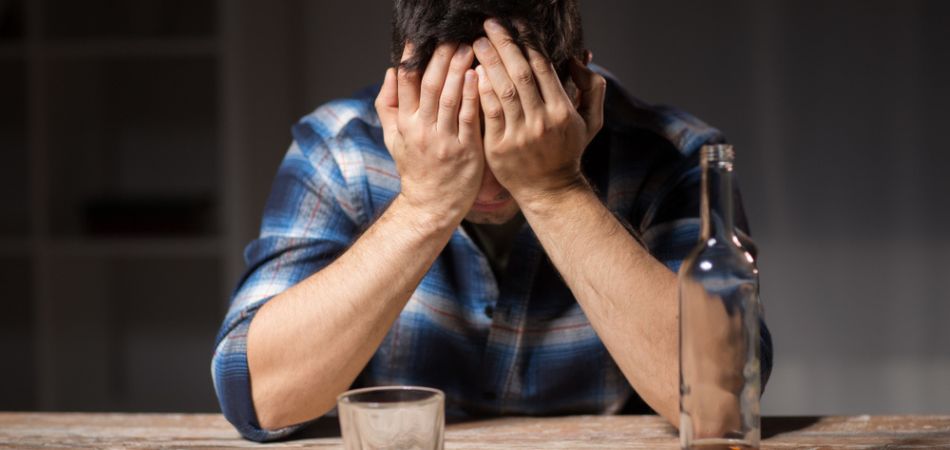
Depression is a mood disorder that affects how a person thinks, feels and behaves. It isn’t the same as having a difficult week or feeling low after a stressful event. Depression reaches into daily life and creates a level of emotional weight that becomes hard to recover from without support. It can influence sleep, appetite, concentration and motivation, which makes even simple tasks feel draining.
In the UK, depression is one of the most common mental health conditions and reports suggest that around one in six adults experiences symptoms at any given time. That figure includes a wide range of backgrounds and age groups, showing how depression can affect anyone regardless of circumstance.
Depression also varies in severity with some experiencing mild but persistent symptoms, while others face episodes that significantly disrupt all areas of life. These differences mean depression isn’t a single fixed experience but a spectrum of symptoms that require tailored support.
What are the signs of depression?
The signs of depression can look different from person to person, yet clear patterns emerge when symptoms become hard to ignore. These patterns build slowly and begin to influence how someone sees themselves and the world around them.
Common signs include:
- Emotional heaviness
- Loss of interest in activities once enjoyed
- Changes in sleep
- Appetite changes
- Low energy
- Difficulty concentrating
- Feelings of worthlessness
If several of these signs have been present for a significant period and feel difficult to manage, it may be worth speaking with a professional who can assess whether depression is playing a role.
How can depression impact a person’s life?
Without the right support, depression can influence all areas of a person’s life. On a practical level, depression can affect a person’s ability to concentrate or follow through on tasks. This can create problems at work or in education, since deadlines and responsibilities become harder to maintain. Research indicates that depression contributes to reduced productivity and long-term sickness absence.
Relationships can also shift when depression is present, for example, a person may withdraw to protect themselves from emotional fatigue, yet that withdrawal can be misunderstood as disinterest. Partners, friends or family members may interpret the distancing as rejection, which can lead to tension that the person with depression feels unable to resolve. This dynamic can leave both sides feeling stuck.
Depression also affects physical wellbeing, with some people experiencing disrupted sleep, changes in appetite or reduced activity levels. These changes can increase vulnerability to health issues such as cardiovascular strain or weakened immunity, causing long term issues.
One of the most concerning impacts of depression is its relationship with addiction, something which we’ll explore closer in the next section.
The links between depression and addiction
The relationship between depression and addiction is complicated because so many different factors can influence how the two conditions interact. Having depression doesn’t automatically mean a person will develop an addiction but certain features of depression, such as low mood, emotional emptiness or a strong need to escape distress, can make someone more vulnerable to using substances or compulsive behaviours as a way to cope.
The connection also varies depending on the type of addiction, with some patterns showing a much stronger association than others. This is why it helps to look at different addictions separately and understand how each one might feed into the emotional experiences that sit at the core of depression.
- Depression and sex addiction – Research shows that symptoms of sex addiction are strongly associated with depression.
- Depression and gaming addiction – A meta-analysis found that around one third of people with internet gaming disorder also experience depression.
- Depression and porn addiction – One study reported that problematic pornography use is linked to higher levels of depression.
- Depression and gambling addiction – Studies estimate that between 50% and 75% of people with gambling disorder have a co-occurring mood condition, with depression being the most common.
- Depression and alcohol addiction – Depression frequently co-occurs with alcohol addiction and having one roughly doubles the risk of developing the other.
- Depression and ketamine addiction – Ketamine misuse has been tied to mood disturbances, including depression. In some cases, people with underlying depressive symptoms may misuse ketamine to self-medicate.
- Depression and opiate addiction – Nearly half of individuals with opioid use disorder also experience depression. This combination carries a significantly higher risk of overdose and suicide.
How are those with depression and addiction treated?
When depression and addiction appear together, treatment works best when both conditions are addressed at the same time. Focusing on one while ignoring the other leaves key struggles unaddressed, particularly since emotional pain can be the driving force behind addictive behaviours.
Therapies used in standard addiction treatment can be adapted to support those with depression. Here’s how they can help:
- CBT can help challenge negative thought cycles that feed both conditions.
- DBT supports emotional regulation during periods when distress makes sobriety feel harder to maintain.
- Some programmes also include therapies that feel grounding, such as art, mindfulness or movement-based approaches, which give people a way to settle their nervous system without relying on harmful coping strategies.
Medication can be part of treatment for depression, even when addiction is present but this depends on the person’s history, symptoms and the substances involved. The aim is to create enough emotional steadiness for someone to engage with their recovery work.

Does addiction rehab differ for those with depression?
The structure of rehab stays largely the same but the emotional environment differs slightly when depression is part of the picture. For example, during detox, changes in sleep and mood can feel heavier for someone living with depression. This is why a predictable routine and steady communication become essential.
As the body moves through withdrawal, emotional symptoms can rise and fall in ways that feel unsettling, so continuous guidance helps prevent the person from feeling overwhelmed during this phase.
Therapy is also shaped around the challenges that depression introduces. Sessions may focus on rebuilding confidence that has worn thin and questioning the hopeless thoughts that keep the person stuck. Therapists help create goals that feel realistic and manageable, giving the person something solid to work toward.
Group work can also offer connection and understanding, which pushes back against the loneliness that depression so easily creates
The next steps
If you’re living with depression and worried about your relationship with substances or certain behaviours, you don’t need to work through this alone. Speaking with an advisor from our admissions team can clarify what support suits you and how both conditions can be addressed in a way that feels manageable. Reaching out can be the moment that shifts things, giving you a clearer path forward and a sense that change is possible.
Frequently Asked Questions
(Click here to see works cited)
- World Health Organization. (2025, August 29). Depressive disorder (depression). World Health Organization. https://www.who.int/news-room/fact-sheets/detail/depression
- Baker, C., & Kirk-Wade, E. (2024, March 1). Mental Health Statistics for England: prevalence, Services and Funding. Parliament.uk; House of Commons Library. https://researchbriefings.files.parliament.uk/documents/SN06988/SN06988.pdf
- Onyemaechi, C. (2024, April). What Is Depression? American Psychiatric Association. https://www.psychiatry.org/patients-families/depression/what-is-depression
- Beck, A., Crain, A. L., Solberg, L. I., Unutzer, J., Glasgow, R. E., Maciosek, M. V., & Whitebird, R. (2011). Severity of Depression and Magnitude of Productivity Loss. The Annals of Family Medicine, 9(4), 305–311. https://doi.org/10.1370/afm.1260
- Goodman, R. J., Samek, D. R., Wilson, S., Iacono, W. G., & McGue, M. (2018). Close relationships and depression: A developmental cascade approach. Development and Psychopathology, 31(04), 1451–1465. https://doi.org/10.1017/s0954579418001037
- Fang, H., Tu, S., Sheng, J., & Shao, A. (2019). Depression in sleep disturbance: A review on a bidirectional relationship, mechanisms and treatment. Journal of Cellular and Molecular Medicine, 23(4), 2324–2332. https://doi.org/10.1111/jcmm.14170
- Simmons, W. K., Burrows, K., Avery, J. A., Kerr, K. L., Taylor, A., Bodurka, J., Potter, W., Teague, T. K., & Drevets, W. C. (2018). Appetite changes reveal depression subgroups with distinct endocrine, metabolic and immune states. Molecular Psychiatry, 25(7). https://doi.org/10.1038/s41380-018-0093-6
- Pearce, M., Garcia, L., Abbas, A., Strain, T., Schuch, F. B., Golubic, R., Kelly, P., Khan, S., Utukuri, M., Laird, Y., Mok, A., Smith, A., Tainio, M., Brage, S., & Woodcock, J. (2022). Association between Physical Activity and Risk of Depression: a Systematic Review and Meta-analysis. JAMA Psychiatry, 79(6). https://doi.org/10.1001/jamapsychiatry.2022.0609
- Kowalewska, E., Szumska, I., & Lew-Starowicz, M. (2025). Expanding the Lens: A Systematic Review of the Latest Research on Compulsive Sexual Behavior and Problematic Pornography Use among Women. Current Addiction Reports, 12(1). https://doi.org/10.1007/s40429-025-00674-3
- Ostinelli, E. G., Zangani, C., Giordano, B., Maestri, D., Gambini, O., D’Agostino, A., Furukawa, T. A., & Purgato, M. (2021). Depressive symptoms and depression in individuals with internet gaming disorder: A systematic review and meta-analysis. Journal of Affective Disorders, 284, 136–142. https://doi.org/10.1016/j.jad.2021.02.014
- Altin, M., De Leo, D., Tribbia, N., Ronconi, L., & Cipolletta, S. (2024). Problematic Pornography Use, Mental Health and Suicidality among Young Adults. International Journal of Environmental Research and Public Health, 21(9), 1228–1228. https://doi.org/10.3390/ijerph21091228
- Selvameenatchi, R., Immanuel, S., Chithiravelu, S., & Saravanan, R. A. (2025). Beyond the Bet: Exploring Gambling Disorder and Its Comorbidities: Case Series. Indian Journal of Psychological Medicine. https://doi.org/10.1177/02537176251350591
- Mohebbi, M., Davoodian, N., Ganjali, S., Beilin, L. J., Berk, M., Forbes, M., McNeil, J. J., Nelson, M. R., Ryan, J., Wolfe, R., Woods, R. L., & Mojtaba Lotfaliany. (2025). Moderate Alcohol Consumption and Risk of Depression: A Longitudinal Analysis in Community-Dwelling Older Adults. Nutrients, 17(16), 2688–2688. https://doi.org/10.3390/nu17162688
- Strous, J. F. M., Weeland, C. J., van der Draai, F. A., Daams, J. G., Denys, D., Lok, A., Schoevers, R. A., & Figee, M. (2022). Brain Changes Associated With Long-Term Ketamine Abuse, A Systematic Review. Frontiers in Neuroanatomy, 16. https://doi.org/10.3389/fnana.2022.795231
- Tormohlen, K. N., Mojtabai, R., Seiwell, A., McGinty, E. E., Stuart, E. A., Tobin, K. E., & Troiani, V. (2021). Co-Occurring Opioid Use and Depressive Disorders: Patient Characteristics and Co-Occurring Health Conditions. Journal of Dual Diagnosis, 17(4), 296–303. https://doi.org/10.1080/15504263.2021.1979349