


Last Updated:
January 30th, 2026
Heroin addiction: Signs, symptoms and side-effects
Heroin remains Britain’s deadliest drug, and in just 2023, there were 1,453 deaths in England and Wales involving heroin or morphine. This is the highest number ever recorded, and it represents hundreds of people who tragically lost their lives to a tough but treatable drug addiction. Heroin addiction can feel like an endless battle, yet thousands recover each year with safe, structured treatment and support. Overcoming addiction can be the hardest challenge you will ever face, but with the right help, it can also be the greatest victory of your life.
Defining heroin addiction
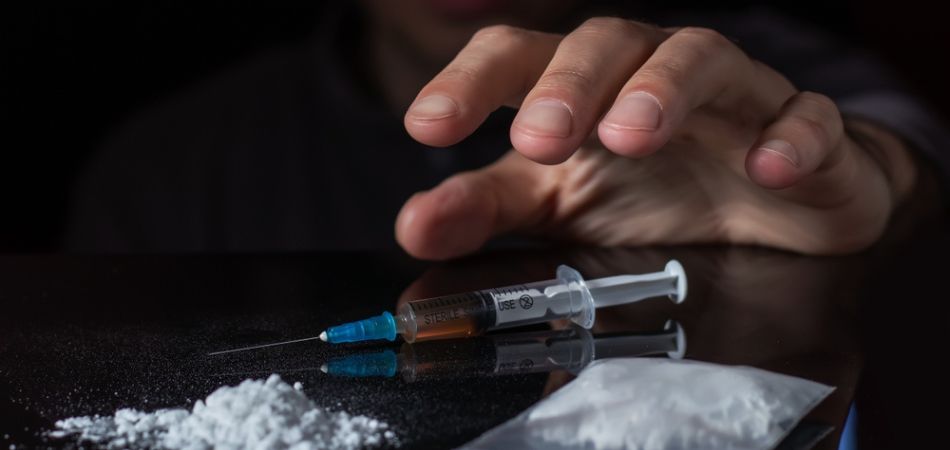
Heroin addiction is when you lose the ability to control your drug use. It is when you crave heroin constantly, can’t get through even a few hours without it, and keep using even when it brings pain and loss.
When you are addicted to heroin, it can seem like you are completely alone. But there were over 140,000 people in England receiving treatment for opioid addiction in 2023, the largest group in UK drug rehab services. Many of these people went on to overcome heroin addiction and live happy lives, showing that recovery is achievable.
The stages of heroin addiction
Most people don’t notice the line between heroin use and heroin addiction until they’ve already crossed it. No two people’s stories are the same, but addiction usually develops along a similar path:
How to spot heroin addiction signs
Heroin addiction signs are not always obvious, even to yourself. Heroin abuse can become such a “normal” part of your everyday life that it is easy to be in complete addiction denial. If you are starting to worry, these are some serious signs that you should get help for heroin addiction:
- Spending most of your day thinking about heroin or trying to get it
- Money problems or debts due to the costs of heroin
- Withdrawing from friends and family to hide heroin abuse
- Using even after a heroin overdose or close calls
- Falling asleep suddenly or “nodding off” mid-conversation
- Wearing long sleeves to hide needle marks
- Neglecting your hygiene or appearance
- Feeling sick, anxious or restless between heroin doses
- Trying to quit but relapsing every time
Why is heroin addictive?
Heroin changes how your brain feels reward and relief. Once it converts to morphine, it attaches to opioid receptors that control pain and pleasure, and the rush of calm that follows is so powerful that the brain wants it again and again. But while that explains the physical part of dependence, heroin addiction stems from deeper personal struggles:
Heroin side effects and addiction dangers
Heroin abuse and addiction destroy and end countless lives around the world. Heroin overdose, infection, and collapse are constant risks. Understanding these effects helps you see why help can’t wait for tomorrow:
Finding help for heroin addiction
The best course of treatment for heroin addiction is usually at an inpatient recovery centre. Treatment begins with a medically planned heroin detox, with doctors usually tapering opioids gradually and using substitute medications to reduce cravings and stabilise the nervous system.
Heroin rehab treatment comes next, providing a structured programme of different therapies to heal the emotional and social wounds left by heroin use. Rehab programmes can differ from centre to centre, so it is important to choose one with a wide range of therapies, relapse prevention planning, and aftercare.
Once you leave opioid rehab, there is local support around the country, including NA meetings and 12-step groups.
Asking for help is an act of courage, not weakness, and with the right care, stability and peace are within reach. Recovery.org has years of experience connecting people with the right treatment options. Contact us today, and we will help you kickstart your brand-new life.
Frequently Asked Questions
(Click here to see works cited)
- Office for National Statistics. Deaths Related to Drug Poisoning in England and Wales: 2023 Registrations. ONS, 2024.
www.ons.gov.uk/peoplepopulationandcommunity/birthsdeathsandmarriages/deaths/bulletins/deathsrelatedtodrugpoisoninginenglandandwales/2023registrations - Office for Health Improvement and Disparities. Adult Substance Misuse Treatment Statistics 2023 to 2024: Report. GOV.UK, 2024.
www.gov.uk/government/statistics/substance-misuse-treatment-for-adults-statistics-2023-to-2024/adult-substance-misuse-treatment-statistics-2023-to-2024-report - European Union Drugs Agency (EUDA). European Drug Report 2025: Heroin and Other Opioids. EUDA / EMCDDA, 2025.
www.euda.europa.eu/publications/european-drug-report/2025/heroin-and-other-opioids_en - Office for Health Improvement and Disparities. Deaths Linked to Potent Synthetic Opioids. GOV.UK, 2024.
www.gov.uk/government/publications/deaths-linked-to-potent-synthetic-opioids - Statista Research Department. Deaths by Heroin and Morphine Drug Poisoning in England and Wales (1993–2023). Statista, 2024.
www.statista.com/statistics/470888/death-by-heroin-and-morphine-drug-poisoning-in-england-and-wales/