


Last Updated:
January 30th, 2026
LSD addiction: Signs, symptoms and side-effects
LSD (lysergic acid diethylamide) is one of the most powerful hallucinogens ever discovered. While LSD isn’t physically addictive like alcohol or heroin, it can profoundly alter your perception, mood, and reality itself. For some people, that experience can feel enlightening or just a lot of fun, but it can also trigger panic, psychosis, and long-term mental health issues. In England and Wales, around 3.2% of adults aged 16–24 reported using hallucinogens like LSD in the year ending March 2024. Not everyone will develop an LSD addiction, but if you are one of those struggling, there is real help available.

Defining LSD addiction
LSD addiction means you have reached a point where taking the drug feels somehow necessary. This means you’re not taking it for fun or out of curiosity, but to feel “normal” or to escape from reality.
It is difficult to know exactly how many people struggle with LSD addiction, as many don’t see their use as a problem. However, UK LSD addiction statistics show that around 2% of adults entering drug rehab services report hallucinogen misuse, and that figure is on the rise. Many of these people were likely to be using other drugs as well as LSD, and this greatly increases the risk of multi-substance drug addiction.
The stages of LSD addiction
LSD addiction doesn’t appear overnight and usually evolves gradually as initial curiosity turns into habit and dependence takes hold. Everyone is a little different, but there are three general stages over which addiction develops:
1. LSD abuse
LSD abuse is when you start using LSD more frequently, perhaps for parties, “self-discovery,” or stress relief. Early trips may have felt fun or insightful, but frequent LSD misuse increases the chances of risky behaviour, emotional volatility, and dangerous accidents when tripping.
2. LSD dependence
This isn’t a physical dependence like you get with meth addiction or cocaine addiction. LSD dependence is more like relying on it for mental clarity, escapism, or creativity.
As with other drugs, however, LSD dependence means you start using higher doses, potentially combine LSD with other substances, and continue to take it despite negative experiences. At this stage, your brain’s perception of reality begins to blur, and flashbacks or anxiety between trips can become common.
3. LSD addiction
This is when LSD essentially becomes the centre of your world. You crave the escape it brings and feel detached or unmotivated without it. Relationships, work, studies, personal goals, and finances can all begin to fall apart, but stopping still feels impossible.
How to spot LSD addiction signs
LSD addiction can be subtle because it is psychological, not physical, but LSD addiction signs are real. If you are worried about yourself or a loved one, or you think that someone you know is in addiction denial, here is what to look for:
- Feeling restless or empty between trips, as though real life is missing something.
- Taking higher doses or stronger blotters to chase the same feeling.
- Experiencing flashes, halos, or echo-thoughts, even when you haven’t taken LSD.
- Taking LSD on your own.
- Friends or family saying you seem disconnected or different.
- Not being able to sleep, eat, or think clearly.
- Promising yourself just “one last trip”, but always breaking that promise to yourself.
- Using LSD to escape anxiety, grief, or boredom.
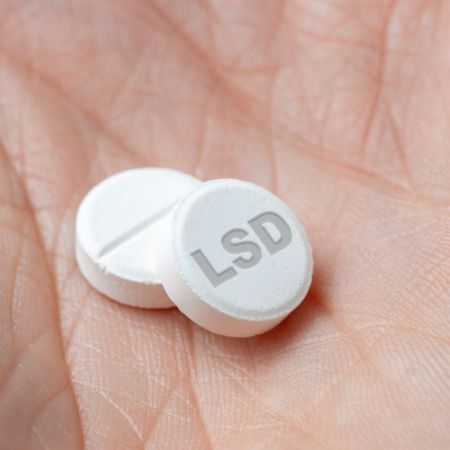
Why is LSD addictive?
LSD affects your brain’s serotonin system, distorting perception and emotion in ways that can be powerfully seductive. The need to keep chasing insight, escape, or intensity can turn into a psychological addiction that can be just as damaging as a physical one.
But LSD addiction usually builds around a combination of emotional, social, and psychological factors that are unique to each person:
LSD side-effects and addiction dangers
LSD can be very harmful to both the mind and body, even long after you stop using it. Some of the most dangerous short-term LSD side effects include:
- Hallucinations, visual distortions, and an altered sense of time
- Panic attacks, paranoia, or severe anxiety during trips
- Nausea, dizziness, and increased heart rate
- Impaired judgement leading to accidents or risky behaviour
Long-term dangers include:
- Hallucinogen Persisting Perception Disorder (HPPD): These are flashbacks, visual trails, or halos that return weeks, months or sometimes even years later
- Ongoing depression, anxiety, or paranoia
- Loss of motivation, detachment, and emotional numbness
- Difficulty distinguishing memories from hallucinations
- Potential increased risk of conditions like schizophrenia or psychosis
- Fractured relationships, legal troubles, and issues at work and school
- Suicidal thoughts or actions
- Dangerous behaviour when tripping
Finding help for LSD addiction
Because LSD doesn’t create physical dependence, treatment focuses on the psychological and emotional aspects of recovery. The right support helps you process difficult experiences, repair relationships, and learn to live comfortably in reality again.
If you are ready to make a positive change in your life, Recovery.org can show you where to get help. Contact us today and we can talk you through all the treatment options, so you can start looking forward to a future without LSD.
Frequently Asked Questions
(Click here to see works cited)
- Office for National Statistics. Drug Misuse in England and Wales: Year Ending March 2024. ONS, 2024, https://www.ons.gov.uk/peoplepopulationandcommunity/crimeandjustice/articles/drugmisuseinenglandandwales/yearendingmarch2024
- UK Government Department of Health and Social Care. Adult Substance Misuse Treatment Statistics 2023 to 2024 Report. GOV.UK, 2024, https://www.gov.uk/government/statistics/substance-misuse-treatment-for-adults-statistics-2023-to-2024/adult-substance-misuse-treatment-statistics-2023-to-2024-report
- NHS. LSD (Acid). NHS, 2024, https://www.nhs.uk/live-well/addiction-support/lsd-acid/