


Last Updated:
January 30th, 2026
Monkey dust addiction: Signs, symptoms and side-effects
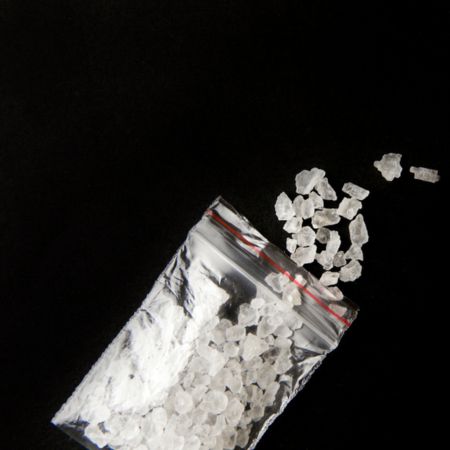
“Monkey Dust” is the street name for a group of synthetic cathinones, mainly MDPV, that mimic the effects of cocaine or MDMA. It appeared in the UK in the early 2010s and quickly became infamous for violent behaviour and drug-induced psychosis. There has been an increase in concerns about Monkey Dust abuse and addiction spreading across the country. If you are using Monkey Dust regularly or you’re considering an intervention for someone you love, it’s important to learn everything you can about Monkey Dust addiction signs, symptoms and recovery paths.

Defining Monkey Dust addiction
Monkey Dust addiction is defined as feeling compelled to use Monkey Dust in the face of all the harm and damage it is causing to you and those around you. While Monkey Dust abuse isn’t as widespread as other types of drugs, there are certain hotspots around Britain.
For example, local police and rehab programmes in Stoke-on-Trent and the West Midlands have seen a rise in cathinone-related cases over the last few years, with both individuals and their communities being hit hard.
However, Monkey Dust addiction is not a moral or personal failure. It is a neurological and psychological trap that anyone can fall into.
The stages of Monkey Dust addiction
Monkey Dust addiction can be a slow-burning condition or can take hold very quickly, but it usually goes through a few phases, each with its own warning signs. Recognising them early can help prevent serious harm:
How to spot Monkey Dust addiction signs
Monkey Dust addiction signs often appear before you realise or admit what’s happening. Addiction denial makes you think your Monkey Dust misuse is under control, even when your life is shrinking around the drug. Seeing these signs clearly can help you get help quickly and stay safe:
- Going days without sleep or food because of Monkey Dust abuse
- A constant fear that someone’s watching you or out to harm you
- Confusion or violent panic after using
- Scratched or infected skin from constant picking
- Borrowing, stealing or spending all your money on Monkey Dust
- Avoiding anyone who questions what’s going on
- Police or hospital contact after psychotic episodes
- Promising to stop, but using again to calm withdrawal
- Extreme paranoia, hallucinations or violent outbursts
- Feeling unstoppable one day and depressed or even suicidal the next
Why is Monkey Dust addictive?
Monkey Dust floods your system with dopamine, creating an intense high followed by a chemical collapse. Your brain can then stop releasing those signals naturally, leaving you anxious, restless and low without Monkey Dust. But the need to use can grow stronger around the pressures and pain in your life:
Monkey Dust side-effects and addiction dangers
Monkey Dust is one of the most unpredictable drugs ever seen in the UK. Its dangers are extreme even in small doses, and knowing the risks can save lives:
Finding help for Monkey Dust addiction
Recovery from Monkey Dust addiction demands medical supervision and deep psychological work. After days without sleep or peace, your body and mind need time to reset. A professional detox gives you that chance, with doctors and nurses keeping you stable, managing the crash of withdrawal, and helping you sleep again.
Once you’re ready, structured Monkey Dust rehab can help you understand what led you to the drug and how to live without it. Different forms of drug rehab therapy unravel the fear, trauma and stress under the surface, helping you rebuild.
When you leave rehab, ongoing assistance through aftercare therapy, NA meetings, alumni and local support helps to ensure relapse prevention and gives you people to lean on when life feels like it’s too much.
If you need help with Monkey Dust addiction, you can contact us today for confidential advice. Recovery.org has helped countless people just like you, and recovery always starts with one conversation.
Frequently Asked Questions
(Click here to see works cited)
- BBC News. Monkey Dust: The Drug Causing Mayhem on Britain’s Streets. BBC, 9 Aug. 2023.
www.bbc.co.uk/news/uk-england-stoke-staffordshire-66498720 - Home Office. List of Most Commonly Encountered Drugs Currently Controlled under the Misuse of Drugs Legislation. GOV.UK, 1 Apr. 2025.
www.gov.uk/government/publications/controlled-drugs-list–2/list-of-most-commonly-encountered-drugs-currently-controlled-under-the-misuse-of-drugs-legislation - Office for National Statistics. Drug Misuse in England and Wales: Year Ending March 2024. ONS, 2024.
www.ons.gov.uk/peoplepopulationandcommunity/crimeandjustice/articles/drugmisuseinenglandandwales/yearendingmarch2024