


Last Updated:
January 30th, 2026
Spice addiction: Signs, symptoms and side-effects
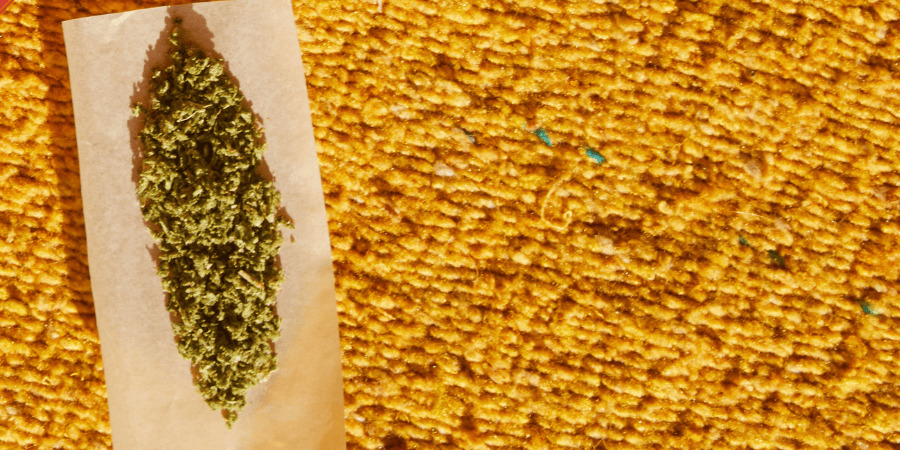
Spice is a synthetic cannabinoid, but that can mislead people into thinking it is some form of cannabis. However, Spice is created entirely from lab-made chemicals that are sprayed onto dried herbs to mimic the look of cannabis. Spice is often called the “zombie drug” because users freeze motionless, and it has been the cause of a number of deaths, extensive crime, and countless incidents of antisocial behaviour. Spice was banned in Britain under the 2016 Psychoactive Substances Act, but it is still widely available. Anyone using Spice needs to understand just how dangerous it is and get help for Spice addiction right away.
What is Spice addiction?
Spice addiction is a type of new psychoactive substance addiction, which means you cannot stop Spice abuse even when you want to. Spice abuse often starts when life becomes unbearable, and rates of use are particularly high in prisons, among the homeless, and in some of Britain’s poorest communities.
Spice’s effects offer a temporary escape from these circumstances, but the synthetic cannabinoids bind much more strongly to your brain receptors than natural cannabis does. After using Spice regularly for just a few days, your brain adapts to expect Spice, so you have to use it to avoid withdrawal instead of getting high. This is called Spice dependence, and it produces withdrawal symptoms that can include violent shaking, constant vomiting, and dangerous panic attacks and hallucinations.
Spice addiction tightens its grip when you lose all control over your choices. It doesn’t matter if you have had a near miss, lost important relationships, or even seen other people die from Spice abuse; you still just can’t stop.
Recognising Spice addiction signs
Spice’s effects are strange and unpredictable, so it’s easy to dismiss early Spice addiction signs as one bad reaction or just a “strong batch.” But when use becomes compulsive and recovery between doses gets harder, you need to look carefully at what is happening. Some red flags which may help you see through Spice addiction denial include:
- Using Spice all day, every day, despite frightening or dangerous experiences
- Smoking Spice alone or in unsafe public spaces
- Hiding Spice use from support workers, family, or friends
- Buying Spice from strangers or online sellers after running out
- Borrowing or stealing money to afford more Spice
- Needing Spice to calm down or sleep
- Growing paranoid, numb, or withdrawing from people who care about you
- Experiencing withdrawal symptoms when you don’t use Spice
Why is Spice addictive?
What makes Spice so addictive starts with its chemical design. Natural cannabis contains THC, which partially activates your brain’s cannabinoid receptors. Spice’s synthetic compounds function as full agonists and completely saturate those receptors at maximum intensity.
More dangerously, after your body metabolises Spice, those breakdown products keep binding to receptors instead of being eliminated. The effects multiply rather than fade, so your brain endures an assault of chemicals it has never evolved to withstand.
In addition to Spice’s intentional addictive effects, there are other addiction risk factors which need to be understood for effective prevention and treatment:

Spice side effects and addiction dangers
Spice is one of the most dangerous drugs ever sold as a “legal high.” Its effects vary from mild confusion to complete physical collapse, and the risks grow with every dose:
What does Spice addiction recovery involve?
Inpatient medical drug detox is critical for Spice withdrawal because of seizures, psychosis, and heart emergencies that can strike without warning. Medical staff can control these symptoms through medication and constant monitoring as your system eliminates all the synthetic compounds, but this can take several days of intensive medical care.
New psychoactive substance rehab then targets both your chemical dependence and the circumstances driving your use, like homelessness, prison trauma, or untreated mental health problems. It is always most effective when rehab programmes follow immediately after detox, and include a residential stay, relapse prevention strategies, and post-rehab aftercare.
These last two are very important because many Spice users return to environments where the drug is still everywhere, and they need to manage old faces, places and struggles. Joining local support groups like NA meetings can help with this transition, as can getting support with employment, secure housing and any ongoing mental health needs.
Recovery from Spice is possible. If you want to know more, contact us at Recovery.org today. Our team knows all the best treatment options, and we can have an honest conversation to work out exactly what you need.
Frequently Asked Questions
(Click here to see works cited)
- GOV.UK. “Psychoactive Substances Act 2016.” GOV.UK, 19 Nov. 2018, https://www.gov.uk/government/collections/psychoactive-substances-bill-2015.
- FRANK. “Synthetic cannabinoids.” Talk to Frank, https://talktofrank.com/drug/synthetic-cannabinoids.
- Yoganathan, Pruntha, et al. “Synthetic Cannabinoid-Related Deaths in England, 2012-2019.” Cannabis and Cannabinoid Research, vol. 7, no. 4, 2022, pp. 516-525, https://pmc.ncbi.nlm.nih.gov/articles/PMC9418359/.
- Duke, Karen, and Betsy Thom. “Worrying increase in spice jail deaths highlights ‘crisis in prison system.’” Middlesex University, 31 Jan. 2023, https://www.mdx.ac.uk/news/2023/1/spice-prison-deaths/.
- Freeman, Tom P., et al. “Synthetic cannabinoid use in an adult male prison in the UK.” Drug and Alcohol Dependence, vol. 251, Oct. 2023,
https://pubmed.ncbi.nlm.nih.gov/37813081/. - Kilmer, Beau, and Rosanna Smart. “The use of synthetic cannabinoid receptor agonists (SCRAs) within the homeless population: motivations, harms and the implications for developing an appropriate response.” International Journal of Drug Policy, 2020, https://www.tandfonline.com/doi/full/10.1080/16066359.2020.1730820.
- Park, Frank, Praveen K. Potukuchi, Hamid Moradi & Csaba P. Kovesdy. “Cannabinoids and the Kidney: Effects in Health and Disease.” American Journal of Physiology-Renal Physiology, vol. 313, no. 5, 2017, pp. F1124-F1132,
https://doi.org/10.1152/ajprenal.00290.2017