


Last Updated:
January 30th, 2026
Valium addiction: signs, symptoms and side-effects
Diazepam, usually marketed as Valium, belongs to the benzodiazepine family and is one of Britain’s most frequently dispensed sedatives. Doctors prescribe it to manage panic attacks, muscle tension, fits, and withdrawal from alcohol. Short courses can offer genuine relief, but extended consumption or recreational Valium abuse can quickly create a powerful addiction. Anyone taking Valium needs to be fully aware of the risks, addiction signs, and treatment options available.
What is Valium addiction?
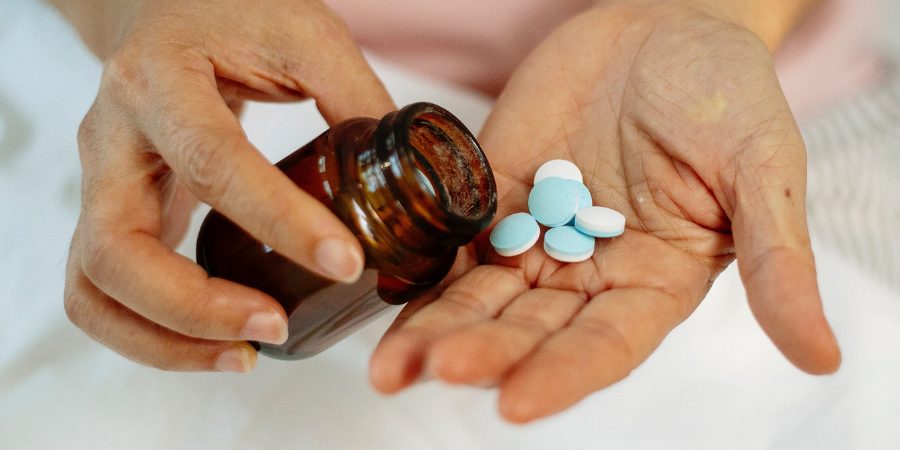
Diazepam addiction means using Valium compulsively, even as problems pile up. You can become addicted to Valium after being prescribed it, taking it to get high, or using it for stresses and struggles that it isn’t designed for.
Whatever the case, the calming effect you first felt begins to wane as your tolerance levels grow. This is because the receptors that Valium targets become less sensitive. If you start taking more Valium or using it more often, this pattern forms a physical dependence. You may not know what that is, but if you’ve tried to stop before, you have probably experienced the scary and uncomfortable withdrawal symptoms that Valium dependence produces.
These symptoms can be extremely hard to cope with, and so you start using again. The more Valium you take, the more it becomes a crutch, a coping mechanism or an escape from deep-seated problems in your life. When a complete Valium addiction develops, these problems are ignored, and you can’t stop even though you know you should.
How can I spot Valium addiction signs?
Having a Valium prescription can make it harder to see what’s really happening. Even if you are taking Valium without a prescription, the “good” it seems to do can cause addiction denial. But an honest self-assessment of these Valium addiction signs can point to what’s really going on:
- Taking prescription Valium outside your scheduled times or taking more than the prescribed amount
- Asking for refills before you’re supposed to run out, sometimes from different doctors
- Mixing diazepam with other substances for stronger effects.
- Feeling withdrawal coming on when you haven’t taken Valium, then calming right down after taking it
- Hiding Valium, dodging questions about your medication, or making up stories about how many you’re taking
- Losing chunks of time where you can’t remember anything.
- Continuing despite damaged relationships, trouble at work, or your doctor telling you to reduce.
Why is Valium addictive?
Diazepam increases levels of the neurotransmitter gamma-aminobutyric acid (GABA). More GABA means nerve cells fire less often, which creates feelings of calm, relaxed muscles, and less anxiety. When you take diazepam regularly, your brain cuts back on making its own GABA because it expects the medication to handle things. If you then stop taking diazepam, your nervous system is suddenly left without enough natural calming signals, which causes withdrawal and often relapse.
But while that is the physical part of Valium addiction, the psychological part often stems from deeper causes:

Valium side-effects and addiction dangers
When diazepam use crosses the line into addiction, the physical and mental toll can be severe. Here is what you’re risking if Valium misuse continues unchecked:
What does Valium addiction recovery involve?
Coming off benzos needs medical help because stopping with the right support can be dangerous. A prescription drug detox at a residential facility means doctors can plan how to reduce your dose safely. They may decide to drop the amount slowly over months for very heavy users. Your detox team can also watch for problems the whole way through, providing support for any returning anxiety, insomnia, or mental health symptoms.
Once detox is done, benzodiazepine rehab digs into the underlying causes of Valium addiction discussed on this page. Rehab programmes that combine talking therapies, holistic approaches and Valium relapse prevention planning give you the skills you need to manage real-life issues without drugs.
Once treatment finishes, there are many local support groups that can help you stay on track. Most locations in Britain have NA meetings and 12-step programmes, and your rehab programme may also provide aftercare and alumni support.
We can help you overcome benzodiazepine addiction. Contact us today for a private conversation about your options and how to access them.
Frequently Asked Questions
(Click here to see works cited)
- NHS. “About diazepam.” NHS,
https://www.nhs.uk/medicines/diazepam/about-diazepam/. - Office for National Statistics. “Deaths related to drug poisoning in England and Wales: 2023 registrations.” ONS, 23 Oct. 2024, https://www.ons.gov.uk/peoplepopulationandcommunity/birthsdeathsandmarriages/deaths/bulletins/deathsrelatedtodrugpoisoninginenglandandwales/2023registrations.
- Medicines and Healthcare products Regulatory Agency. “Benzodiazepines and opioids: reminder of risk of potentially fatal respiratory depression.” GOV.UK, 18 Mar. 2020, https://www.gov.uk/drug-safety-update/benzodiazepines-and-opioids-reminder-of-risk-of-potentially-fatal-respiratory-depression.
- Stewart, Conor. “Number of drug-related deaths due to benzodiazepine use in England and Wales from 1993 to 2022.” Statista, 29 Jan. 2024, https://www.statista.com/statistics/470844/drug-poisoning-deaths-benzodiazepine-in-england-and-wales/.
- University of Warwick. “Prescribing Rates for Anxiety and Sleeping Drugs Highest in Deprived Areas.” University of Warwick Press Releases, 23 Oct. 2019, https://warwick.ac.uk/news/pressreleases/prescribing_rates_for/.