


Last Updated:
January 30th, 2026
Codeine addiction: Signs, symptoms and side-effects
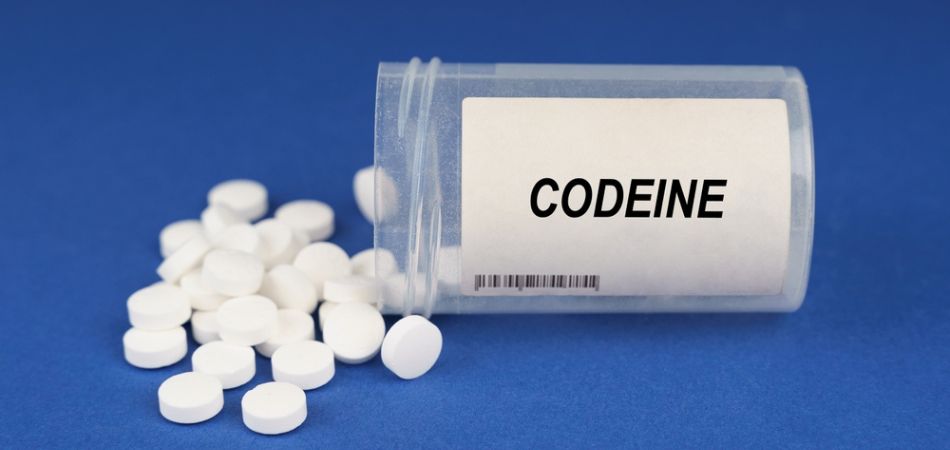
Codeine stands apart from other opioids in one important way: it’s easily accessible. You can walk into a pharmacy like Boots and buy a low-dose version combined with paracetamol or ibuprofen. While higher-strength codeine requires a GP prescription, it remains one of the most widely prescribed opioids in the UK. What many people don’t realise, however, is that codeine is powerful, potentially dangerous, and highly addictive. Recognising the signs of dependence and understanding the risks is essential for safe and responsible use.
What is codeine addiction?
Codeine addiction is when you keep using even though it’s hurting your health, your relationships, or the way you live day-to-day. Codeine turns into morphine once it’s in your body, works on the same brain receptors as heroin and other opioids, and creates the same physical dependence.
The problem with codeine is that, because you can buy it from the chemist for a toothache or a cough, it doesn’t feel like a dangerous drug. But when withdrawal hits, if you are dealing with emotional or mental struggles too, a full and dangerous opioid addiction can take hold.
How does codeine addiction develop?
Codeine addiction usually starts with real pain, but can also develop through recreational or self-medicating codeine misuse. Here are the three main stages of how it typically progresses:
Recognising codeine addiction signs
Codeine addiction is easy to miss because there is often no obvious moment when things go wrong. Especially if you were originally prescribed codeine, addiction denial is a natural reaction to growing issues. But if you are starting to worry, watch for these codeine addiction signs:
- Buying codeine daily or making sure you never run out.
- Getting codeine withdrawal symptoms when you go too long without taking any.
- Taking codeine even when you don’t have pain, just to feel okay.
- Spending money you don’t really have on codeine.
- Trying and failing to cut down on how much codeine you’re taking.
- Stomach problems, nausea, liver pain from all the paracetamol or ibuprofen in combination products.
- Lying to friends and family about what’s really going on.
Why is codeine addictive?
Codeine is a prodrug, which means your liver converts it into morphine, which then attaches to opioid receptors in your brain. This triggers a dopamine release and creates feelings of warmth and well-being alongside the pain relief. Your brain adapts quickly, making less of its own natural painkillers and locking you into physical dependence.
But for a true emotional or mental codeine addiction to develop, certain other factors are also important to understand:
Codeine side effects and addiction dangers
Codeine misuse is far more dangerous than most people think, and it can and does kill people every year. Some of the dangers that everyone using codeine needs to know include:
What does codeine addiction recovery involve?
Codeine addiction recovery needs proper support because the withdrawal is hard, and the psychological side can run very deep. Inpatient codeine rehab programmes are generally considered the most effective, with three stages needed for lasting recovery:
1. Prescription drug detox
A professionally planned and delivered drug detox gets you through withdrawal safely. It is much safer than a home detox as you will taper down gradually, switch to substitute medication if necessary, and get the necessary physical and psychological support.
2. Opioid rehab
Drug rehab therapy then helps you understand and change your relationship with codeine, addresses any underlying pain issues with non-opioid alternatives, and teaches relapse prevention strategies and coping skills.
3. Support for post-rehab recovery
This may include further therapy, either privately sought or provided by your rehab centre, local support like NA meetings, and pain management therapy.
If you or someone you know is struggling with codeine addiction, you don’t have to face it alone. Contact us today for expert advice on the best path to recovery.
Frequently Asked Questions
(Click here to see works cited)
- NHS. “Codeine.” NHS, 2023,
https://www.nhs.uk/medicines/codeine/
- Office for National Statistics. “Deaths Related to Drug Poisoning in England and Wales: 2023 Registrations.” ONS, 23 October 2024, https://www.ons.gov.uk/peoplepopulationandcommunity/birthsdeathsandmarriages/deaths/bulletins/deathsrelatedtodrugpoisoninginenglandandwales/2023registrations
- Public Health England. “Prescribed Medicines Review: Report.” GOV.UK, September 2019, https://www.gov.uk/government/publications/prescribed-medicines-review-report
- Statista. “Number of Deaths from Drug Poisoning Involving Codeine in England and Wales from 1993 to 2022.” Statista, 2023, https://www.statista.com/statistics/470902/death-by-codeine-drug-poisoning-in-england-and-wales/
- Talk to Frank. “Codeine.” Talk to Frank, 2024,
https://www.talktofrank.com/drug/codeine - UK Government. “Misuse of Drugs Act 1971.” Legislation.gov.uk, 1971, https://www.legislation.gov.uk/ukpga/1971/38/contents