


Last Updated:
January 30th, 2026
Fentanyl addiction: Signs, symptoms and side effects
Fentanyl is a synthetic opioid up to 100 times stronger than morphine. Fentanyl kills over 100,000 people a year in North America, devastating families and communities. The UK hasn’t seen the same scale yet, but deaths are rising, and even stronger opioids like nitazenes are appearing. If you use street drugs in Britain, know the risks; you could already be taking fentanyl without realising it.
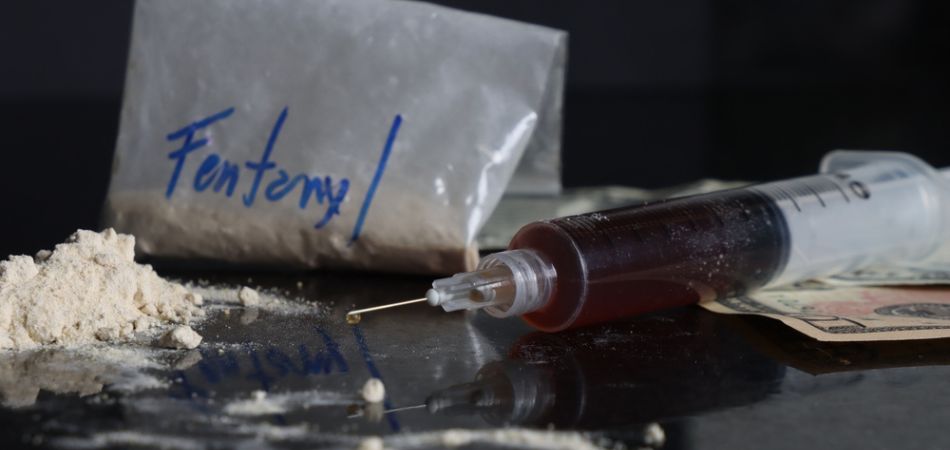
What is fentanyl addiction?
Fentanyl addiction is compulsive drug use despite the harm caused. In hospitals, fentanyl is used in tiny, controlled doses for severe pain or during surgery. These medical uses are extremely tightly controlled in the UK, and there is no way to get fentanyl prescribed for use at home.
One thing that makes fentanyl addiction unique is that most people who become addicted think they are buying heroin, cocaine, or pills like Xanax or oxycodone. Fentanyl looks, tastes, and smells like nothing, and dealers cut other drugs with fentanyl or press fake pills out of pure fentanyl because it is cheap and powerfully addictive.
If you survive the first dose, by the time you realise what you have been taking, you may already be addicted to something that could kill you any time you use it.
How does fentanyl addiction develop?
There are three main stages through which fentanyl addiction develops:
Recognising fentanyl addiction signs
You might not know you’re taking fentanyl until it’s too late, and some people go into addiction denial because they don’t want to believe it’s true. Here are some fentanyl addiction signs that may show you or someone you care about should get help:
- Unexpectedly strong high from what you thought was your “usual” drug.
- Needing or seeing people take naloxone to reverse overdoses.
- Rapid tolerance changes, so the amount that worked yesterday does nothing today.
- Extreme withdrawal symptoms, which are worse than anything you’ve felt with heroin or other opioids.
- No other drugs, even strong ones, satisfy cravings.
- Having to use multiple times a day just to avoid being violently sick.
- Consciously continuing to use fentanyl or drugs which you suspect are contaminated, regardless of your fears.

Why is fentanyl addictive?
Fentanyl binds to opioid receptors with enormous force, hitting your brain with a tsunami of dopamine, and overwhelming you with euphoria and pain relief. Within just a few uses, your brain thinks it can stop making its own natural painkillers, and this leaves you dependent on fentanyl to provide what’s missing.
But on an emotional, social and psychological level, certain situations can greatly increase your risk of a fentanyl opioid addiction:
Why fentanyl kills: Side effects and addiction dangers
Put simply, fentanyl and other new-breed synthetic opioids are the deadliest drugs in the UK supply right now. Here are some of the scariest dangers:
What does fentanyl addiction recovery involve?
Getting off fentanyl is extremely dangerous without medical supervision. The withdrawal can cause seizures and cardiac events, and the risk of fatal overdose during relapse due to reduced tolerance is extraordinarily high. You need professional help, with recovery usually requiring three phases:
1. Prescription drug detox
A medically planned and assisted drug detox stabilises you and gets you through the acute danger period. It will usually require:
- Transitioning to methadone or buprenorphine under close monitoring
- Round-the-clock medical care in case of complications
- Mental health care during the stabilisation period
2. Opioid rehab
Fentanyl addiction usually requires extended inpatient treatment because of how powerfully it rewires your brain. The best fentanyl rehab programmes combine:
- Intensive therapy addressing the reasons you started using
- Education on fentanyl addiction and drug contamination
- Relapse prevention strategies so you don’t go back to using any drugs
3. Long-term recovery support
Fentanyl recovery is a long-term journey, often requiring lifelong support. This may include:
- Continuing methadone or buprenorphine treatment in place of fentanyl
- NA meetings or other local support programmes
- Safe housing and employment support
- Naloxone access and overdose prevention planning
If you’re struggling with fentanyl use or think your drugs may contain it, reach out to us today. You don’t have to face this alone; specialist treatment can help you recover safely and rebuild your life.
Frequently Asked Questions
(Click here to see works cited)
- Centers for Disease Control and Prevention. “Drug Overdose Deaths in the U.S. Top 100,000 Annually.” CDC, 17 November 2021, https://www.cdc.gov/nchs/pressroom/nchs_press_releases/2021/20211117.htm
- National Crime Agency. “Nitazenes.” NCA, 2024, https://www.nationalcrimeagency.gov.uk/what-we-do/crime-threats/drug-trafficking/nitazenes
- NHS. “Fentanyl.” NHS, 2023,
https://www.nhs.uk/medicines/fentanyl/ - Office for National Statistics. “Deaths Related to Drug Poisoning in England and Wales: 2023 Registrations.” ONS, 23 October 2024, https://www.ons.gov.uk/peoplepopulationandcommunity/birthsdeathsandmarriages/deaths/bulletins/deathsrelatedtodrugpoisoninginenglandandwales/2023registrations
- Public Health England. “Understanding the Increase in Opioid-Related Deaths.” GOV.UK, August 2021,
https://www.gov.uk/government/publications/opioid-related-deaths-in-england - Talk to Frank. “Fentanyl.” Talk to Frank, 2024,
https://www.talktofrank.com/drug/fentanyl