


Last Updated:
January 30th, 2026
Tramadol addiction: Signs, symptoms and side-effects
Tramadol is often called a “weak opioid,” which makes it sound safer than alternative medications like morphine or oxycodone. But tramadol is one of the most readily prescribed painkillers in Britain, and this can make users underestimate the risks. Tramadol addiction develops quickly, often catching people off guard. If you are using tramadol, even with a prescription, you need to stay alert for the signs of addiction and understand the dangers it poses.
What is tramadol addiction?
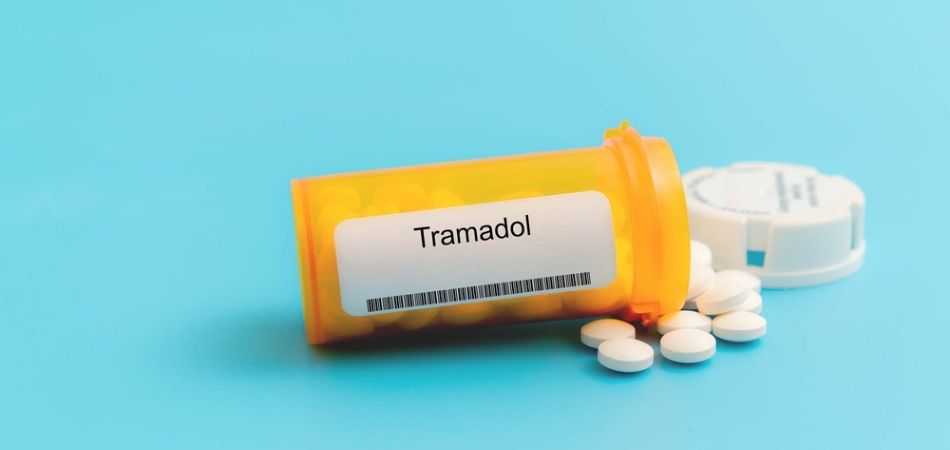
Tramadol addiction is when you are taking it compulsively despite obvious and worsening consequences. Tramadol activates opioid receptors like other opioids and street drugs like heroin, but also affects serotonin and noradrenaline like an antidepressant. This can create a two-layered dependence, with a physical need from the opioid effects and a psychological one from tramadol’s effects on mood.
Tramadol addiction typically progresses through three stages:
Tramadol withdrawal includes standard opioid symptoms like sweating, nausea, muscle aches, and restlessness, plus intense psychiatric symptoms due to serotonin and norepinephrine disruption. These can include severe anxiety, panic attacks, paranoia, hallucinations, extreme depression, and even suicidal thoughts.
Recognising tramadol addiction signs
Tramadol addiction is easy to dismiss because it’s prescribed for legitimate pain and labelled as “weak.” This can make it easy for both those on a prescription and people recreationally using tramadol to be in addiction denial. If you’re not sure whether you need to get help, look out for these tramadol addiction signs:
- Using tramadol more often or in larger amounts than your prescription allows.
- Continuing tramadol after pain is gone for anxiety relief, mood lift, or stress management.
- Getting prescriptions from multiple doctors or chemists.
- Ordering tramadol from online chemist’s so there are no checks.
- Experiencing withdrawal symptoms when doses are late or missed.
- Unable to reduce your tramadol dose despite wanting to.
- Lying to your GP about pain levels to maintain your supply.
Why is tramadol addictive?
Tramadol affects your brain’s reward system and mood regulation simultaneously. If you keep using it, your brain adapts to both these mechanisms, creating dependence on multiple neurochemical levels. But even if this happens, many people who develop a dependence notice, tell their doctor, and stop taking it. Where dependence advances into a full tramadol addiction, it is often because of other underlying issues:

Tramadol side effects and addiction dangers
Tramadol misuse carries serious risks, especially when it goes on for long periods or you are taking it alongside other drugs. Understanding these dangers can help you stay safe and know when to get help:
What does tramadol addiction recovery involve?
You need medical supervision for tramadol addiction recovery due to its unique withdrawal and psychiatric symptoms. To be effective long-term, treatment typically involves three phases:
1. Prescription drug detox
Tramadol drug detox addresses both opioid and antidepressant-like withdrawal. It may include:
- A very slow taper
- Medications to manage physical symptoms
- Psychiatric support and possible short-term antidepressant medication
- Close monitoring for suicidal thoughts, which can emerge during withdrawal
- Medical oversight for seizure risk during reduction
2. Opioid rehab
Rehab treatment addresses why tramadol addiction developed and builds recovery skills. It is usually best to undergo inpatient drug rehab so you can be in a safe environment and focus on recovery. The best tramadol rehab programmes provide:
- Therapy exploring underlying personal issues
- Treatment that considers co-occurring mental health conditions
- Behavioural therapies for changing thought patterns around tramadol use
- Relapse prevention strategies
- Both group and individual therapy sessions
3. Long-term recovery support
Staying off tramadol requires ongoing support, some of which may be provided by your rehab centre:
- Continued therapy as part of your centre’s aftercare programme
- Alumni events and services
- Local support like SMART Recovery or NA meetings
- Alternative pain management
If you are struggling with tramadol addiction, we can help. Tramadol addiction and withdrawal can be very dangerous, and recovery is rarely successful without professional help. Contact us today for confidential advice about your options.
Frequently Asked Questions
(Click here to see works cited)
- NHS. “Tramadol.” NHS, 2023,
https://www.nhs.uk/medicines/tramadol/
- Office for National Statistics. “Deaths Related to Drug Poisoning in England and Wales: 2023 Registrations.” ONS, 23 October 2024, https://www.ons.gov.uk/peoplepopulationandcommunity/birthsdeathsandmarriages/deaths/bulletins/deathsrelatedtodrugpoisoninginenglandandwales/2023registrations
- Talk to Frank. “Tramadol.” Talk to Frank, 2024,
https://www.talktofrank.com/drug/tramadol