


Last Updated:
January 29th, 2026
ADHD and addiction
What is ADHD?
ADHD, short for attention-deficit/hyperactivity disorder, is a common condition that typically begins in childhood. It’s considered a neurodevelopmental disorder, which means it’s a brain-based developmental condition. In a lot of cases, ADHD is noticed in childhood, with children finding it difficult to pay attention in the classroom or sit still for a period of time.
In the UK, ADHD is quite common, with around 2.5 million people estimated to have the condition. This estimate includes those without a formal diagnosis, suggesting that there are many in the UK living with undiagnosed ADHD. Out of this number, nearly 25% are estimated to be between the ages of 0 and 17, showing that a large portion of the total comes from the adult population.
Many adults may not realise they have ADHD until challenges with focus or organisation persist into their adult years, causing them to seek answers from doctors.
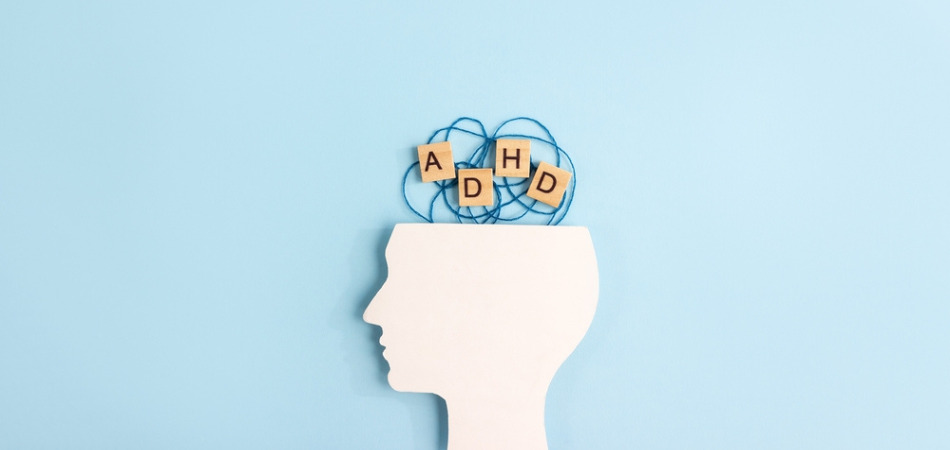
What are the signs of ADHD?
While signs can vary from person to person, there are common themes throughout most people with ADHD. People with ADHD may not experience all of these common themes at once but may relate to a number of them.
These include:
- Difficulty focusing – A person with ADHD consistently struggles to concentrate on tasks that require focus for long periods of time.
- Disorganisation – People with ADHD might frequently lose track of key everyday items, like keys, phones, wallets, purses or handbags.
- Forgetfulness – Forgetting doctors’ appointments or forgetting to complete household tasks are common in those with ADHD.
- Excessive talking – People with ADHD may talk more frequently than others and have a habit of blurting out answers or comments before others are finished speaking. They find it hard to wait their turn in conversation.
- Impulsivity – Acting on impulse is a hallmark sign of ADHD. This might mean grabbing something without asking or even taking unnecessary risks, like spur-of-the-moment purchases or driving too fast.
If you’ve noticed a number of these signs consistently in your life, it may be worth reaching out to a specialist who can evaluate whether or not you may be suffering from ADHD.
How can undiagnosed ADHD affect someone’s life?
Unfortunately, ADHD can affect virtually every aspect of a person’s life if left undiagnosed or untreated.
For example, school or work can become too challenging to deal with, especially if issues like focus or staying organised are causing the problems. This can lead to lower grades in school and difficulties at work.
Studies back this up and have shown that people with ADHD tend to achieve lower educational levels and have more problems with steady employment compared to those without ADHD.
Personal relationships also suffer if the ADHD isn’t managed. For example, forgetfulness or impulsivity might frustrate family members and partners. Research shows that up to 60% of adults with ADHD report serious relationship difficulties, including higher rates of divorce.
ADHD has also been observed to occur alongside many different types of health issues. People with ADHD have higher rates of anxiety, depression, sleep issues and engaging in unhealthy habits like poor diet and a lack of exercise.
But one of the most concerning aspects of ADHD, though, is the strong link between the condition and several types of addictions, which we’ll look at closely in the next section.

ADHD and addiction links
The relationship between addiction and ADHD is complex because so many different factors play a role. Having one condition doesn’t mean the other will automatically develop but ADHD traits like impulsivity and a strong pull toward reward-driven behaviour can increase a person’s vulnerability to addictive patterns. There are also stronger links depending on the type of addiction at play. This is why it helps to look at different addictions and how they interact with ADHD.
- ADHD and alcohol addiction: Research suggests up to 43% of adults with ADHD eventually develop an alcohol use disorder (AUD)
- ADHD and drug addiction: Approximately 21% of individuals with substance use disorders have co-occurring ADHD, a rate significantly higher than in the general population.
- ADHD and food addiction: In a population survey, about 32.7% of people identified with “food addiction” symptoms also exhibited ADHD symptoms
- ADHD and porn addiction: A large-scale study found that ADHD symptom severity correlated with increased problematic pornography use
- ADHD and sex addiction: Compulsive sexual behaviour (“sex addiction”) also shows overlap, as roughly 20% of hypersexual individuals have ADHD
These findings make it clear that although ADHD and addiction frequently appear together, the connection isn’t a simple cause-and-effect relationship. The most effective support tends to be the kind that treats both conditions in an integrated way, giving people a better chance of long-term stability.
Treating addiction in people with ADHD
People who live with both ADHD and addiction usually receive the same core treatments used in standard addiction recovery, such as counselling and structured therapy. The difference is that ADHD can complicate the recovery process, which means treatment needs a more tailored approach.
Research consistently shows that when ADHD and addiction occur together, the addiction can be more severe and sticking with treatment can be harder. This is why many clinicians build ADHD-focused support into the wider addiction plan. Managing impulsivity, staying engaged in therapy and keeping focus during sessions are all important parts of helping someone move through recovery successfully.
ADHD medication can still be used during addiction treatment but the choice of medication becomes more careful. Stimulants can be helpful for ADHD symptoms and, in some cases, even support treatment for certain substance issues but they also carry a risk of misuse. Because of this, non-stimulant options are sometimes preferred. The goal is always to stabilise attention and reduce impulsivity so the person can stay consistent with their recovery work.
The next steps
If you’ve been hesitating to start addiction treatment because you’re worried about how ADHD might affect the process, it’s worth knowing that there’s nothing unusual about your situation. Most treatment plans only need small adjustments to account for ADHD. The real challenge is trying to manage both conditions alone. ADHD already brings its own complications and when addiction is added into the mix, it can feel even harder to stay on track without support.
This is why speaking with a professional addiction treatment provider can make such a difference. They can explain what the next steps look like, how your ADHD will be considered in your treatment plan and what support is available throughout recovery.
If you feel ready to explore your options, reach out to a specialist today. The path to sobriety is within reach and you don’t have to take the first step on your own.
Frequently Asked Questions
(Click here to see works cited)
- National Institute of Mental Health. (n.d.). Attention-Deficit/Hyperactivity Disorder (ADHD). Www.nimh.nih.gov; National Institute of Mental Health. https://www.nimh.nih.gov/health/statistics/attention-deficit-hyperactivity-disorder-adhd
- Stiebahl, S. (2025, July 28). FAQ: ADHD statistics (England). House of Commons Library. https://commonslibrary.parliament.uk/faq-adhd-statistics-england/
- Centers for Disease Control and Prevention. (2024, May 15). Symptoms of ADHD. Attention-Deficit / Hyperactivity Disorder (ADHD); CDC. https://www.cdc.gov/adhd/signs-symptoms/index.html
- French, B., Nalbant, G., Wright, H., Sayal, K., Daley, D., Groom, M. J., Cassidy, S., & Hall, C. L. (2024). The impacts associated with having ADHD: an umbrella review. Frontiers in Psychiatry, 15(15). https://doi.org/10.3389/fpsyt.2024.1343314