


Last Updated:
January 30th, 2026
Heroin addiction treatment
Heroin and morphine continue to claim lives across England and Wales, and thousands more remain caught in the grip of addiction. Trying to recover alone rarely succeeds; the withdrawal can be brutal, and the drug often becomes woven into every part of a person’s life. Professional heroin rehab provides a safe environment to withdraw and the structured support needed to rebuild a life where heroin no longer holds any power.
What is heroin rehab?
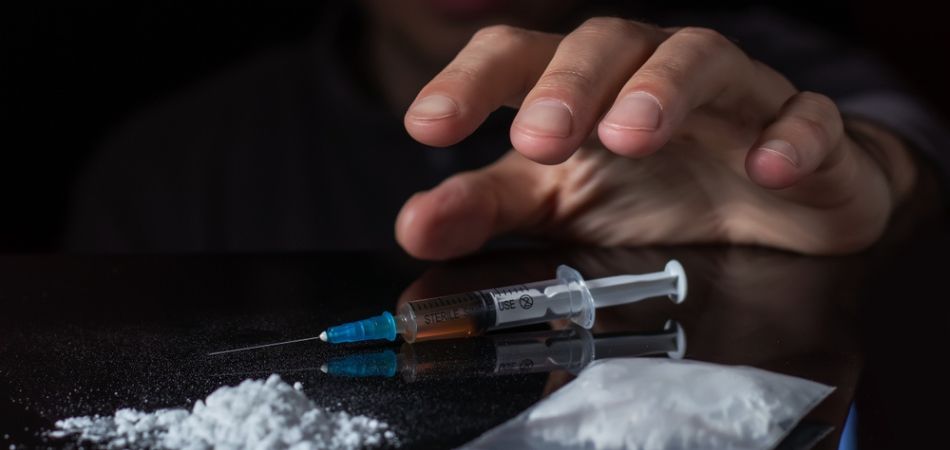
Heroin rehab is specialist treatment for both the physical challenges of withdrawal and the deeper causes of heroin use. Heroin detox comes first, and you may also begin taking buprenorphine or methadone in opioid replacement therapy.
Once the cravings and physical sickness pass, heroin rehab therapy begins examining how heroin was able to take over your life. It will look at your personal history, which situations make you want to use most, and how to handle those situations without heroin. What you learn in rehab will help you stay heroin-free permanently, especially if there is the right aftercare support in place.
When is heroin rehab necessary?
Addiction denial means you believe everything is under control, even when it obviously isn’t. It is one of the biggest barriers to getting help, and requires a deep, honest look at what is happening in your life. Ask yourself these questions:
- Are you using heroin every day?
- Do you feel sick when you can’t get heroin?
- Have you tried stopping but relapsed within days or even hours?
- Are you injecting and sharing needles with others?
- Have you contracted hepatitis or HIV from needle sharing?
- Has heroin cost you jobs, relationships, or your home?
- Are you stealing or doing dishonest things to fund your heroin need?
- Do you know you need to quit, but you just can’t see how?
If these questions hit home, you should get help from professional rehab services. It can be scary at first, but you will be amazed at how quickly things can turn around.

What are the options for heroin rehab?
The UK offers two main routes for heroin rehab:
1. Heroin rehab NHS services
Your GP or local drug service can refer you to free NHS outpatient rehab. This usually means a detox (though you may have to wait weeks for a bed), starting replacement therapy, and weekly counselling and support group access. This can work, but the long wait to start and being in your normal environment during treatment is not ideal for recovery.
2. Private inpatient heroin rehab
Private recovery centres take you in straight away for residential treatment. You stay at the facility throughout your heroin rehab programme, with medical staff managing your detox and therapists working with you daily. Being completely separated from your normal life often gives you the best environment for early recovery.
What therapies are used in heroin rehab?
Choosing between different heroin rehab programmes is a big decision, and one of the most important things to look at is the therapies offered. Every programme differs, but some of the most proven approaches include:
What happens in a typical day in heroin rehab?
A typical day in inpatient heroin rehab is structured so you know what’s coming and can bring a little order to your life. You start with breakfast alongside other residents, which gives you some company and a decent meal to begin the day.
From there, the day is a mix of therapy and downtime. You will hopefully have both one-to-one and group sessions, with each helping you learn something new about yourself or recovery. Because those sessions can be tiring, there are regular breaks, and set times for lunch and dinner.
As your time in heroin rehab goes on, more focus is placed on relapse prevention to make the return home less risky. In the evenings, things slow down, and many people read, play games, or just chat before heading to bed to rest for tomorrow.
Life after heroin rehab
Coming to the end of heroin addiction treatment is something to be proud of, but staying off heroin happens one day at a time afterwards. Strong rehab programmes prepare for this. They offer outpatient therapy, often for free for a certain period, alumni meet-ups, and online resources.
For some people, the next step is a sober living home rather than going straight back to their old environment. These are shared houses where everyone is working on their recovery, there are clear rules about substance use, and you have a bit more freedom than rehab but more structure than living completely alone.
You’ll also be encouraged to plug into community support like NA meetings. There is local support across Britain, and many people have been attending meetings successfully for years.
Seek heroin rehab today
We offer free, confidential guidance on heroin treatment, and can explain your options clearly, helping you start treatment quickly. We know how difficult this step feels, and we’re available whenever you’re ready. Contact us today to begin your recovery.
frequently asked questions
(Click here to see works cited)
- “Adult Substance Misuse Treatment Statistics 2023 to 2024: Report.” Office for Health Improvement and Disparities, GOV.UK, 28 Nov. 2024, www.gov.uk/government/statistics/substance-misuse-treatment-for-adults-statistics-2023-to-2024/adult-substance-misuse-treatment-statistics-2023-to-2024-report.
- “Drug Poisoning Deaths Involving Heroin and Morphine in England and Wales.” Statista, www.statista.com/statistics/470888/death-by-heroin-and-morphine-drug-poisoning-in-england-and-wales/.
- “Heroin.” FRANK, www.talktofrank.com/drug/heroin.
- Office for National Statistics. “Deaths Related to Drug Poisoning in England and Wales: 2024 Registrations.” Office for National Statistics, www.ons.gov.uk/peoplepopulationandcommunity/birthsdeathsandmarriages/deaths/bulletins/deathsrelatedtodrugpoisoninginenglandandwales/2024registrations.