


Last Updated:
January 30th, 2026
Monkey dust rehab
Monkey dust, also known as MDPV, has caused serious problems across the UK, particularly in Staffordshire, where it became notorious for triggering violent and unpredictable behaviour. Monkey dust is cheap, widely available, and creates intense paranoia that can make users dangerous to themselves and others. Monkey dust rehab focuses first on keeping you safe and stabilising your mental health, then on therapy that helps you move away from the chaos of monkey dust and build a calmer life.

What is monkey dust rehab?
Monkey dust can push people into very scary states of mind. It can cause strong paranoia and psychosis, where you might be convinced you’re being followed or attacked. This can lead to unpredictable and sometimes violent behaviour, or desperate attempts to escape from things that aren’t really there. With addiction, however, even after these bad experiences, you keep taking monkey dust again and again.
In rehab, the first job is to help your body clear all monkey dust through a planned and supervised detox. You may also undergo a proper psychiatric assessment and, where needed, medication for paranoia or other symptoms. Staff will monitor you closely, as these effects can last well beyond the last time you used. Once your mental health has stabilised, you will begin therapy, exploring what was going on in your life when you started using monkey dust, what tends to trigger urges now, and how to respond to relapse risks before things get out of hand.
When is monkey dust rehab necessary?
One of the hardest things about monkey dust is that it clouds your judgment, so you think everything is okay, even after experiences that would scare anyone else. Ask yourself these questions because they can help you break through addiction denial:
- Have you had episodes on monkey dust where you were convinced people were out to get you or trying to hurt you?
- Do you get aggressive or unpredictable when you’re high, even with people you care about?
- Has there been at least one time when the police or paramedics were involved because of your behaviour?
- Do you keep redosing throughout the day because the buzz disappears so quickly?
- Have you got into dangerous places or situations while on monkey dust?
- Is monkey dust eating into money that should be going on food, housing, bills, or your children?
- Have family members or friends said they don’t feel safe around you when you’ve used?
- Are you using monkey dust in secret or on your own?
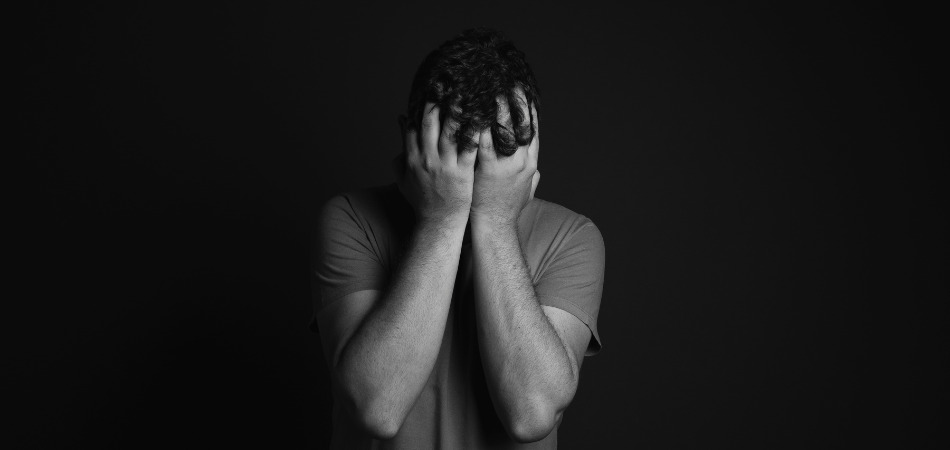
Answering “yes” to even one or two of these isn’t a small thing. It means your use has crossed a line, and drug rehab and other professional support have become urgent.
What are the options for monkey dust rehab?
When you’re ready to get off monkey dust, the first step is choosing whether NHS support or private inpatient rehab is the better fit for you. Here is what both options involve:
1. Monkey dust rehab NHS services
NHS community drug teams offer free support, potentially including psychiatric assessment, drug detox, counselling sessions, and connection to local support and recovery groups. Your GP can provide the initial referral, but NHS residential beds remain scarce, and waiting periods between appointments mean you could be managing alone most of the time.
2. Private inpatient monkey dust rehab
Private residential centres admit you immediately into specialist facilities, where you may receive psychiatric monitoring during the critical period when paranoia and hallucinations may continue. Daily therapy sessions address monkey dust addiction while you’re physically separated from the drug supply and the environments where you normally use. Being in a controlled setting matters particularly with monkey dust because the paranoia can make people dangerous when triggered.
What therapies are used in monkey dust rehab?
Monkey dust causes severe psychiatric symptoms that require specialised treatment approaches alongside standard recovery therapy. Some of the most important therapies that rehab programmes should include are:
A typical day in monkey dust rehab
Inpatient monkey dust treatment creates a structure that contrasts sharply with the chaos that the drug causes. Your day begins at a fixed time with breakfast shared among residents.
Morning sessions may involve private counselling appointments or group meetings, with a shared lunch before afternoon sessions begin. These may include more therapy, holistic treatment approaches, or relapse prevention planning as your discharge date approaches.
Evenings after dinner usually provide personal time, so you can rest, get enough quality sleep, and slowly begin healing.
Monkey dust addiction relapse prevention
Once you leave residential care, you are likely to pass places, people, and streets that remind you of using. Continued counselling gives you a space to talk honestly about cravings, mood swings, and any lingering paranoia so that things don’t slip out of control.
Many centres encourage you to keep going with Narcotics Anonymous once treatment ends, and also have alumni networks and events. For some, the safest next step is not going straight back into their old home environment. A halfway house or other sober living option can offer routine, house rules, and peer support while you’re still finding your feet.
Follow-up mental health care may also be needed, as monkey dust can leave ongoing anxiety, depression, and psychotic symptoms that need monitoring and support.
Seek monkey dust rehab today
If monkey dust is putting you or someone you love in danger, we can point you toward the treatment you need. Everything you share stays private, and our advice is 100% free. Contact us to learn more about recovery and the treatment available.
frequently asked questions
(Click here to see works cited)
- “Adult Substance Misuse Treatment Statistics 2023 to 2024: Report.” Office for Health Improvement and Disparities, GOV.UK, 28 Nov. 2024, www.gov.uk/government/statistics/substance-misuse-treatment-for-adults-statistics-2023-to-2024/adult-substance-misuse-treatment-statistics-2023-to-2024-report.
- “Cathinones.” FRANK, www.talktofrank.com/drug/cathinones.
- McIntyre, Alex. “Staffordshire Monkey Dust Problem ‘Could Spread and Cause Havoc.’” BBC News, BBC, 19 Feb. 2025, www.bbc.com/news/articles/cn52rnkqr55o.
- Monkey Dust Factsheet. EDAS Reach Young People’s Drug & Alcohol Service, n.d., https://edasuk.org/files/3816/8502/2801/Monkey_Dust_Factsheet.pdf.