


Nutrition and addiction

Eating properly in recovery helps fix the physical damage that drug and alcohol addiction cause. What you eat changes how you feel and how well you handle cravings, and while food isn’t a cure for addiction, it can help a lot with successful recovery. Years of using drugs or drinking can leave your body in a really bad shape. Your liver and stomach may be damaged, and you’re probably seriously low on vitamins and other essentials. A nutritionist can help you get healthy through food and teach you eating habits that help you stay substance-free.
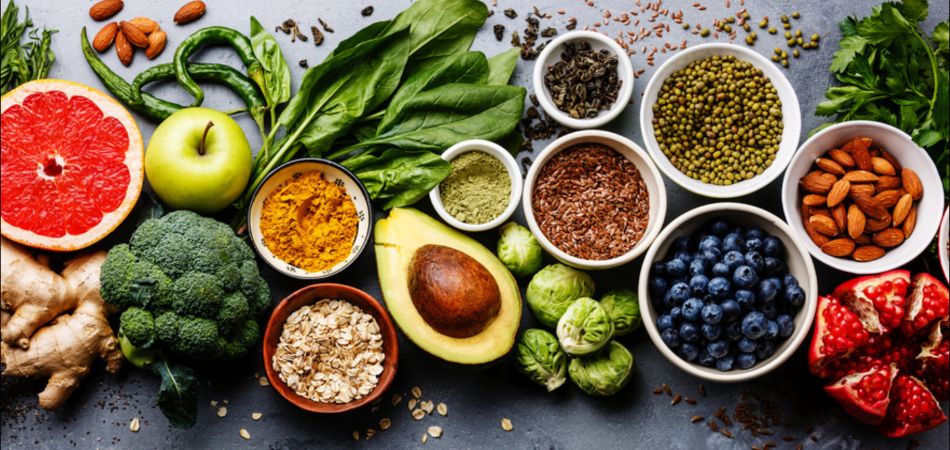
nutrition foods for addiction

How does addiction affect nutrition?

Substance use disrupts eating in multiple ways. Alcohol provides empty calories that replace actual food. Opioids cause nausea and constipation, which make eating unpleasant. Cannabis increases your appetite, but often for quick and easy junk food.

Mental health problems often accompany addiction, which can disrupt normal eating patterns. Financial problems from drinking every day or funding a drug addiction can also mean choosing to drink or use drugs over food.

The substances themselves can also interfere with nutrient absorption. Alcohol prevents your body from absorbing thiamine, folate, and vitamin B12. Stimulants can accelerate metabolism, burning through nutrients faster than you replace them. Soon, your body can become severely deficient.

What is the importance of nutrition in recovery?

Different substances cause different nutritional problems, but all leave your body in need of repair. Some of the biggest benefits of nutrition in recovery include:

Physical healing
Alcohol damages your liver, stomach lining, and pancreas. Stimulants strain your heart and deplete minerals. Opioids slow digestion and interfere with how your body absorbs nutrients. While these physical health issues are usually reversible, your body needs specific vitamins and minerals to repair this damage.

Protein rebuilds damaged tissue. B vitamins support nerve function that drugs have disrupted. Vitamin C and zinc help your immune system recover. Calcium and magnesium calm your stress response and improve sleep.

Mental health and mood
Your brain chemistry can also be all out of balance after prolonged substance use. The brain chemicals that regulate mood, like serotonin and dopamine, depend on nutrients from food. Protein provides amino acids your brain uses to make these chemicals. Complex carbohydrates help stabilise blood sugar, which directly affects mood swings.

When you’re not eating properly, depression and anxiety worsen, and your concentration suffers. Proper meals help your brain rebalance naturally, and make staying drug and alcohol-free easier than with medication alone.

Increased energy
Early recovery takes all your energy as your body is healing, and therapy can be incredibly draining. Regular, balanced meals prevent the energy crashes that make you vulnerable to exhaustion-triggered relapse.
Stabilised weight
Some people lose dangerous amounts of weight while using drugs, or gain a lot because of drinking or inactivity. Balanced eating can help you reach a healthy weight naturally, which is important for your overall health.

What is a healthy diet for drug addiction treatment and alcohol recovery?

Building healthy eating habits in recovery doesn’t require complicated meal plans or expensive ingredients. Focus on these core principles to give your body what it needs:

Start with three meals daily
Skipping meals destabilises blood sugar and mood. Even if you’re not hungry, eating on schedule helps your body re-establish normal rhythms.
Include protein at each meal
Eggs, fish, chicken, beans, lentils, tofu, or Greek yoghurt all provide amino acids for neurotransmitter production. Protein also keeps you full longer and prevents blood sugar spikes and crashes.
Choose whole grains over refined carbohydrates
Brown rice, oats, and whole wheat bread provide steady energy rather than quick spikes and crashes. Save white bread, pasta, and sugary foods for occasional treats rather than staples.
Eat plenty of vegetables
Vegetables provide vitamins, minerals, and fibre that support healing. Leafy greens offer folate and iron, and colourful vegetables provide antioxidants that reduce inflammation.
Don’t fear healthy fats
Olive oil, nuts, seeds, avocado, and fatty fish provide the omega-3 fatty acids your brain needs to start healing. These fats also help you absorb fat-soluble vitamins.
Stay hydrated
Dehydration worsens fatigue, headaches, withdrawal symptoms, and concentration problems. Water and herbal tea can both help, but limit caffeine and sugary drinks.

Common nutrition challenges during recovery

Early recovery brings eating difficulties that catch many people off guard. Recognising these as normal parts of the process helps you manage them as your body adjusts:

 

Appetite changes
Some people become ravenous as their body tries to catch up, but others have no appetite and have to force themselves to eat. Both extremes usually stabilise within a couple of weeks as your system adjusts.
Digestive problems
During withdrawal, you may feel nauseous, or experience diarrhoea or constipation. Starting with bland foods like rice or bananas helps while your digestive system heals.
Sugar cravings
These often replace drug cravings as your brain is seeking the pleasure rush it’s now missing. Some sugar is fine, but eating sweets constantly prevents your brain from adjusting to normal dopamine levels. Eat fruit instead because it provides sweetness with fibre that slows absorption.
Lack of cooking skills
If you’ve never cooked or haven’t cooked sober in years, preparing meals can feel overwhelming. Starting simple with scrambled eggs and basic pasta can build your confidence before attempting complicated dishes.
Problems with taste and smell
These sensory issues can make eating difficult for some people in early recovery, but symptoms usually improve with time. Finding a few tolerable foods and eating those in the meantime can keep you going while your senses return to normal.

nutriton and addiction treatment

What does nutrition support in rehab involve?

Effective rehab programmes employ nutrition professionals to plan for all your dietary needs. A qualified dietitian can assess your specific needs, accounting for food allergies, cultural preferences, health conditions, and personal recovery goals. They may also recommend supplements if you have severe deficiencies and teach practical skills like meal planning and shopping on a budget.

Nutrition support also fits with other treatments. If you’re doing CBT, stable blood sugar helps you think clearly and apply techniques. If you’re in group sessions, proper meals give you energy to participate. If you’re taking medication, adequate food helps it work effectively and reduces side effects.

In inpatient drug and alcohol rehab centres, planned mealtimes provide structure, and eating together builds community. When choosing treatment, always ask centres about their nutrition services.

Next steps

If you want alcohol or drug rehab that addresses the physical side of recovery as seriously as the psychological aspects, look for programmes with strong nutrition components. Recovery.org can explain which programmes employ qualified nutritionists and integrate healthy eating throughout treatment. Contact us today to understand your choices. Proper nutrition support eases recovery and helps it last.

Frequently Asked Questions

What role does nutrition play in recovery?
Nutrition repairs physical damage from substance use, stabilises mood and energy, reduces cravings, and supports brain chemistry rebalancing. Proper eating can make other treatments more effective, prevent the discomfort of withdrawal and reduce relapse risk during early recovery.
What are the four R’s of recovery nutrition?
Four key areas guide nutrition in addiction recovery, which are adapted from sports nutrition principles: Rehydrate (replacing fluids lost through substance use), Replenish (restoring depleted vitamins and minerals), Rebuild (repairing damaged tissues with protein), and Rebalance (stabilising blood sugar and brain chemistry through regular, balanced meals). Together, these can help address the physical toll that addiction has taken on your body.
Can healthy eating influence my mindset during rehab?
Yes. What you eat directly affects mood, concentration, mental health, and stress levels. Stable blood sugar prevents mood swings and irritability. Adequate protein provides the amino acids your brain needs for mood-regulating chemicals that control emotions. Better nutrition means clearer thinking, improved sleep, and greater emotional stability, all of which are crucial for recovery work.

(Click here to see works cited)

  • Jeynes, Karly D., and E. Leigh Gibson. “The importance of nutrition in aiding recovery from substance use disorders: A review.” Drug and Alcohol Dependence, vol. 179, 2017, pp. 229-239, https://pubmed.ncbi.nlm.nih.gov/28806640/
  • Santolaria, F., Pérez-Manzano, J. L., Milena, A., González-Reimers, E., Gómez-Rodríguez, M. A., Martínez-Riera, A., Alemán-Valls, M. R., & de la Vega-Prieto, M. J. (2000). Nutritional assessment in alcoholic patients. Its relationship with alcoholic intake, feeding habits, organic complications and social problems. Drug and alcohol dependence, 59(3), 295–304. https://doi.org/10.1016/s0376-8716(99)00129-5